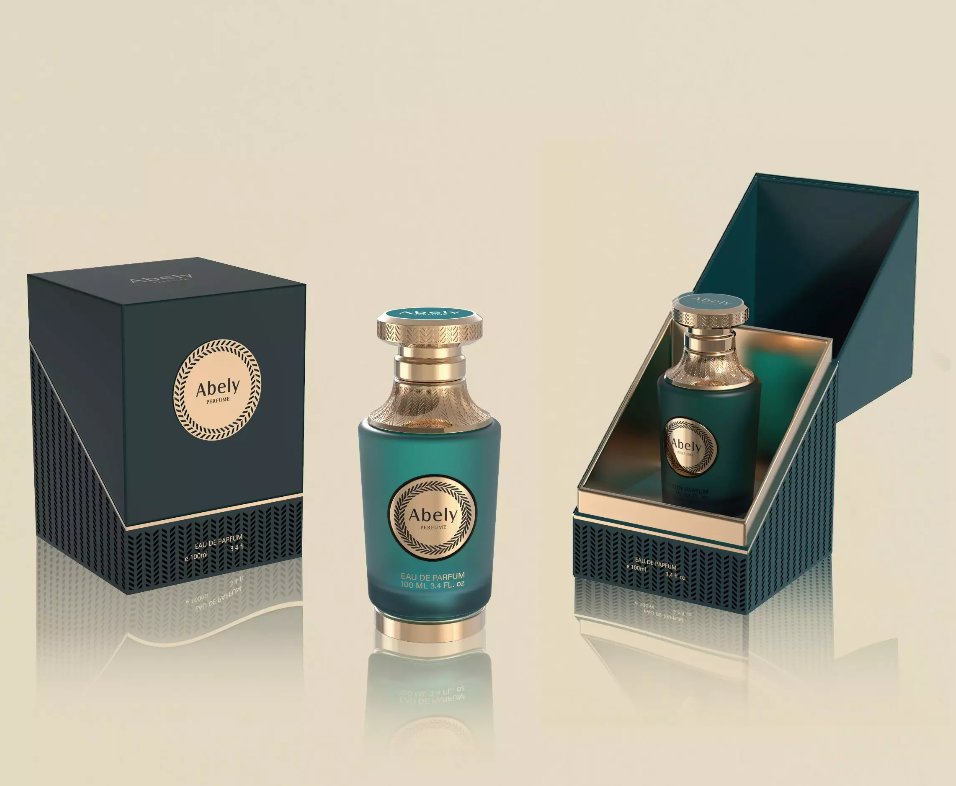
Why the bottle should be your first thought
Look, if you’re building a fragrance brand, you gotta think like a buyer — not just a creator. You want people to grab, Instagram, and remember. That’s where a premium perfume bottle becomes more than packaging; it’s part of the story. I mean, Paris vibes and classic launches like Chanel No.5 (1921) taught the industry that design sells as much as the juice inside — so design sharp or get ghosted.
What customers actually care about — user-first choices
People sniff with their eyes first. Keep it simple: scale, weight, cap action, and how the label sits on curved glass. If your target’s indie-cool, go matte or frosted. If it’s luxe, heavier glass and custom metal caps matter. And yeah — consider sustainable options too; shoppers fronting eco-cred is real. Also peep examples of perfumes with cool bottles to see what reads premium in real life.
Design trade-offs: what you’ll wrestle with
Here’s the deal — you can chase an iconic shape, or you can chase cost. Rarely do you get both at launch. Expect to balance:
– Aesthetics vs. manufacturability. Complex molds = higher MOQ and tooling fees. – Weight vs. shipping. Heavy bottles scream luxe but kill margins on air freight. – Custom caps vs. stock sprayers. Caps are the personality; sprayers are functional.
Common mistakes brands keep making — don’t be one of them
Don’t over-design for the sake of flex. Too many founders lock into a bespoke cap or shape without prototyping — then realize it leaks, chips, or costs triple. Test small runs. Also, avoid assuming your online photos will translate in-store — glass reflects differently under retail lighting. — Trust me, see it in person first.
How to vet wholesale partners and samples
When you talk suppliers, ask for these specifics and get them on paper: sample lead time, tooling cost breakdown, MOQ tiers, and QC steps. If they won’t share a production timeline or a past client reference, walk. Look for partners who offer iterative sampling (3D mock to proto to pre-production) so you can tweak weight, finish, and label fit without burning cash.
Alternatives and quick comparisons
There’s no one-size-fits-all. Quick map: stock bottles = fastest & cheapest; modified stock = middle ground; fully custom = slowest & priciest but most brand-defining. If you’re testing scent families, start with modified stock. If your brand promise is craftsmanship or jewel-like design, commit to custom tooling.
Advisory — 3 golden rules for picking the right strategy
1) Unit Economics First — calculate landed cost per bottle at realistic volumes before committing to tooling. Margin math decides feasibility. 2) Prototype Until It Feels Right — get tactile feedback from 10+ people in your target demo. The throat grab, the cap click, the label peel — those tiny feels matter. 3) Scale with Milestones — set MOQ-triggered roadmap (e.g., 500 → 2,000 → 10,000 units) so you can upgrade caps or finishes as sales justify it.
Wrap-up and where Abely fits
Bottom line: the bottle isn’t just a container — it’s your first handshake. Start user-first, prototype often, and pick partners that let you iterate without nuking cash. That’s exactly the gap Abely helps close by offering thoughtful wholesale options and sensible sample paths that respect both design ambition and unit economics — real-world practicality that actually ships.
Final thought — build smart, look sharp, sell better. –