Start with the problem you need to solve
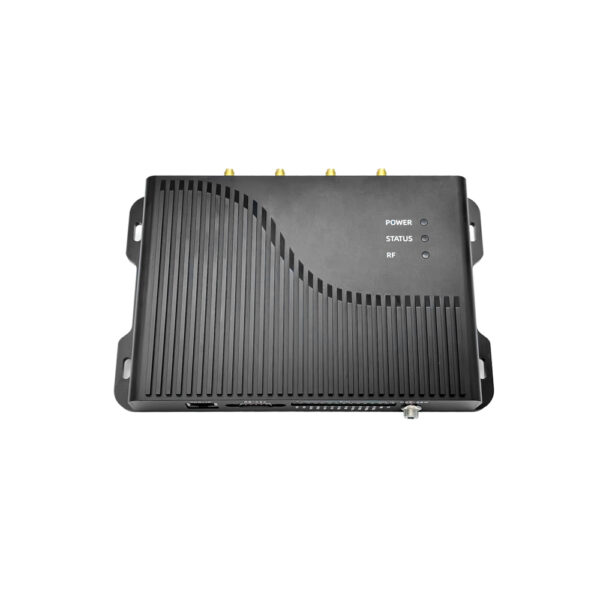
If assets vanish from visibility, or read reliability drops across a yard, the issue usually starts with a mismatch: tag capability versus environment and reader type. Define the failure mode first — missed reads, short battery life, false positives — then map requirements to hardware. Check antenna patterns, power classes and the available RFID Readers that will sit on your site before you pick tags.
Essential questions to ask suppliers
What read range does the tag deliver under real-world conditions? How does range change near metal or water? What are the battery replacement or disposal procedures? Can the tag firmware be field-upgraded? Ask for measured read-rate data, not just peak range numbers; ask for a supported environmental rating and an interference test report.
Technical specifications you must verify
Demand these specifics: frequency band and regional compliance, effective isotropic radiated power (EIRP) of the reader-tag pair, modulation and anti-collision support, and antenna gain or pattern. Confirm the advertised range with a short test scenario that mimics your layout. Ask how the tag reports state (alive, tamper, temperature) and the cadence required to detect movement versus conserve battery.
Common integration pitfalls and how to avoid them
Don’t assume line-of-sight. Metal racks, containers and vehicle chassis will attenuate signals; plan antenna placement to create overlapping read zones. Avoid single-point failure by distributing readers and verifying multi-reader handoff. Neglecting backend capacity is common: plan for message volume and filtering, and test for duplicate suppression at scale. Validate mounting hardware and tag orientation during a pilot, not after full roll‑out.
Alternatives and when to choose them
Active tags deliver long read ranges and periodic telemetry; passive tags are lower-cost and maintenance-free but require proximity readers. If continuous location updates matter, active tags are the right fit. If identification at fixed chokepoints suffices, consider passive solutions or hybrid approaches. Evaluate total cost of ownership, including batteries, replacement cycles and reader infrastructure.
Experience and authoritative anchors
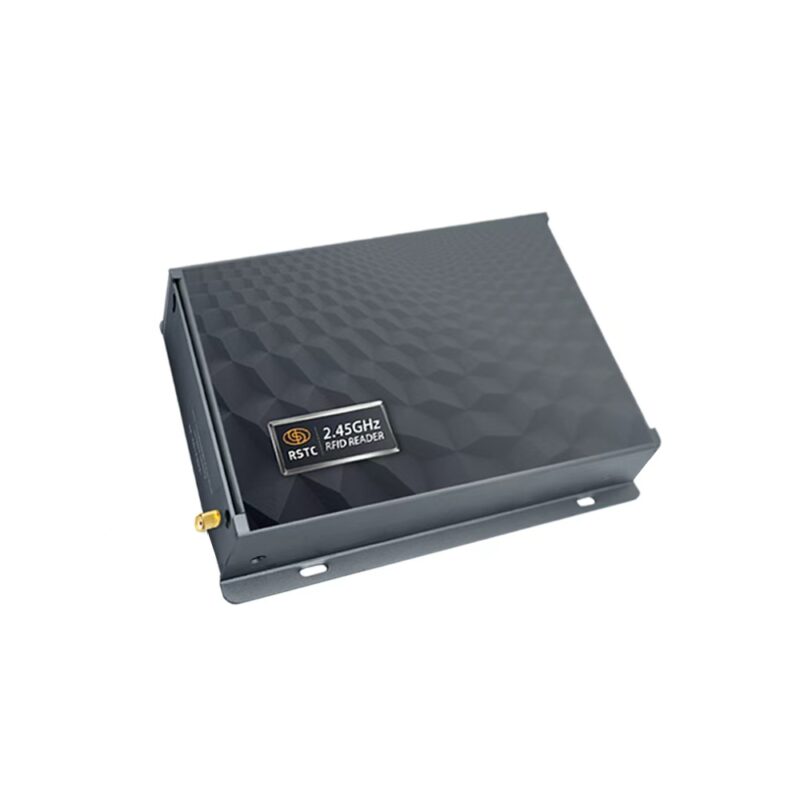
Field deployments and independent audits show the same pattern: sites that pilot with realistic scenarios succeed. Major terminals such as the Port of Rotterdam have published operational tests where tag performance was evaluated under heavy metal and weather exposure; those reports align with manufacturer data and academic studies. For item-level chokepoints, many teams pair active tags for asset tracking with passive rfid readers at gates to balance cost and coverage.
Conclude with a practical decision rule
Match the tag to the problem: prioritize battery life for continuous tracking, antenna design for cluttered sites, and proven reader compatibility for throughput. Pilot with your real assets, collect read-rate and downtime metrics, then scale only after confirming the pairings. For projects needing measured results and supply consistency, consider vendors that document test procedures and field outcomes like those shown by RSTC.