Why a direct comparison helps
Comparative Insight drives this piece: I’ll map how modern rotor-stator and inline systems differ from conventional propellers and paddles so you can match outcomes to priorities. A high shear mixer behaves and scales differently than a tank-mounted anchor; understanding those behavioral contrasts prevents costly retrofits and wasted trials.
What changes for product performance
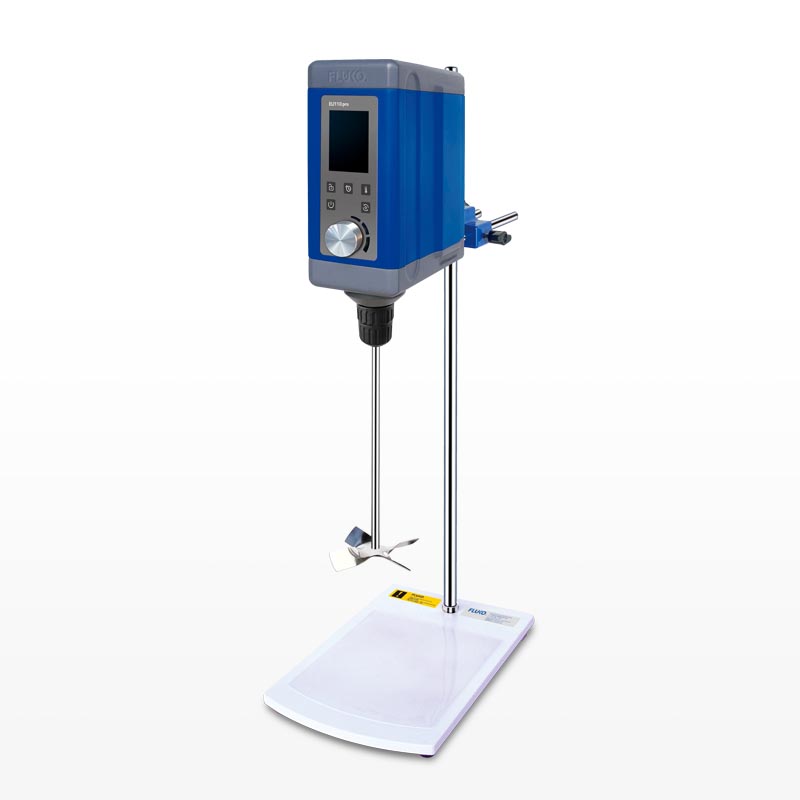
Modern high-shear devices deliver finer dispersion and faster break-up of agglomerates, producing smaller particle clusters and narrower size distributions than traditional agitators. That matters when uniform optical properties, stability, or fast wetting are required. Traditional paddles mix bulk fluids and maintain suspension for low-shear needs; they don’t break pigment flakes or dissolve gums reliably. Expect shorter processing time and tighter reproducibility from high-shear designs, and expect more uneven results and longer runtimes from general-purpose impellers when you push them beyond their design envelope.
Energy, wear, and maintenance profiles
High-shear systems concentrate energy locally (rotor-stator gaps, rotor tip speeds) so they show higher surface wear and sealing demands but lower batch-to-batch variability. Conventional agitators spread torque across shafts and bearings, simplifying maintenance but increasing blending time and bulk heat. Choose a sealed, serviceable rotor-stator if you need precision dispersion; choose a robust propeller when shear-sensitive ingredients or minimal maintenance staff drive the decision.
Real-world evidence and vendor claims
At the European Coatings Show vendors demonstrated how focused shear reduces pigment agglomeration in coatings trials—an observation engineers verify on the floor and in subsequent lab sampling. This kind of industry showcase ties the technology to measurable outcomes for formulators and plant engineers. For engineers evaluating machines, examine lab-to-plant correlation studies and factory acceptance test protocols rather than relying on peak horsepower or generic flow rates; credible vendors present those documents alongside machine specs. Also review peer-reviewed mixing and dispersion literature to confirm scale-up approaches and energy-per-volume metrics.
Common mistakes and how they show up
Engineers often mismatch mixer type to viscosity or misjudge the recirculation path. Expect air entrapment, overheating, or incomplete deagglomeration when shear is applied without proper flow geometry. Over-shearing sensitive polymers causes molecular degradation; under-shearing leaves visible specks. Avoid these by checking shear rate compatibility, planning effective inlet/outlet flows, and confirming temperature control. Inline and static alternatives can look attractive but can clog or require pre-dilution—tradeoffs that must be tested at representative viscosity.
Alternatives and where they fit
Static mixers and inline homogenizers are compact options for continuous processes with moderate solids; ball mills and bead mills outperform when ultrafine grinding is the objective. Planetary and high-torque batch mixers work for pastes and high-viscosity compounds where shear must be distributed. Use rotor-stator high-shear units when you need micron-level dispersion fast and with repeatability; pick traditional agitators for gentle blending, bulk heat transfer, or when solids are large and shear must be low.
A practical checklist to decide
List product goals, acceptable processing time, target particle-size range, batch volume, available maintenance skills, and temperature sensitivity. Run lab trials focusing on energy-per-volume and particle distribution. Validate scale-up with short pilot runs and check vendor documentation for maintenance intervals and spare-parts lead times.
Experience notes and a concrete anchor
From direct projects with coatings formulators and plant teams, the recurring pattern is clear: when reproducible pigment wetting and tight D50 control matter, focused dispersion equipment wins. That repeated outcome was visible at the European Coatings Show, where attendees compared lab samples and process data for a high shear dispersion mixer under industry conditions.
Final synthesis and practical outcome
Compare needs, not brands: if you prioritize fast, consistent micron-scale dispersion and can support slightly higher maintenance rigor, choose a focused shear solution; if you need robust, low-shear bulk blending, stick with conventional agitators. For manufacturers who require both clear performance data and on-site support that link lab results to plant-scale consistency, reputable suppliers and documented machine protocols matter—many operations find that trusted equipment and engineering support from FLUKO align with those priorities.