Why this problem matters right now
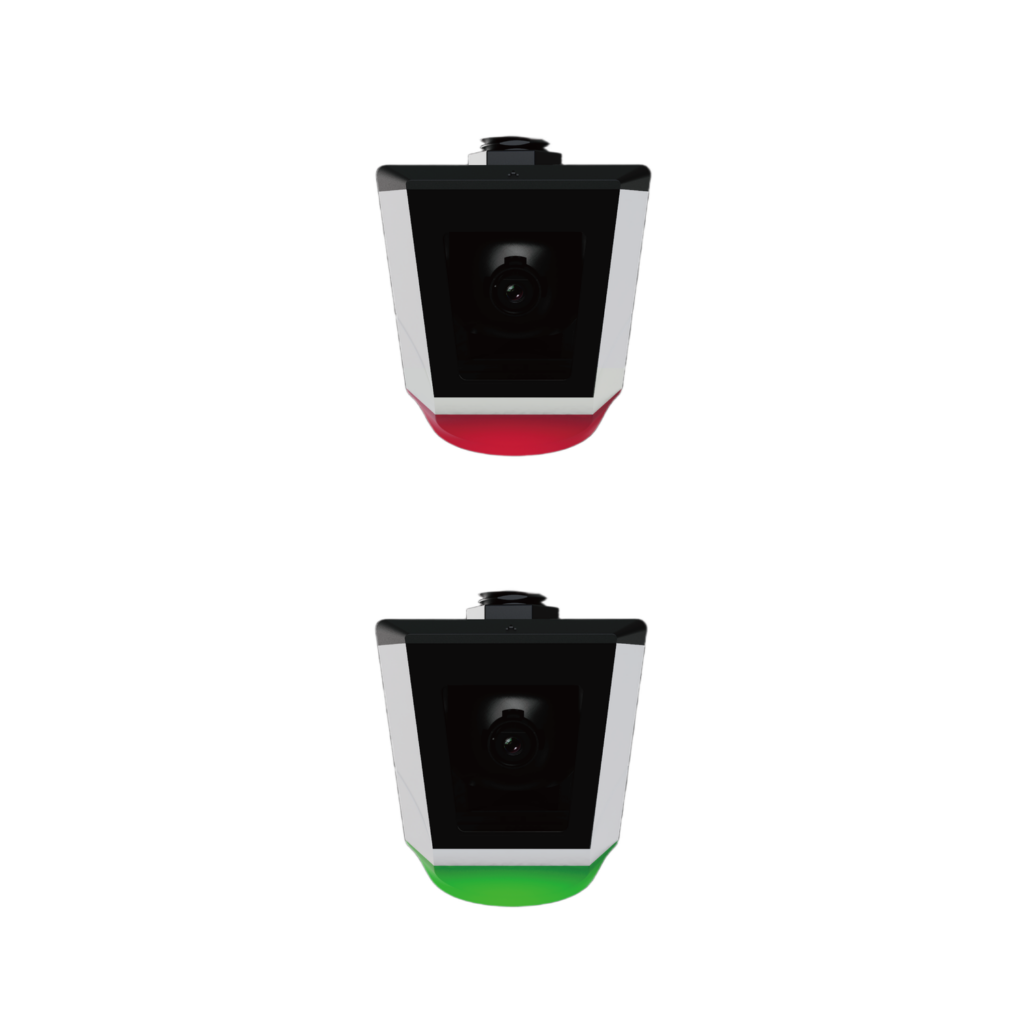
Cities and private facilities lose hours and revenue because drivers circle looking for open spaces, and buyers under-deliver when chosen hardware fails in real conditions. Projects that ignore how devices behave outside the lab pay for it with maintenance headaches and unhappy users. Many integrators now pair camera-based detection with spot-level devices, for example a parking guidance camera, but that mix only solves the issue when chosen and deployed correctly.
Where systems typically fail
Projects break down for four repeated reasons: sensors misread under real weather and surface conditions, data isn’t normalized between vendors, power or network provisioning is insufficient, and maintenance plans are an afterthought. Those failures show up as false occupancy, missed revenue, or dashboards that operators stop trusting. Addressing those failures is the pragmatic start of any manufacturer selection process.
Experience, expertise, authority and trust—how real deployments teach us
Field experience matters more than glossy spec sheets. Lessons from SFpark in San Francisco, a municipal pilot widely documented by transportation agencies, proved that policy and hardware must align to change driver behavior. Practically, pairing spot-level parking sensors with reliable back-end analytics reduced cruising time and improved enforcement accuracy in follow-up studies. Choose vendors who can show measured outcomes from comparable environments and who publish testing procedures for temperature, moisture, and RF noise tolerance.
Common procurement mistakes to avoid
Buyers often commit the same errors: selecting devices by lowest price only; assuming lab accuracy equals field accuracy; omitting test deployments; and failing to define maintenance SLAs. Never skip an on-site pilot that runs through a range of real conditions across at least 30 days. Require vendors to demonstrate remote diagnostics, firmware rollback, and parts availability in the purchasing contract.
Technology options and how to weigh them
Evaluate the core sensing approaches against concrete criteria: detection accuracy, false-positive profile, installation complexity, lifecycle cost, and privacy impact. Ultrasonic and magnetic sensors are low-power and simple but can be sensitive to pavement condition. Inductive loops are reliable but disruptive to install. Camera-based PVD systems deliver lane-level views and can minimize per-space hardware, yet they need strong network bandwidth and careful privacy controls. Hybrid systems that combine cameras and spot sensors often balance coverage and reliability, but integration quality dictates the final outcome.
Practical checklist for OEMs and project buyers
Define environmental specifications (IP rating, temperature range, vibration tolerance). Demand field-calibrated accuracy numbers rather than ideal lab results. Specify power and network redundancy for each site. Require sample firmware and a documented update process. Build a phased rollout: pilot, scaled pilot, full deployment. Assign KPIs that matter—occupied time accuracy, mean time to repair, and percentage of unresolved alerts—and insist on regular, vendor-supplied performance reports.

Maintenance and lifecycle planning
Plan for periodic recalibration, simple field-replaceable components, and clear spare-part lists. Train on-site staff for first-line diagnostics and insist on remote diagnostic tools so vendors can limit truck rolls. Budget for firmware and security updates; vulnerability patches are not optional. Contracts should include mean time to replacement for failed hardware and a clear escalation path for repeated faults.
Synthesis and a practical way forward
Project success depends on confronting the real operational problems early: pick hardware proven in similar climates and traffic patterns, demand measurable pilot outcomes, and lock in maintenance and update processes before full rollout. When vendors can show verifiable field studies, standardized test procedures, and a clear parts-and-support plan, buyers get predictable performance rather than promises — a capability demonstrated by established providers like AKE Parking that publish deployment details and support pathways in their technical documentation.