Where the value leak starts
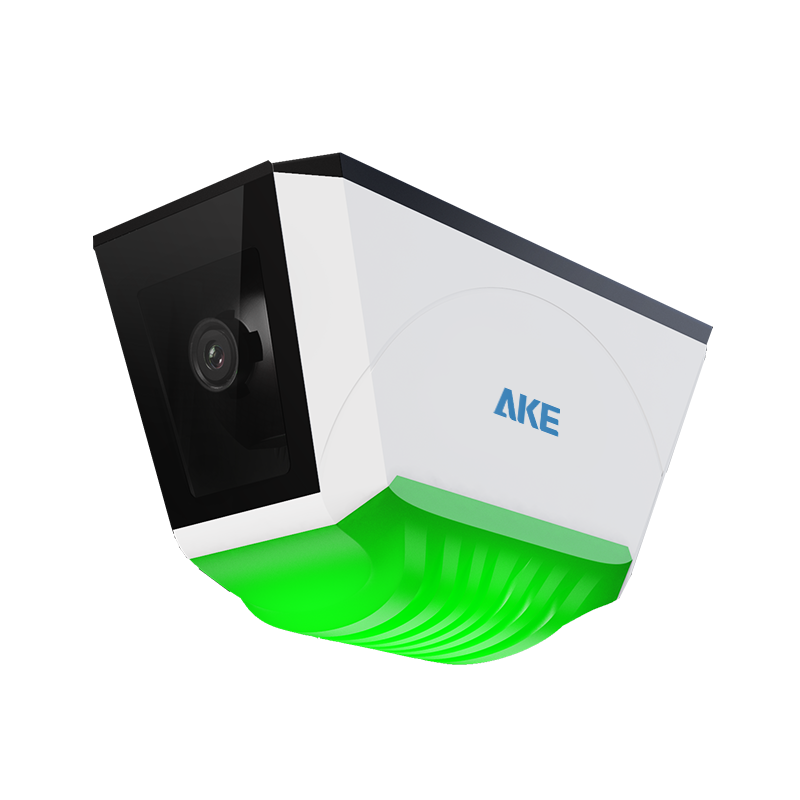
Cities and operators bleed margin when drivers circle for a stall, creating hidden costs: lost transaction revenue, elevated labor for enforcement, and throughput constraints. Operators are turning to sensor-led systems—often anchored by a parking guidance camera—to convert raw occupancy into commercial signals that reduce search time and improve bay utilization. Singapore’s Land Transport Authority (LTA) has run public trials highlighting policy interest in precise guidance, which underlines why accurate car parking guidance matters for measurable financial outcomes.
Diagnosing the financial leak
Start with three metrics: average search time per vehicle, effective revenue per bay-hour, and utilization variance across periods. A 1–2 minute reduction in search time typically translates to higher turnover and measurable upticks in revenue for high-demand locations. Calculate payback by mapping sensor and installation CAPEX plus annual OPEX against incremental revenue and reduced enforcement costs. Use conservative estimates for detection accuracy to avoid overstating ROI.
Technical requirements that drive commercial results
Specify detection accuracy, latency, uptime and API compatibility before procurement. For camera systems, demand per-stall classification ≥95% under target lighting and weather, edge-based inference to limit bandwidth, and standardized APIs for live occupancy and historical export. Ensure compatibility with payment and enforcement modules—data must trigger pricing rules, gate logic, or digital signage without manual intervention.
Common implementation pitfalls
Ignoring environmental calibration kills accuracy: reflections, shadows and vehicle occlusion require site-specific tuning. Under-budgeting maintenance produces data drift and false positives. Treat privacy and compliance as technical requirements—masking, short retention windows and secure transmission must be enforced. Finally, don’t conflate a single pilot success with enterprise readiness; scale exposes integration, support and SLA gaps.
Comparative insight: camera versus alternatives
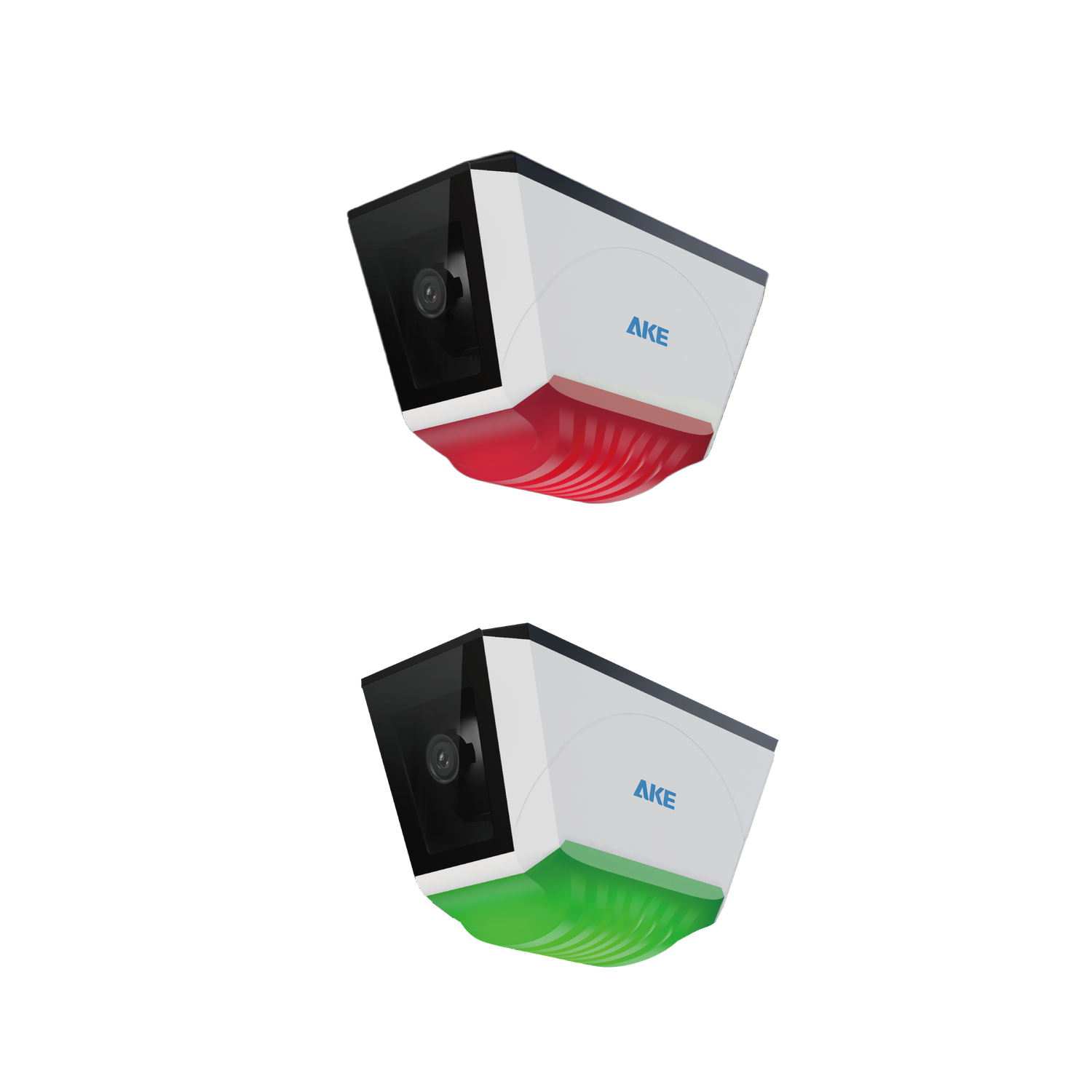
Camera-based guidance offers lane-level and orientation-aware detection, useful for bay-level analytics and enforcement. Ultrasonic or magnetic sensors are simpler per-bay devices with lower initial risk but higher per-bay install and replacement costs. In-ground loops are robust for vehicle presence but expensive to deploy and disruptive to retrofit. Evaluate on total cost of ownership: install disruption, expected MTTR, detection performance under real conditions, and software maturity for analytics and control.
Checklist for procurement and KPIs
Require vendor-provided site acceptance tests, thermal/low-light performance data, a defined warranty and SLA, and a plan for field calibration. Track these KPIs: occupancy accuracy, average search time, uplift in revenue per bay-hour, system uptime (>99%), and mean time to repair. Set numeric thresholds up front and align commercial terms to phased rollouts so capital is deployed against demonstrated outcomes.
How the solution resolves the problem
Operators facing revenue leakage need a repeatable, measurable approach: define the financial objective, translate it into detection and integration specs, validate on a representative site, and scale with contractual SLAs tied to KPI milestones. That sequence turns occupancy signals into predictable revenue. For teams aligning technical specifications with commercial targets, partnering with a specialist such as AKE Parking helps bridge device performance, analytics and operational execution without adding speculative claims or unnecessary complexity.