The buying problem
Many buyers start with price and hope the rest follows, but test rigs that fail to reproduce field conditions cost time and reputation. You need machines that match your coating type, substrate, and test protocol—salt spray, abrasion, gloss, viscosity—without surprises. For project-level custom specs, consider talking with firms that design custom testing equipment so the machine is built around the procedures you actually run, not around a sales brochure.
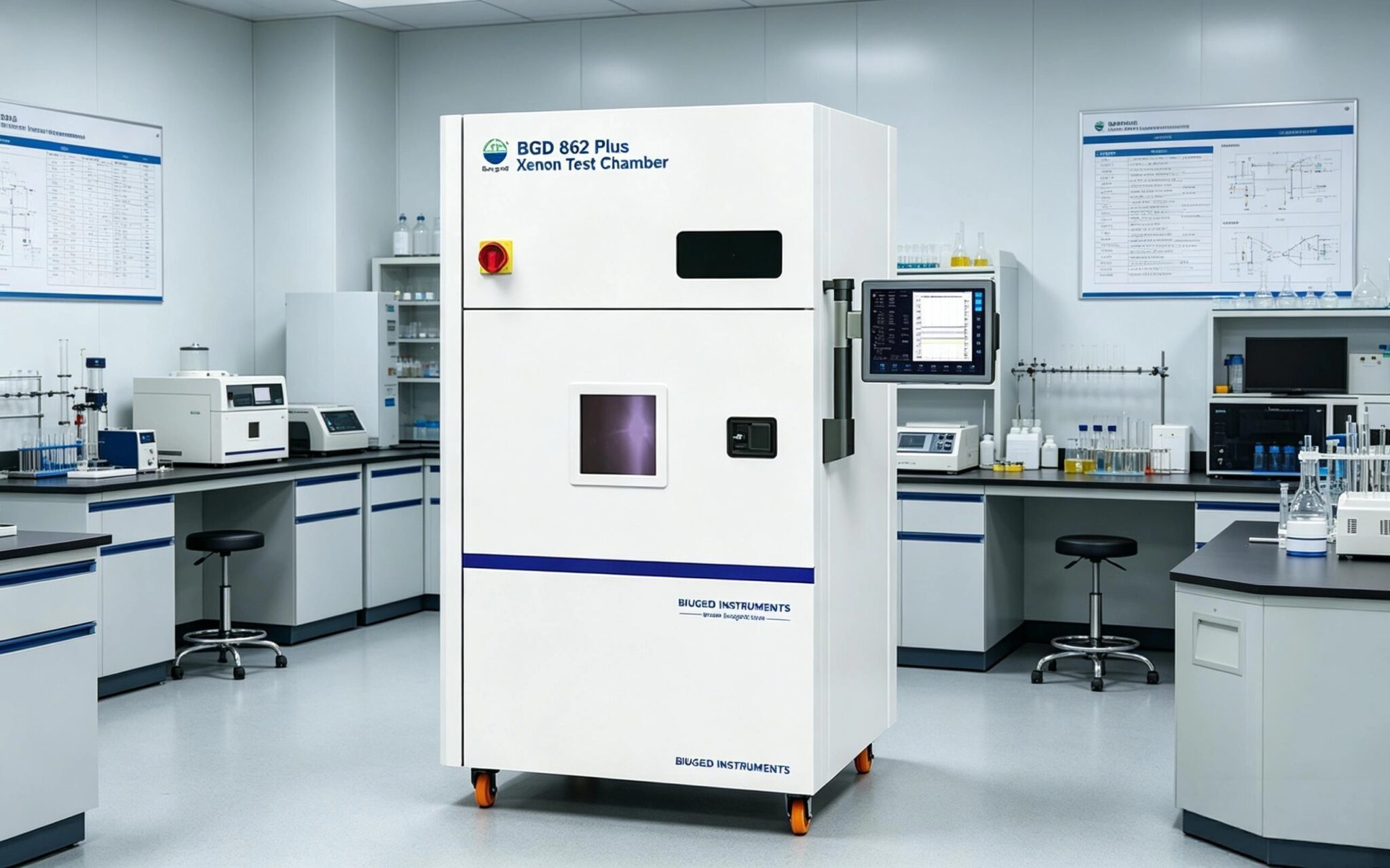
Why wrong choices happen
Decisions skew toward brand names, lowest bid, or a single lab’s standards rather than the project’s requirements. Buyers often accept advertised “compliance” without asking which test standards are mechanically implemented, or whether maintenance parts are locally available. That gap turns routine calibration into an emergency downtime event.
Must-check technical points
Match these to your scope: the exact test standard compatibility (ASTM, ISO, or industry-specific), repeatability and accuracy figures, environmental control range, consumables lifetime, and software traceability. Inspect the fixture adaptability—can the same clamp handle current and next-year samples? Ask for raw data export formats and whether the unit supports remote diagnostics.
Common procurement mistakes
Don’t buy on spec sheets alone. Avoid: accepting ambiguous tolerances, skipping on-site demonstrations, failing to budget for calibration service contracts, and ignoring spare-part lead times. Also, don’t assume firmware updates are free or that older instruments can easily retrofit new sensors—those add hidden costs.
How to evaluate suppliers
Compare suppliers on three concrete fronts: engineering transparency (drawings, test reports), service reach (local technicians or fast remote support), and upgrade path (modular options, documented firmware history). Request a factory acceptance test or video of the machine running your exact protocol. When you review proposals, line-item expected maintenance tasks and consumable intervals so lifetime cost is visible.
Experience, expertise, and a real-world anchor
Years of advising QC teams show that hands-on verification beats marketing copy: audit the supplier’s calibration lab, ask for probe-level data, and verify traceable standards. Vendors who demonstrate compliance at trade gatherings like the European Coatings Show in Nuremberg often have tested rigs and user feedback you can cross-check. For bespoke needs, suppliers who build custom laboratory equipment can adapt chambers and fixtures to your protocols while documenting validation steps clearly—look for that documentation before purchase.

Quick checklist before you sign
Get written answers to: which exact standards are implemented; expected measurement uncertainty; spare-part list and lead times; on-site training scope; software export formats; and warranty scope for both hardware and firmware. Negotiate a phased acceptance: bench test, site test, and final sign-off tied to performance criteria.
Final synthesis
Pick a solution that solves the problem you actually face—not the one in the brochure. Concrete verification, modular design, and clear service pathways prevent most failures. For projects that need tailored rigs and documented validation, firms with proven custom capabilities and transparent testing practices provide the consistent results teams rely on, such as BIUGED.