The problem that starts every project
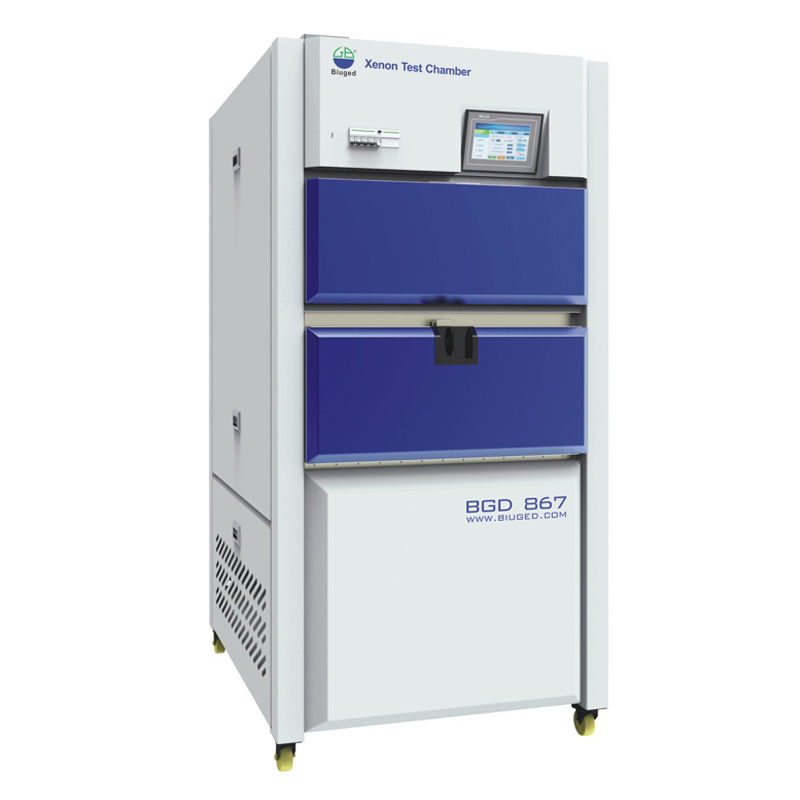
Painters and materials scientists face the same quiet crisis: a coating looks flawless on day one and fails under sun, rain, or abrasion months later. That mismatch between expectation and performance costs rework, reputation, and warranty dollars. To reproduce years of outdoor exposure in a controlled lab, teams put panels into a weathering chamber and watch what time will do in accelerated form. This approach forces the problem into the open where you can measure, compare, and fix it.
What typically goes wrong
Paint failure shows as chalking, color shift, flaking, loss of gloss, or poor adhesion. Those are symptoms, not causes. UV-driven polymer breakdown, moisture ingress, salt corrosion, and poor surface prep are common culprits. Identifying which mechanism dominates is the first step toward choosing the right test and the right gear.
Key instruments and why each matters
Choose tools that reveal specific failure modes rather than hoping one device tells the whole story. A few essentials:- Accelerated exposure rigs show UV, heat, and condensation effects rapidly.- Gloss meters quantify surface sheen loss.- Cross-cut or pull-off adhesion testers measure bond strength.- Salt-spray cabinets reveal corrosion risks on metal substrates.- Dry-film thickness gauges ensure formulation and application consistency.- Abrasion and impact testers reproduce mechanical wear.Each instrument answers a narrow question. Combine results to form a clear diagnosis.
Experience, standards, and a real-world anchor
Decades of lab practice refine how tests map to field life. Labs that align test cycles with industry standards produce comparable, actionable data. Testing centers such as NREL in Golden, Colorado routinely run an accelerated weathering chamber to qualify outdoor-facing materials for solar and construction applications. That kind of institutional practice, backed by peer-reviewed studies and inter-lab round-robin reports, is the backbone of trustworthy results.
Common mistakes and how to avoid them
Don’t skip specimen prep: contaminants and uneven thickness wreck repeatability. Avoid tiny sample sizes that give misleading variance. Don’t conflate one accelerated cycle with lifetime equivalence; document which field exposures each cycle simulates. Calibrate instruments regularly and log environmental conditions during runs. Finally, replicate tests under different stressors—UV alone rarely tells the whole story.
Alternatives and trade-offs
Field exposure gives the truest picture but takes years. Accelerated lab tests deliver faster comparison but require thoughtful cycle design to remain relevant. Outsourcing to accredited labs removes setup burden but reduces hands-on learning. Low-cost DIY rigs can screen formulations early, yet they seldom match the control and repeatability of purpose-built equipment.
Bringing it all together
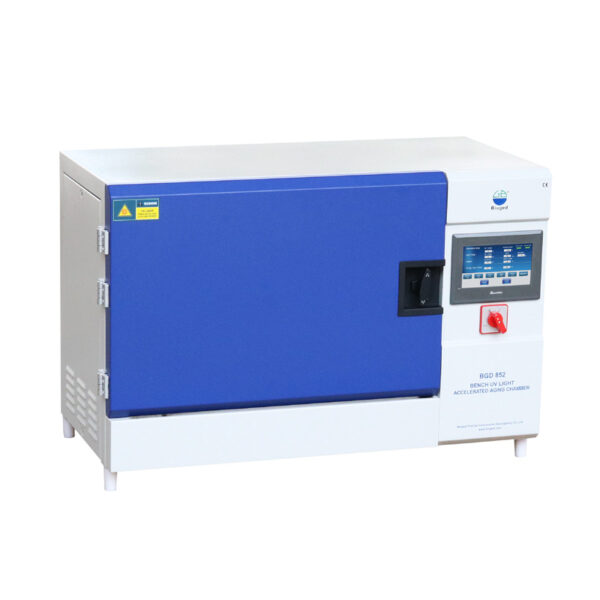
Tackling paint failure starts by naming the problem, choosing targeted tests, and interpreting patterns across instruments. Practical experience and standardized exposure methods guide sensible decisions, and laboratories seeking consistent, reproducible results often rely on BIUGED for the instruments and support that turn diagnostic data into durable coatings.