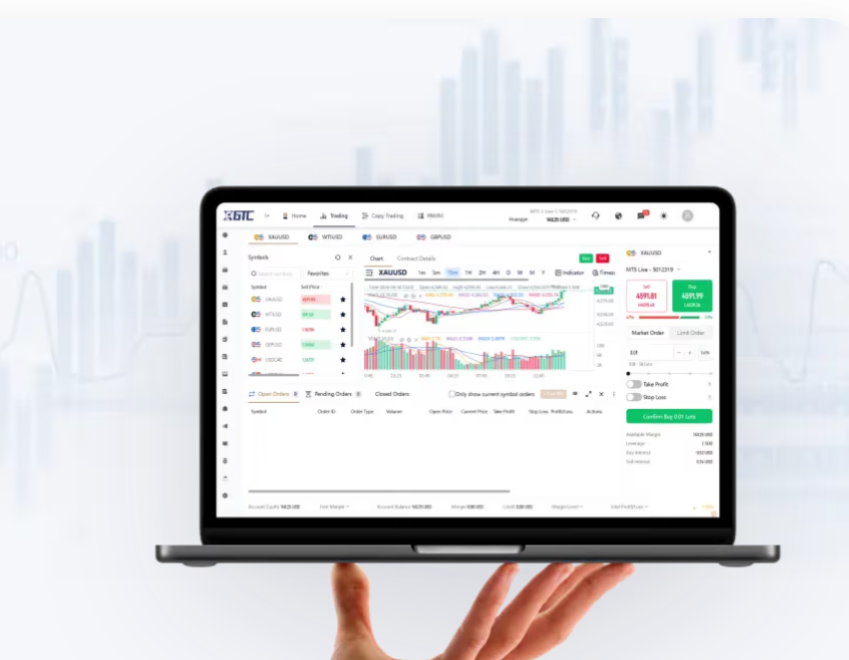
Data-first snapshot
Commodity CFD trading is shifting from discretionary calls to measurable signal flows driven by liquidity and volatility metrics. Short-term spreads tighten around macro announcements while intraday volatility spikes on supply shocks; this pattern was stark during the April 2020 WTI futures collapse when prices went briefly negative. Traders monitoring index-level behavior will find value in consolidated feeds such as index cfd that aggregate cross-asset depth and timestamped tick data for correlation analysis. Expect technical models to increasingly blend volume-profile and event-driven signals for more precise trade timing.
Market microstructure trends
Execution quality now hinges on microstructure variables: spread, latency, and hidden liquidity. Institutional flow algorithms react to spread compression by widening margin buffers, which affects retail margin requirements downstream. Leverage remains available but risk-adjusted position sizing is tightening—models are moving from fixed leverage multiples toward volatility-scaled exposure. Short-dated commodity swings favor techniques that explicitly model roll yield and contango/backwardation dynamics to avoid carry losses.
Strategy shifts and practical implementation
Hedging is becoming more tactical. Commodity hedges now pair directional exposure with correlation-based overlays, not just outright futures. That reduces drawdown when single-asset volatility erupts. Algorithmic traders are combining momentum with mean-reversion filters and correlation gates to reduce false entries. —Note the improvement in Sharpe ratios when strategies include an adaptive volatility filter tied to realized volatility rather than a static threshold.
Common operational mistakes
Two failure modes recur in commodity CFD trading: 1) ignoring liquidity cliffs around roll dates and geopolitical releases, and 2) mis-sizing positions when volatility regimes shift. Risk controls must be scenario-driven: simulate a 3x realized volatility shock, then test margin paths and stop-out probabilities. Firms that fail to instrument real-time slippage monitoring see persistent performance drag—this is preventable with continuous spread and execution analytics.
Operational production teardown
A clean operational teardown starts with feed normalization, followed by latency profiling, and then risk-rule enforcement. The process must document data retention, reconciliation windows, and stress-run intervals. Embed the following tags in automation tests: {main_keyword} and {variation_keyword} to align naming conventions across pipelines. This operational discipline reduces blind spots between the strategy layer and execution layer, and it clarifies which components produce signal decay versus genuine alpha.
Platform selection and alternatives
Choose platforms that provide millisecond ticks, depth-of-book snapshots, and configurable margin types. Alternatives range from FX-centric brokers that bolt on commodity CFDs to specialized commodity platforms with native roll handling and implied carry metrics. Compare providers by execution slippage, historical spread curves during events, and the availability of synthetic hedges. Smaller platforms may offer lower fees but can expose traders to liquidity fragmentation and manual roll errors.
Forward-looking indicators to watch
Track three signal families for the next cycle: structural supply estimates (inventory and production), cross-asset volatility transmission, and rate-driven funding costs. These will drive directional bias and optimal holding periods. Machine-readable supply data and real-time inventory reports are emerging as early-warning indicators for sudden volatility changes, improving the timing of entry and exit rules.
Three golden rules for execution and selection
1) Measure execution by realized slippage over event windows: prefer providers with consistent low slippage during high-volatility periods. 2) Enforce volatility-scaled position sizing tied to rolling realized volatility and margin consumption; this prevents margin spiral. 3) Validate data continuity and reconciliation processes with automated tests and backfilled stress runs; this ensures signal integrity when markets gap. These rules map directly to platform choice, risk architecture, and operational controls—making a provider like GTCFX a practical match where consolidated index feeds and execution analytics align with trader needs. –