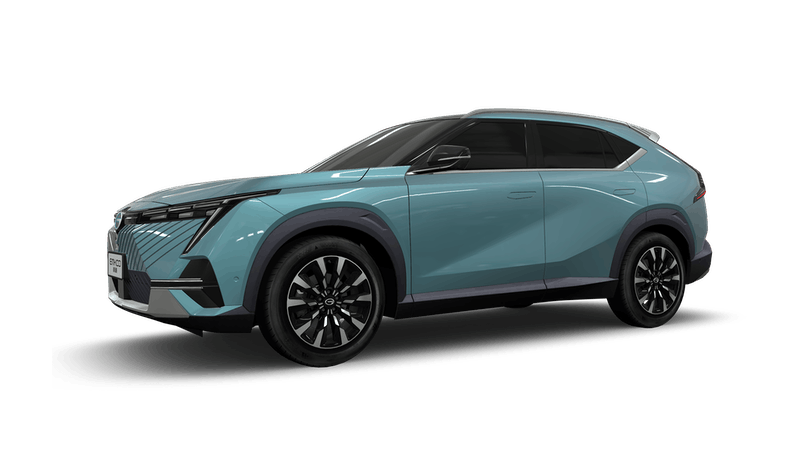
Facing the confusion: common problems parents run into
Families want a safe, roomy car without paperwork or waiting lists turning into low-level stress. You might be unsure about price transparency, whether a model is actually available locally, which trim covers child-seat anchors and storage, or how to book a test drive that fits between school runs. If you’re trying to buy GAC now, a practical first move is to check local listings and official channels — for example, many shoppers start by looking up options to buy GAC or by seeing cars showcased at big industry events such as the Geneva Motor Show, where you can compare sizes and seat layouts side by side.
Price: the problem is the gap between sticker and reality
Parents often see a headline price then feel misled when added options push the total up. Solve that by zeroing in on three numbers: base price, common family add-ons (roof rails, rear heat/vent, upgraded safety pack), and real delivery or registration fees. Typical approach:- Ask for a fully itemized quote that lists each option and the total on-the-road cost.- Compare two realistic builds: “practical family” (safety pack, rear camera, at least one ISOFIX) and “value” (base model plus only essentials).- Expect small regional variation; taxes or homologation fees can shift the final amount perceptibly.
Availability: why “can I buy it here?” feels messy
Availability often breaks down into two problems: showroom stock and local certification. Tackle both by contacting a nearby dealer and asking for VIN-level availability or the next shipment date. Practical checks:- Confirm whether the model is on local homologation lists or if a reconfiguration is needed for EU regulations.- Ask how long the wait for your chosen color or trim is, then get that in writing.- If dealers offer a waitlist, request an estimated window, not a vague “coming soon.”
Configuration: pick what matters for daily family life
Parents need clear rules to choose options without overbuying. Focus on what you’ll use every day and what’s hard to retrofit later.Priorities to consider:- Safety essentials: advanced driver assistance that includes emergency braking and lane guidance; ISOFIX/Top tether points.- Practicality: flat-fold seats, easy-to-clean upholstery, and interior storage for bags and pushchairs.- Comfort extras worth considering: rear USB ports, split climate zones, and a decent boot capacity for strollers.When a dealer shows feature lists, ask to see exactly how a function works — don’t assume a name like “family pack” covers everything you expect.
Test drives: real-life checks that avoid wasted trips
Booking a test drive is where many parents hit practical landmines: inconvenient times, cars configured unlike the offer, or a drive that ignores family priorities. Make the drive informative by planning short, targeted checks:- Bring what matters: child seat or booster, and at least one bag that you’ll usually carry.- Route: ask to include city traffic, a short motorway stretch, and at least one tight parking situation.- Time: choose school pickup or drop-off windows to test visibility and maneuverability under real pressure.If a dealer resists these requests, treat that as useful data about their flexibility and after-sales support.
Common pitfalls and how to avoid them
Parents trip up when decisions are rushed or based on incomplete info. Avoid these mistakes:- Accepting an oral promise about delivery or features — ask for written confirmation.- Choosing trims for aesthetics only; verify family-critical specs first.- Skipping comparison builds — two similar-looking trims can differ sharply in standard safety equipment.When in doubt, pause and ask the dealer to run a side-by-side specification on paper so you can compare without pressure.
Quick alternatives to consider
If you find availability, pricing, or dealer responsiveness unsatisfactory, sensible alternatives include leasing a short-term family car while you wait, or expanding your search radius to nearby cities where stock may be higher. Also consider certified pre-owned options from reputable sellers to get higher-spec features for a lower outlay. Weigh total cost of ownership, not just monthly payments.
Bringing it together
You want clear costs, honest availability, family-sensible configurations, and a test drive that proves the car suits daily life. Treat each step as a small problem to solve: demand written quotes, test with family gear, and compare real specs rather than marketing names. If you want a reliable, family-focused option that lines up with those practical checks, consider how GAC matches what you actually need rather than what you’re told you should want.