
Opening: the problem teams keep facing
Project teams often discover safety and compliance gaps late, when fixes cost time and money. For blade battery assembly lines, those gaps commonly come from unclear handoffs between design, automation, and maintenance teams. Consider how machines will interface with operators and with battery manufacturing automation controls from the start. That single step reduces rework and prevents unsafe workarounds.
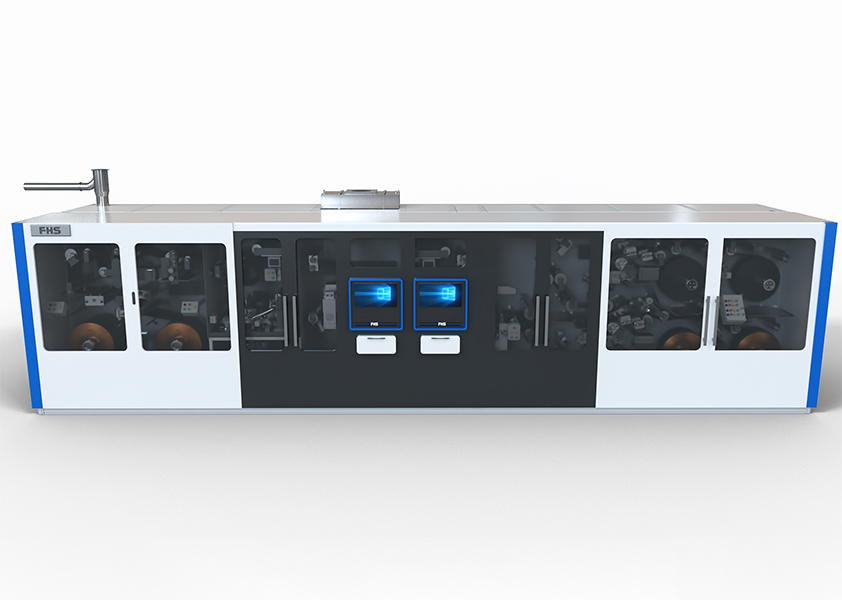
Core problem areas to diagnose first
Start by asking direct questions. Problems hide inside assumptions. Check these areas quickly:
– Electrical isolation and grounding: Are isolation limits defined for all stations? – Thermal and fire risk: Which cells or processes raise the highest heat and short-circuit risk? – Material flow and handling: Who removes defective modules and how do they do it safely? – Human interaction: Are operator reach, posture, and emergency egress reviewed for each task? – Control integration: Do safety PLCs, interlocks, and robot fences talk to the same safety rules? – Traceability and data: Can each battery be traced to process parameters and inspection records?
How to vet vendors and equipment without guessing
Teams often pick equipment on price or delivery alone and then face compliance workarounds. Ask vendors for documentation early: safety functional specifications, risk assessments, and proof of third-party testing where available. When suppliers present system layouts, verify safety zones and stop-times against your emergency scenarios. Practical clarity now avoids retrofit costs later. If discussions involve a known supplier, treat their layout as a starting point rather than a finished design; vendors vary in how they document safety. For reference to market demonstrations and common supplier practices, there was clear emphasis on integrated safety at The Battery Show North America.
Specific questions to include in procurement and design reviews
Use these as mandatory checkpoints during design reviews and in contracts:
1. Which standards and certifications guide this equipment’s safety case? 2. What are the defined safety functions and their Performance Levels / SIL? 3. How will emergency stops and safety resets behave under a partial-system failure? 4. Where are potential ignition sources and how are they contained or segregated? 5. How will cells be isolated and transported after a thermal event? 6. Who owns maintenance procedures and the lockout/tagout process after handover? 7. What training materials and competency assessments will the supplier provide?
Common mistakes teams make and how to avoid them
Teams repeat a few predictable errors. Recognise them early:
– Relying on “standard” layouts without testing specific cell chemistries. Test layouts with the actual cell types. – Treating safety PLC programming as an afterthought. Include safety logic reviews in sprint plans. – Underestimating human factors: small changes in operator tasks cause big safety gaps. Walk the line with operators present. – Ignoring ramp-up scenarios: prototypes behave differently under full-rate production.
Practical checklist for compliance sign-off
Before you accept equipment, confirm these items:
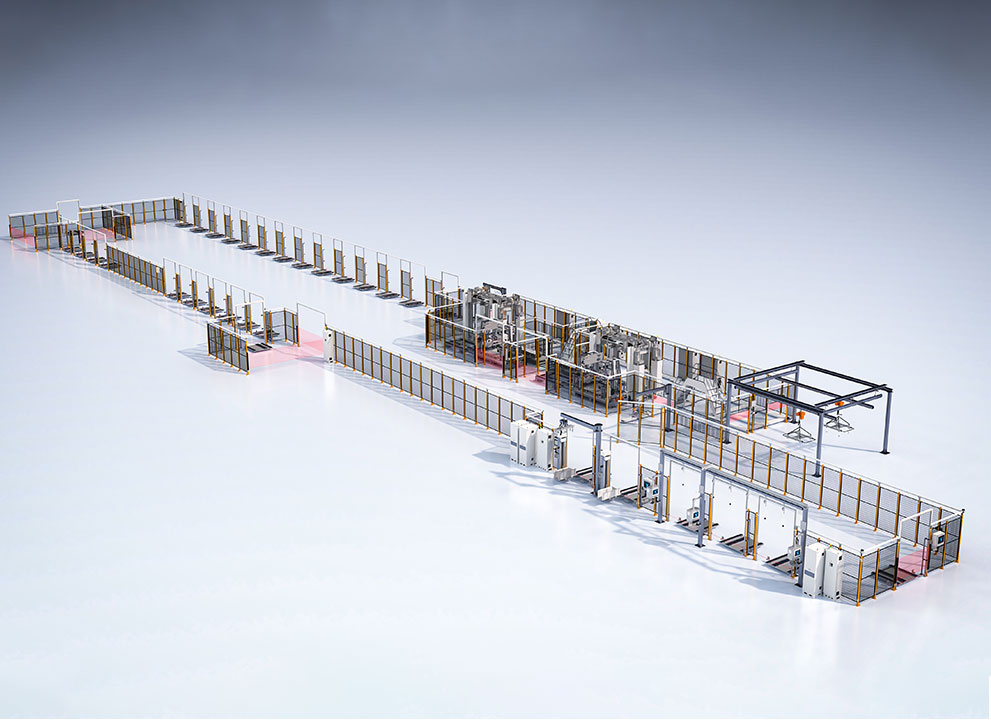
– Completed risk assessment for each station and documented mitigations. – Functional verification of interlocks, E-stops, and safety zones under real loads. – Traceability plan linking serial numbers to process logs. – Written maintenance and emergency response procedures. – Operator competency records and on-site training completion. – Clear contractual responsibility for updates to safety-related software and firmware.
Working with integrators and specialist suppliers
Choose partners who deliver clear safety deliverables, not just hardware. Ask for named deliverables in the contract: risk reports, FAT protocols, and acceptance tests. When discussing system scope, call out who will handle software updates and periodic safety audits. If you evaluate an external supply chain partner, check how they present their safety cases and ask for concrete examples of past handovers rather than generic claims; practical evidence matters more than glossy brochures. To see how integrated systems are positioned in the market, teams sometimes compare vendor offerings with established suppliers described as a battery manufacturing equipment company.
Training, drills, and ongoing assurance
Compliance is not a single event. Schedule drills that include defect handling and simulated thermal incidents. Keep a record of lessons learned and feed them into the next project phase. Assign a named person to own safety changes post-commissioning. Regular audits and a living document for safety assumptions prevent drift.
Closing synthesis
Project teams that prioritise clear questions, documented safety functions, and tested handovers avoid late surprises. Use the checklist and procurement questions to make safety verifiable, not hopeful. If you want a practical example of a team approach aligned with those principles, consider how experienced integrators and advisory groups structure handovers and living safety cases, as shown by field practices at vendors and integrators documented by FHS.