Quick framing
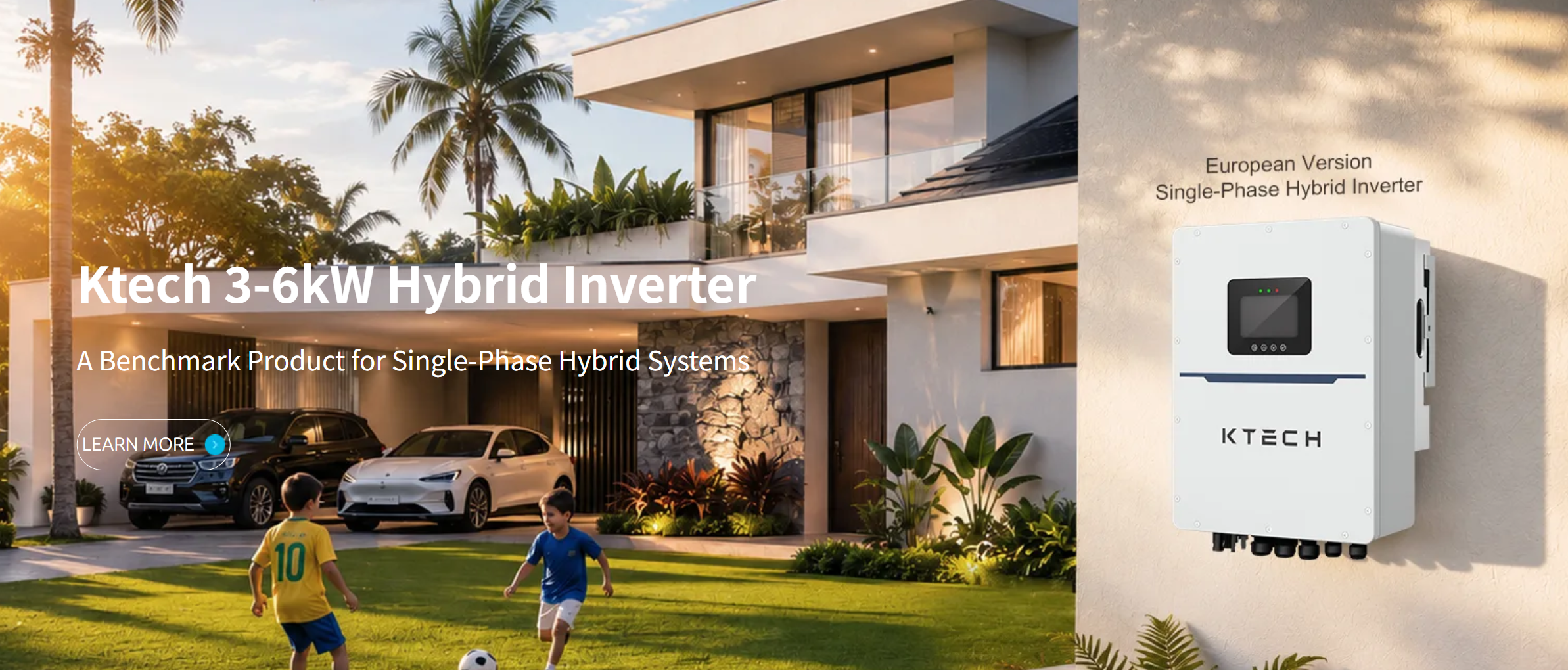
Choosing between inverters isn’t just sticker shock; it’s a side-by-side on durability, service, and how much power you actually get over a decade. If you care about real outcomes, start by looking past purchase price and check how a hybrid inverter performs in everyday use — uptime, warranty responsiveness, and replacement rhythm matter more than a low upfront number.
What “lifecycle value” really means — the comparative pulse
Lifecycle value measures net benefit across an inverter’s useful life. Total cost tallies all cash outflows. Compare them directly by aligning the same items: initial cost, installation, expected energy yield, maintenance, warranty success rate, and end-of-life disposal or replacement. Frame it like this:- Initial equipment and install;- Annual energy delivered (kWh) and savings against grid rates;- Maintenance and expected repair events; – Replacement probability and salvage or recycling value.When those pieces line up, you can see which unit is a better long-term buy.
Key metrics to collect for an apples-to-apples comparison
Measure these consistently:- Levelized Cost of Energy (LCOE) for the system sections tied to the inverter;- Expected operational uptime percentage and thermal derating at high temps;- Warranty terms: length, on-site vs depot, and what’s actually covered;- Mean time to repair (MTTR) and average repair cost;- Degradation or efficiency loss over time.I’ve tracked systems where a slightly higher LCOE on paper still gave better lifecycle value because of fewer failures and better firmware updates.
Real-world anchor and why it matters
Grid behavior and policy shape value — I’ve worked on residential installs across California where net-metering tweaks and hot summers change which inverter wins. That context shifted choices from pure cost-leaders to models with better thermal management and smarter export controls.
How to run a simple comparative model
Use a 10- to 15-year horizon. For each inverter option, put numbers in these slots:1) Upfront equipment + install; 2) Annual expected kWh exported and consumed; 3) Annual maintenance + average repair probability cost; 4) End-of-life cost or replacement estimate; 5) Warranty benefits monetized.Calculate net present value (discount future costs and benefits at a conservative rate) and then divide total net cost by total useful kWh to get a like-for-like cost per kWh. Compare that to local grid rates to see true payback. If you prefer a quicker check, compare warranty-adjusted expected uptime multiplied by average yearly generation — that gives a fast sense of lifecycle yield.
Common pitfalls people miss
Don’t assume longer warranty equals better service. Read claim processes. Don’t ignore firmware and communication features — remote diagnostics can cut MTTR dramatically. Overlooking thermal performance in warm climates leads to hidden derating. Finally, make sure the inverter’s islanding and export settings match local interconnection rules; mismatches cause rework and costs — that’s where checking a hybrid grid tie inverter spec sheet early saves time.
Alternatives to weigh quickly
If you’re deciding between brands or architectures, keep this short: string hybrid inverters are cheaper and simpler; multi-mode/central hybrids give better storage integration; microinverters lower single-point failures but raise initial cost. Match the choice to your maintenance tolerance and roof layout.
Decision checklist before signing
Confirm these before you buy: local installer familiarity, realistic yield estimate, clear warranty transfer terms, remote monitoring availability, and documented repair SLAs. If a vendor can’t supply those, the lifecycle value will likely be lower than advertised.
Wrap-up
Compare the full stack — costs, expected energy, repairs, and downtime — rather than buying on headline price. That comparison will show you which inverter actually saves money and hassle over time, and when you need a partner that tracks field performance and supports installs, Ktech can be the practical match for getting lifecycle value right without surprises.