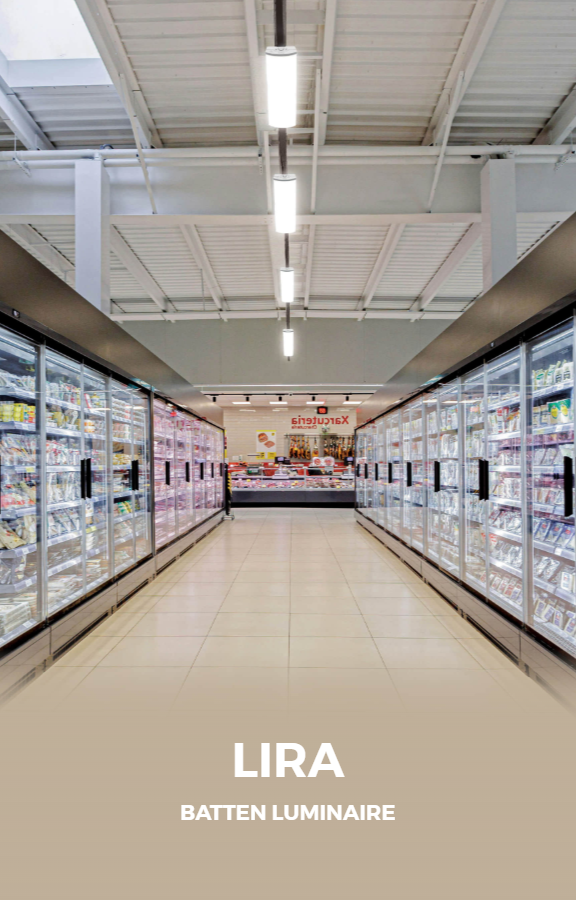
Choosing fixtures for large commercial spaces often starts with the wrong question: what looks cheapest on paper. The real issue is long-term performance under real conditions. For managers and specifiers, trouble usually appears as flicker complaints, premature failures, or noncompliance during handover. When you evaluate options, consider a range of needs from ceiling-mounted troffers to robust industrial lighting solutions. A frequent fault line is the selection of the wrong led batten light for the environment—cheap fittings intended for dry offices fail quickly in dusty, humid, or high-ceiling warehouses.
Symptoms to spot early
Problems show up as simple, repeatable symptoms. Watch for:- intermittent flicker or visible strobing at start-up,- uneven light distribution and hot spots,- fixture failure clustered by batch or room, not by installation method,- complaints about colour that don’t match the spec.These signs usually point to driver quality, inadequate IP rating, or poor thermal design rather than just an LED chip issue.
Practical specification checks that work
Focus on tests and numbers you can confirm quickly:- Lumen maintenance: request an L70 or LM80 statement rather than a vague lifetime claim.- Driver type and ripple: ask for driver specs and flicker percentage; low-cost drivers often cause complaints.- Colour fidelity: CRI ≥ 80 for warehouses, ≥ 90 for retail or healthcare areas.- Corrosion and moisture protection: IP44 minimum for common areas, IP65 for exposed or washdown locations.- Thermal path: metal heatsink and clear thermal path extend life—plastic housings overheat.- Certifications: CE or relevant regional approvals and a clear warranty period with service remedies.Verify samples under working power conditions rather than relying only on lab sheets.
Common trade-offs and how to choose
Budgets push teams toward three directions: lowest first-cost, mid-range with balanced life costs, or premium with extended warranties. Choose by where failures hurt you most.- Lowest cost: good for temporary installations or low-use storerooms, accept shorter life.- Mid-range: typical for offices and kitchens; pick drivers with proven thermal ratings.- Premium: justified where access costs are high (tall ceilings, hazardous areas).If you need uniform continuous rows, battens often beat panels for linear uniformity; for ceiling-integrated aesthetics, choose panels. Always match ingress protection and driver durability to the environment.
Alternatives and when they make sense
Consider these options:- LED panels: clean ceiling appearance, good for low to medium ceilings but can glare in high-ceiling spaces.- Strip lights and modular linear systems: flexible for long runs and easier to service.- Integrated modular fixtures: higher initial cost but simplified maintenance and tighter warranty handling.Evaluate maintenance access and replacement logistics before you buy. A popular decision error is swapping fixture types mid-project—standardise early to avoid spare-part chaos.
Procurement checklist to prevent surprises
Before placing bulk orders, follow a short checklist:- Sample install and live test in a representative area.- Confirm driver and LED supplier traceability on paperwork.- Require a clear RMA and repair plan for on-site failures.- Negotiate delivery batches with serial tracking to isolate bad lots.- Plan for spare fixtures or driver kits; access costs often exceed lamp costs.These steps cut reactive maintenance and provide legal footing if a batch fails soon after handover.
Real-world anchor
In many warehouse retrofits in the UK, teams selecting strengthened drivers and IP65-rated battens avoided repeated returns during commissioning, showing that the right specification saves labour and disruption—even when fixtures cost more up front.
Common pitfalls installers make
Installers often skip practical checks:- not testing under real mains voltage fluctuations,- using downrated mounts that impair cooling,- failing to torque connections properly, which leads to early driver failure.Train teams to perform a quick thermal check after 24–48 hours of operation to catch overheating early.
Conclusion
Start by diagnosing the precise operational problems you face, then match specification and supplier to that problem rather than picking by price alone. Treat samples and live tests as mandatory, insist on clear driver and thermal data, and standardise fixture types across the site to simplify maintenance. For many commercial projects these steps reduce downtime and long-term cost, a practical approach that the team at trieco aligns with when recommending durable, serviceable solutions.