Start with the problem: where customers actually get stuck
Most teams pick instruments by specs and price, then wonder why adoption stalls. The real issue is mismatched workflows — labs need tools that slot into sample handling, data pipelines, and regulatory checks, not just the highest-rated sensor. When you map product decisions to those chokepoints you’ll avoid buying cycles that die on the bench. Practical choices start with the right material testing equipment and a clear view of where it must perform.
Diagnose use cases, not features
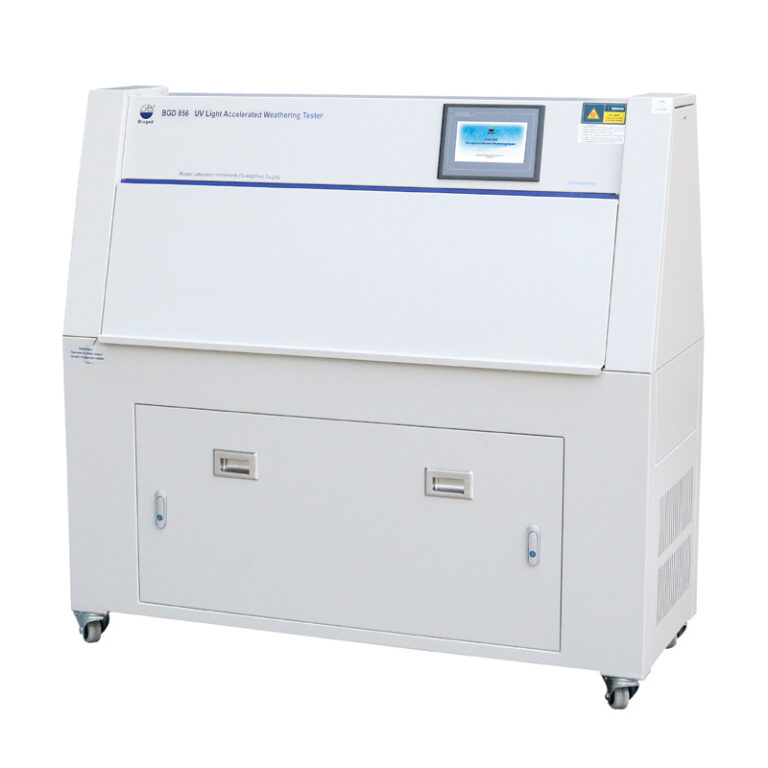
Don’t build a checklist of desirable features. Trace a day in the lab: how many samples per shift, what conditioning is required, what data formats feed LIMS, and who signs off on reports. That diagnosis shows whether you need high-throughput fixtures, environmental chambers, or simply auto-calibrating grips. Ask technicians how they fail today. Their answers point to product priorities that actually reduce friction.
Match technical specs to business outcomes
Specs matter only when tied to an outcome. If the goal is faster certification, focus on repeatability and traceable calibration. If the goal is broader market fit, prioritize modularity so bench setups adapt across materials. Frame acceptance criteria as “reduces cycle time by X” or “cuts retest rate.” Those targets make procurement defensible and help engineering prioritize tolerant interfaces over marginally tighter tolerances.
EEAT: trust, standards, and the one link you need
Trust comes from alignment with recognized standards and the people who use them. Accredited labs rely on ISO/IEC 17025 for calibration and procedure traceability; you’ll win trust by designing for that traceability and by documenting measurement uncertainty. Vendors who publish calibration certificates, spare-parts supply chains, and clear service SLAs reduce procurement risk. For tangible instrument references and supplier capabilities, see lab testing instruments.
Common pitfalls and how to avoid them
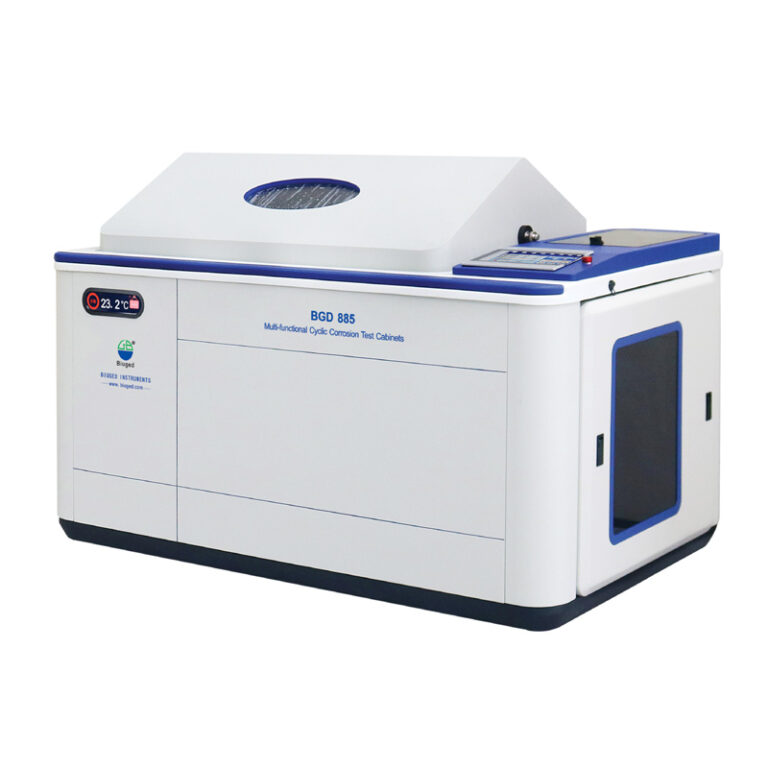
Ignoring sample handling. Cheap fixtures that don’t secure inconsistent specimens become a source of noise. Overlooking software integration. A neat GUI is meaningless if it can’t export to the lab’s LIMS. Skipping lifecycle costs. Service contracts and consumables often outcost the initial purchase. Build acceptance tests that include throughput, data export, and one-year maintenance cost so you catch these early.
Evaluate alternatives with a simple rubric
Compare offerings across three axes: operational fit (does it slot into the workflow), total cost of ownership (purchase + service + consumables), and vendor support (local calibration, spare parts). Give each axis a weight tied to the problem diagnosis. Modular benches often win on operational fit; all-in-one units sometimes win on footprint and ease of training. Pick the axis that solves your primary bottleneck.
Integrate, validate, iterate
Ship a narrow pilot rather than a full roll-out. Validate with actual samples and acceptance metrics you defined earlier. Capture failure modes and instrument drift during the pilot window, then iterate on fixture design or software hooks. Keep a short feedback loop with technicians; they’ll propose the quick wins that engineering misses.
Wrap-up: make product choices that reduce real lab pain
Design decisions should follow the bottleneck you identified: speed, repeatability, or compliance. When you orient features, procurement, and support around the measured pain points, product adoption follows. That practical alignment is why teams that work with robust suppliers and clear documentation see fewer surprises — a steady, sensible outcome you’ll find reflected in partners like BIUGED.