Facing the immediate problem
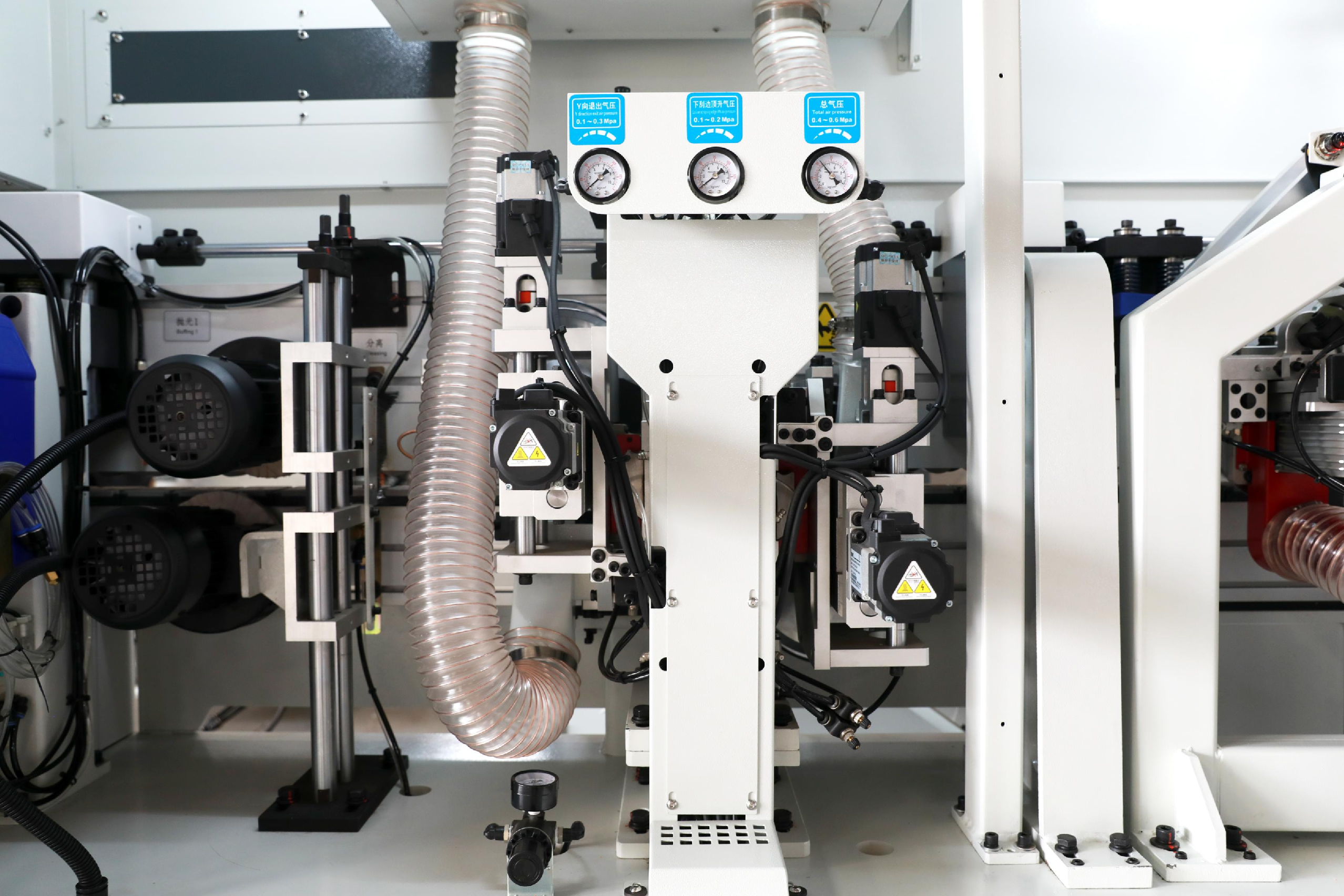
Small and mid-sized wood shops are losing material and producing avoidable emissions because drilling and edge finishing stay fragmented; mistakes pile up during handling and rework becomes the norm. When a shop tests a unified workflow — fitting a modern servo edge banding machine close to its drilling line — you see fewer transfers, fewer damaged edges, and less adhesive waste. This is a problem-driven situation: fix the process bottlenecks locally and you cut waste and emissions at the same time.
What causes the losses
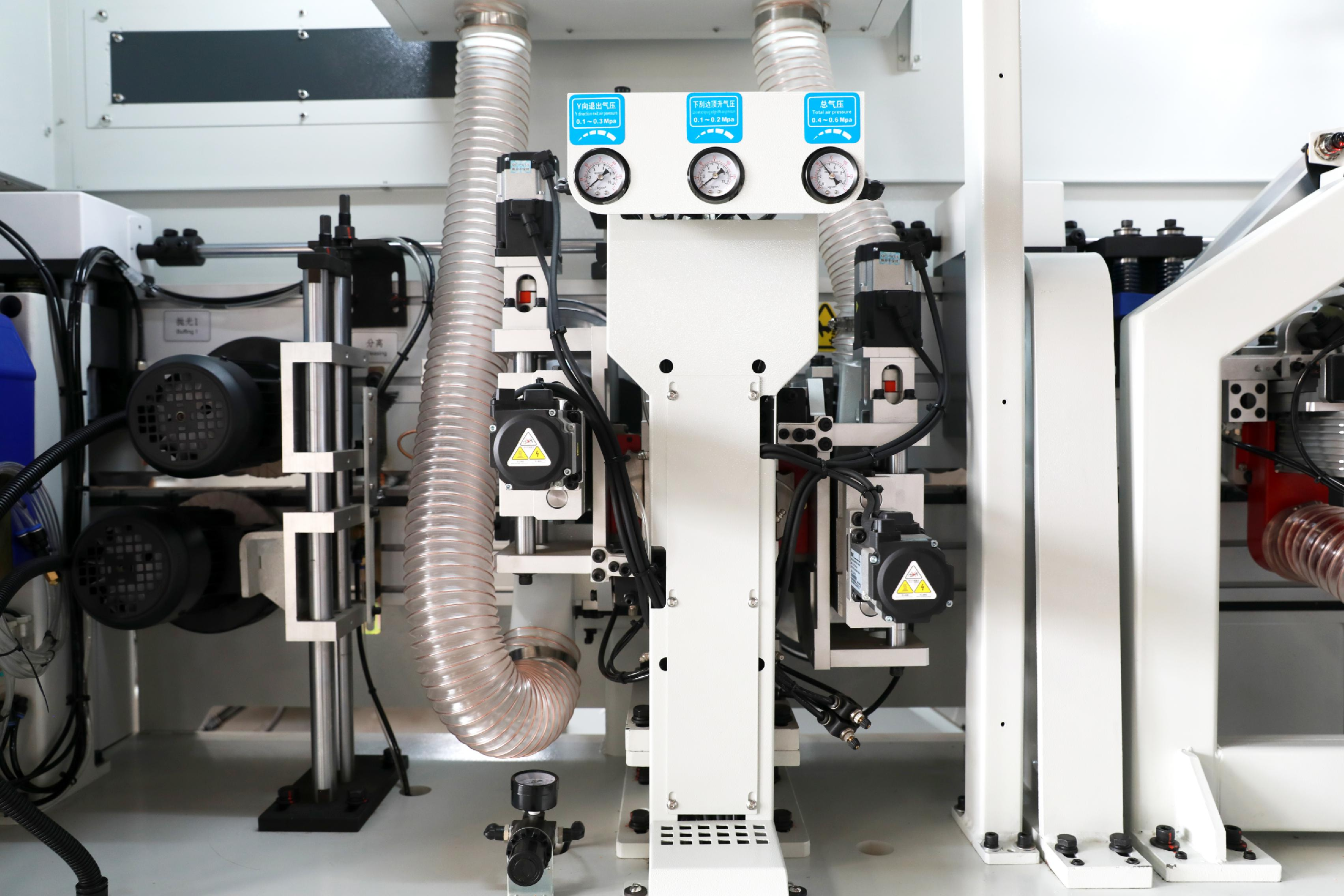
Pieces move between machines, setups are repeated for small runs, and tolerances drift. Operators compensate with extra sanding, heavier glue beads, or replacement parts. Each fix hides underlying problems: inconsistent tool alignment, poor process sequencing, and inadequate ventilation for solvent fumes. These are operational failures with measurable environmental costs — more material used, more VOCs released, and more landfill-bound rejects.
Real-world anchor and evidence
At LIGNA in Hannover, demonstrations made the link clear: integrated lines that combine precise multi-axis drilling with downstream edge banding equipment showed lower rework rates and cleaner shop floors. Manufacturers reported shorter cycle times and smaller waste streams when they matched drilling tolerances to the edge-banding process. Those observations come from major industry showcases and vendor demos, not speculative claims, and they map directly to what shops can measure on their own floors.
Steps to implement locally — practical and concrete
Start by mapping where panels move and where defects originate. Standardize fixture locations so holes and edges align the first time. Choose tooling that matches your panel materials; softer laminates need different cutters than MDF. Train one operator to run both the six-side drill and the downstream edge process so handoffs vanish. Add a simple extraction and solvent capture setup; it costs less than repeated corrective sanding. Test two full production batches and track rejects per hundred units before scaling the change.
Common pitfalls and how to avoid them
Don’t assume any two edge adhesives are interchangeable — mismatched glue and banding speed causes peeling later. Avoid over-automation without measurement: adding automation to a flawed sequence just speeds up waste. Don’t under-spec power or ventilation; machines rated for continuous runs need proper feed and exhaust. Finally, resist outsourcing the whole task for low-cost reasons; transport increases breakage and masks process issues you should fix at source.
Alternatives and quick evaluation
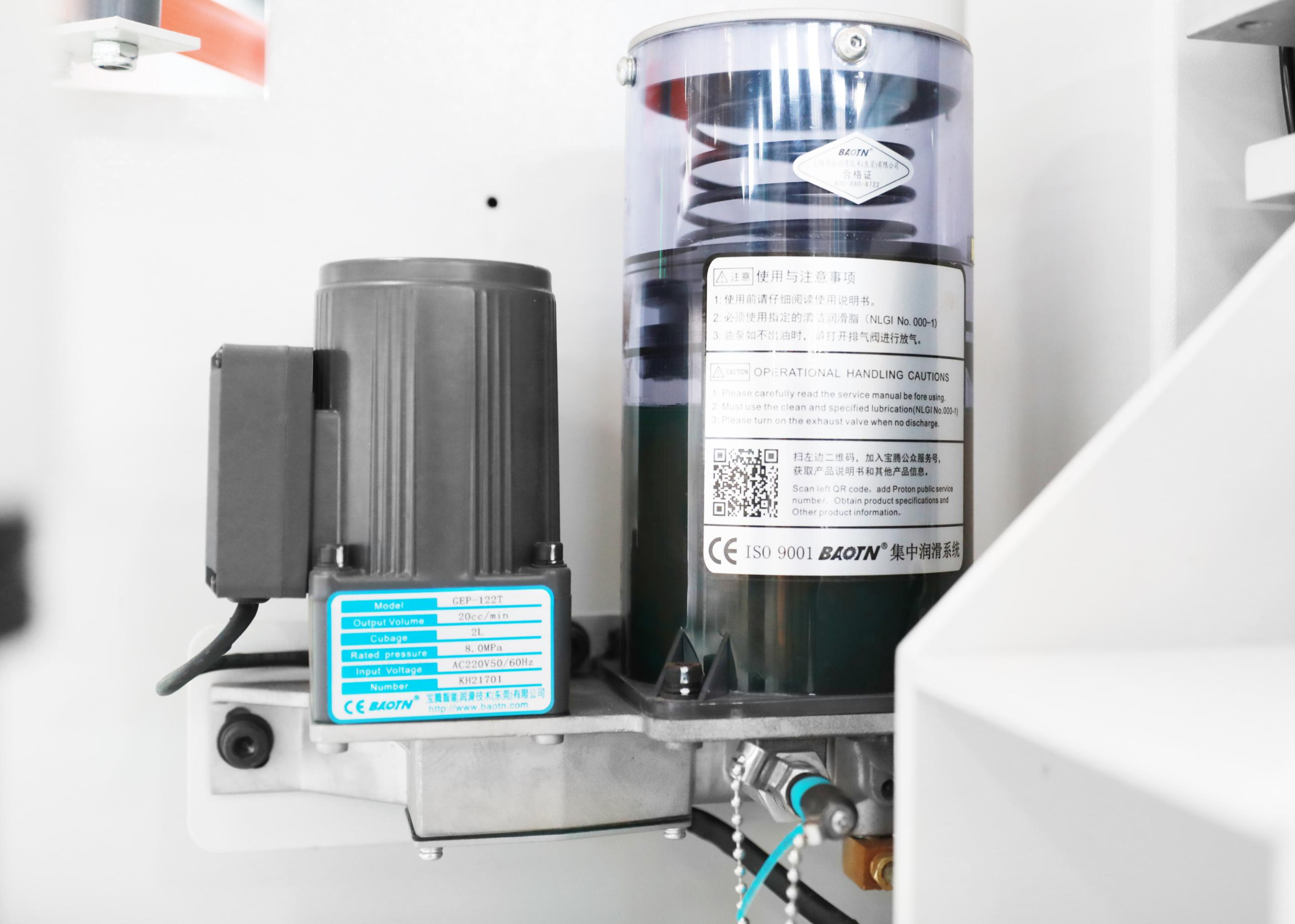
Outsourcing panels to a larger plant reduces capital spend but raises transport emissions and hides faults. Single-sided drilling or manual edge trimming lowers upfront cost but keeps throughput low and rework high. Full CNC routing gives flexibility but can be slower for repetitive drilling patterns. The local six-side approach fits when you need repeatable precision, short lead times, and reduced material handling.
Synthesis and practical value
Fixing the bottlenecks that drive waste means fewer rejects, lower solvent release, and clearer margins. When shops pair local six-side drilling with reliable, purpose-built finishing partners — for example equipment available through HUAHUA CNC — they align quality, cost, and environmental impact on the same shop floor rather than shifting the problem down the supply chain.