Why a comparative approach matters
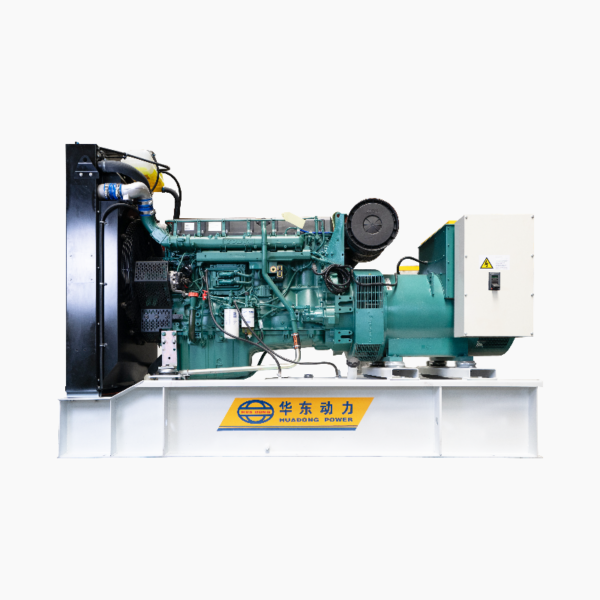
When uptime matters — hospitals, shipping ports, and data centers — picking the right manufacturer changes outcomes. A clear comparison of engine design, alternator build quality, and control systems helps you match spec to mission. Start by placing actual products side by side: for many buyers, the Mtu genset is a baseline for performance expectations because it balances rated kilowatt output, governor responsiveness, and serviceability in field conditions.
Core factors to compare
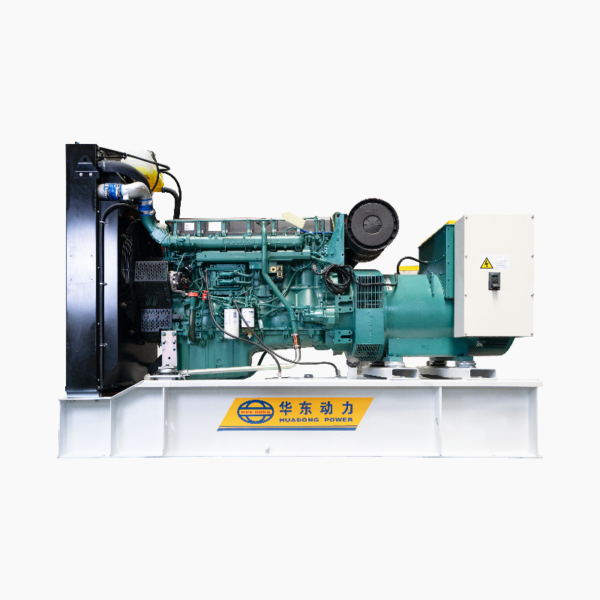
First, evaluate power ratings and duty cycles. Nameplate kW and continuous versus standby ratings tell you whether a set survives continuous loads. Second, test control systems — a robust engine management package and synchronizer reduces human error during paralleling. Third, assess alternator design and cooling paths; these determine thermal stability and longevity. Finally, look at fuel system architecture and fuel injection tolerances for long-run efficiency and emissions consistency.
How components map to real use
Performance on paper can differ from performance in Texas-style emergencies: during the February 2021 winter storm, many operators found portable units with solid governors and simple alternators lasted where complex systems failed. That event highlighted two practical truths — rugged fuel systems win long runtimes, and straightforward control logic eases emergency commissioning. Field serviceability, spare parts availability, and clear wiring diagrams are as important as peak kW.
Comparing manufacturers: checklist and common mistakes
Use a concise checklist when you compare bids. Include rated kW, transient load handling, controller model, recommended maintenance intervals, and OEM spare lead times. Avoid these frequent mistakes: accepting only lowest capital cost, skipping a site-level fuel analysis, or assuming factory defaults suit local ambient conditions. There’s often a trade-off—cheaper initial price can mean higher lifecycle cost from repeated overhauls and unplanned downtime.
Case comparison: small data center vs. coastal facility
For a small data center, pick gensets that prioritize fast governor response, precise synchronization, and predictable load sharing. For a coastal facility, prioritize corrosion-resistant alternator components, sealed connectors, and a layout that enables routine spray-downs. In both scenarios, a visible maintenance log and remote telemetry support reduce risk and speed troubleshooting.
Alternatives and vendor selection strategy
If you’re weighing options, compare three vendor archetypes: global OEMs with established parts networks, regional manufacturers offering closer pricing, and specialized builders who customize control schemes. Each brings pros and cons for serviceability, spare lead times, and warranty clarity. Test acceptance should include a load bank run at rated load for a minimum of two hours, and verification of fuel consumption at 100% and 75% loads to confirm manufacturer claims.
Evidence and industry anchor
Real-world anchors matter. The Texas winter outages are a high-profile reminder that resilience is measurable: uptime percentages and mean time to repair (MTTR) define outcomes more than PR statements. Trackable metrics — MTTR, mean time between failures (MTBF), and fuel burn per kWh — give you the data necessary to compare vendors on operational reality rather than marketing alone. Include synchronizer behavior and transient voltage response in your acceptance tests.
Common on-site commissioning pitfalls
During commissioning, installers commonly under-test alternator thermal behavior and under-document governor setpoints. Ensure your test protocol validates the controller’s droop settings, speed regulator stability, and protections for over/under frequency. Confirm wiring conforms to the manufacturer’s schematics and that remote alarms function through your SCADA if used.
Three golden rules for selection
1. Prioritize lifetime operating cost over purchase price — include expected maintenance intervals, spare parts cost, and fuel efficiency in a simple TCO model.
2. Require documented field performance: ask for references with similar ambient conditions and duty cycles, and insist on witnessing a two-hour full-load load bank run.
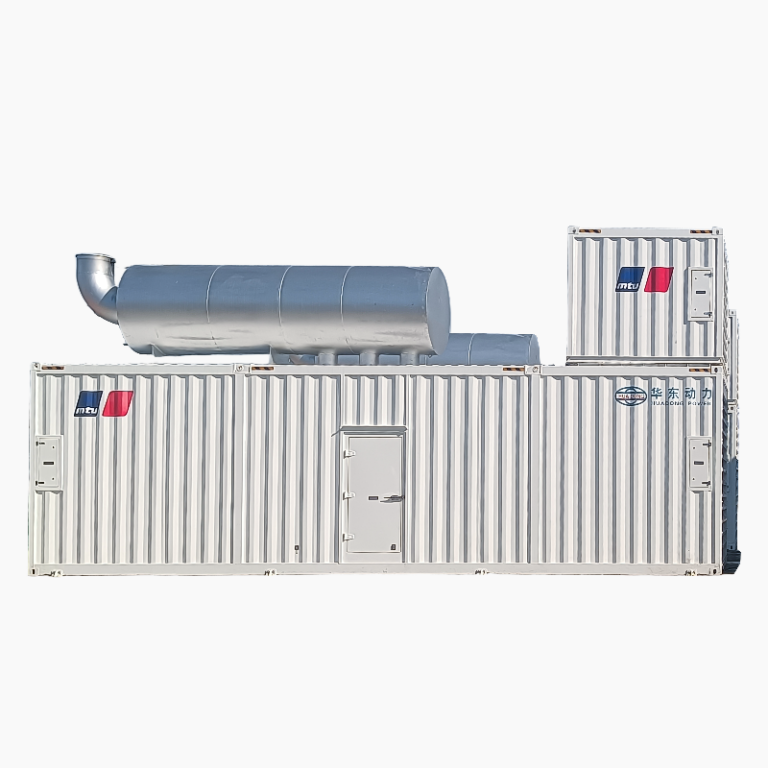
3. Verify support network: confirm local trained technicians, guaranteed parts lead times, and remote diagnostic access for firmware-level troubleshooting.
Choose a partner that meets those rules; the right manufacturer turns specification into predictable operation. For practical deployments and tailored product lines, consider vendors with proven field records like Huadong Power. —