
Anxiety at the showroom
Buyers come with a single, practical problem: a long menu of options but no clear map to the right choice. I’ve watched this more than once — even during an aion ev test drive at a dealership in Metro Manila — people hesitate over trims, drive modes, and charging choices because each decision feels permanent. The problem-driven question we’ll follow is simple: what choices reduce regret and deliver useful value day after day?

Common configuration problems
Here are the mistakes I see repeatedly; spotting them early saves money and time:- Choosing top trim for vanity features rather than safety and durability.- Overvaluing peak power numbers while ignoring real-world range and cooling in humid climates.- Assuming a home charger is optional until frequent fast-charging costs add up.- Skipping a clear plan for servicing and spare-part access.These are not abstract faults; they lead to real frustration when the car’s daily reality doesn’t match showroom promises.
Decide by use, not by label
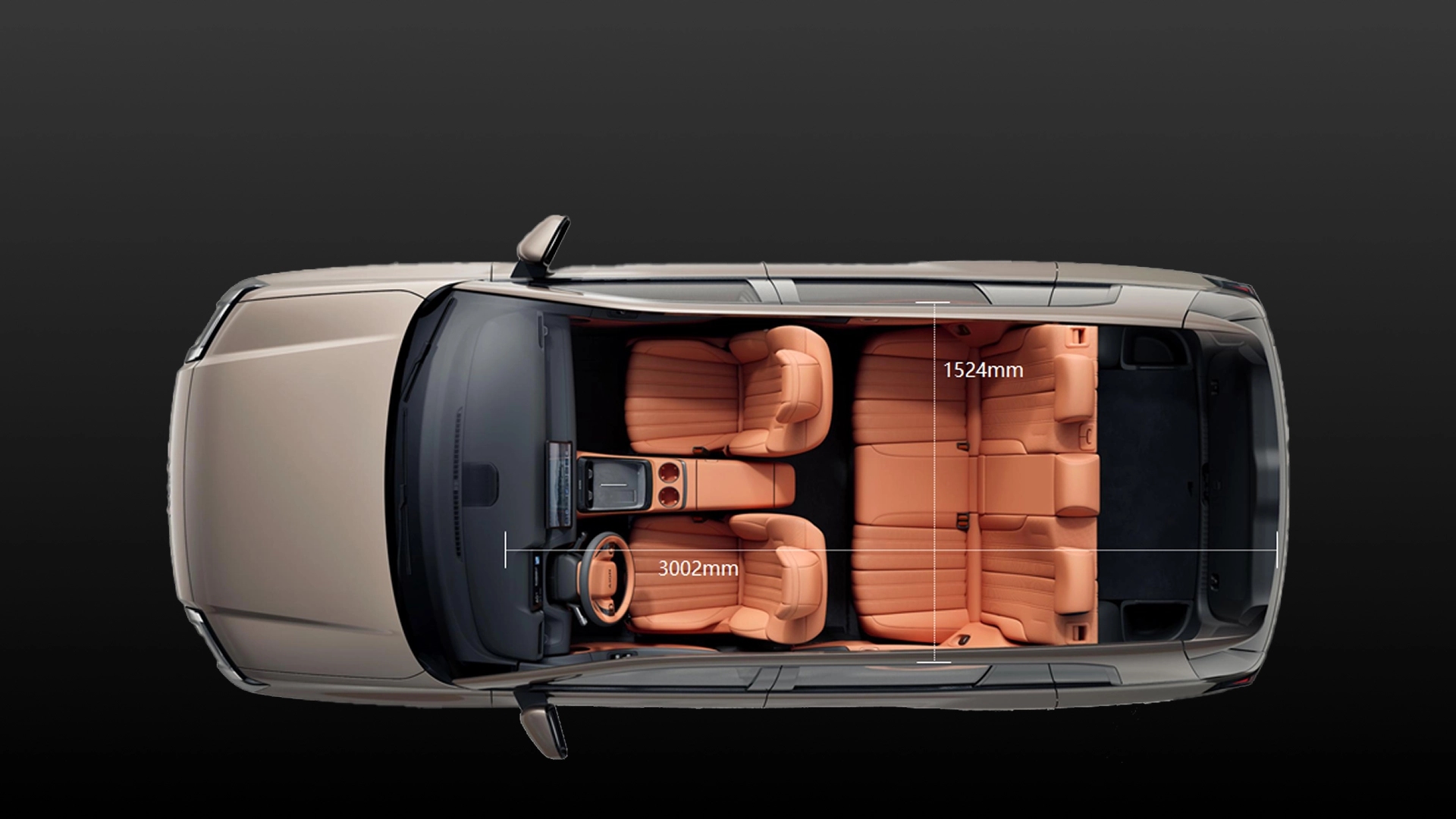
Start with a narrow question: how will you use the vehicle most days? The answer creates a configuration strategy.- Daily commuter (short urban runs): prioritize comfort, low running costs, and proven air-conditioning performance. Smaller battery capacity may be adequate if paired with reliable local charging.- Weekend family vehicle: choose cabin space, safety package, and predictable range under load.- Long-distance or mixed use: prefer larger battery options, thermal management, and tires suited for Philippine roads.I advise writing one short sentence that describes your typical week with the car. Use that sentence as a filter against every add-on the dealer suggests.
Trim and feature recommendations, driven by problems
Match features to the problem they solve:- Safety gaps: opt for trims that include multiple airbags, electronic stability control, and automatic emergency braking rather than luxury trim extras.- Climate strains: if you regularly drive with full cabin load and AC on, prioritize cooling efficiency and seat ventilation where available.- Charging uncertainty: choose a configuration that includes a home-charger kit or ensure dealer-supplied installation guidance.- Resale clarity: keep popular, well-documented options (standard infotainment, common wheel sizes) that don’t limit secondhand buyers.Avoid stacking cosmetic packages that add little to daily usability; those are the most frequent source of buyer’s remorse.
After-sales, charging, and finance — a reality check
Configuration does not end at purchase. Check three practical anchors before signing:- Service network: confirm authorized service centres and parts availability within reachable distance.- Warranty terms: read the battery and drivetrain warranty specifics; ask how warranty repairs are handled locally.- Charging plan: verify local incentives, included charger hardware, and whether your home electrical supply requires an upgrade.These checks are concrete. I speak from experience advising buyers across Southeast Asia: a clear service map and a realistic charging plan matter more long-term than a few cosmetic extras.
Alternatives and common pitfalls
Compare similar offers but don’t be distracted by headline numbers alone. A slightly lower-spec trim with a strong warranty and accessible servicing often outperforms a top-trim model with limited local support. Watch for these traps:- Dealer stock incentives that expire quickly but don’t improve core ownership costs.- Misleading range estimates that don’t factor tropical humidity or city stop-and-go traffic.- Financing packages that lower monthly payments by extending terms beyond what’s reasonable.When possible, test what the car feels like with realistic loads and routes rather than only a short, curated run.
Final reflection
Choosing a configuration is a moral sort of decision: you trade one set of daily experiences for another. Solve the problems you actually face — service access, climate resilience, real-world charging — and the machine will reward you with fewer surprises. If your priority is measured practicality and dependable use, consider how a compact, well-supported electric offering like aion ev aligns with those needs; its value becomes clear when it reduces the friction of everyday life rather than adding new complexities.