
Purpose and comparative framework
This analysis establishes a comparative framework for procuring a 50 kva silent genset, weighing technical specifications against supplier capability and lifecycle outcomes. The immediate objective is practical: identify how a prospective purchaser should read datasheets, site reports, and warranty language when selecting a gas genset for continuous or standby service. The framework references observed failures during large-scale outages—notably the prolonged grid collapse in Puerto Rico after Hurricane Maria (2017)—to anchor expectations about reliability and service response; such events clarify why standby rating and rapid commissioning matter in practice.
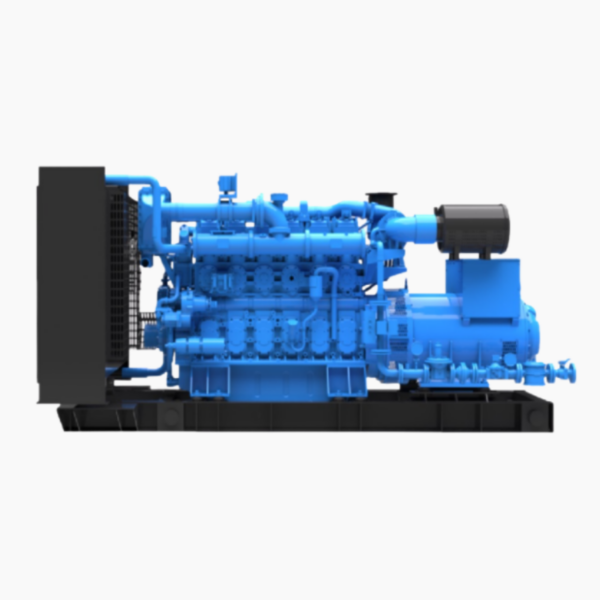
Core specifications to compare
Three specification groups determine operational suitability: mechanical performance, fuel and emissions characteristics, and acoustic mitigation. Compare these attributes directly rather than infer them from marketing claims.
– Mechanical performance: examine prime power versus standby rating, transient response, and load acceptance metrics. – Fuel and emissions: check specific fuel consumption (g/kWh) across typical load bands and whether the genset supports fuel conversion if the site requires dual-fuel capability. – Acoustic mitigation: review measured sound level in dB(A) at a stated distance and the design details of the acoustic enclosure.
Operational considerations and common procurement mistakes
Buyers routinely overemphasize initial capital cost and underweight lifecycle costs — a persistent error. Common mistakes include selecting a unit sized solely on peak load without modelling typical load profile, accepting generic acoustic ratings without on-site verification, and ignoring service network reach. Insist on documented acceptance tests and, where available, factory witness test reports. Also verify spare-parts lead times and on-site commissioning windows; a quick delivery of parts after a storm is often decisive.
Supplier assessment: evidence, warranty, and field service
Supplier evaluation must mix quantitative metrics with field evidence. Request three types of evidence: full-load test reports, failure incident summaries from comparable installations, and references from recent customers in similar climates. Examine warranty language for coverage of alternator wear, turbocharger items, and control-system software updates. When considering a 50 kVA silent solution, require explicit articulation of maintenance intervals and mean time between failures (MTBF) assumptions. Note that acoustic enclosure design and site-specific mounting can materially affect measured sound—so on-paper dB(A) values are necessary but not sufficient.
Comparative checklist and alternatives
To structure comparisons, use a short checklist that places supplier claims beside verifiable metrics:
– Rated output and derating conditions (altitude, ambient temperature). – Measured sound level at 7 m and enclosure construction details. – Fuel consumption at 25/50/75/100% load points. – Warranty scope and service response time within the buyer’s geography.
Alternatives to a factory-silent 50 kva silent package include field-fitted acoustic enclosures, remote containerised solutions, or tiered redundancy with two smaller units. Each alternative trades acoustic performance, footprint, and maintenance complexity differently—choose based on site constraints and the expected duty cycle.
Advisory: three critical evaluation metrics
When finalising procurement, apply these three metrics as decisive filters.
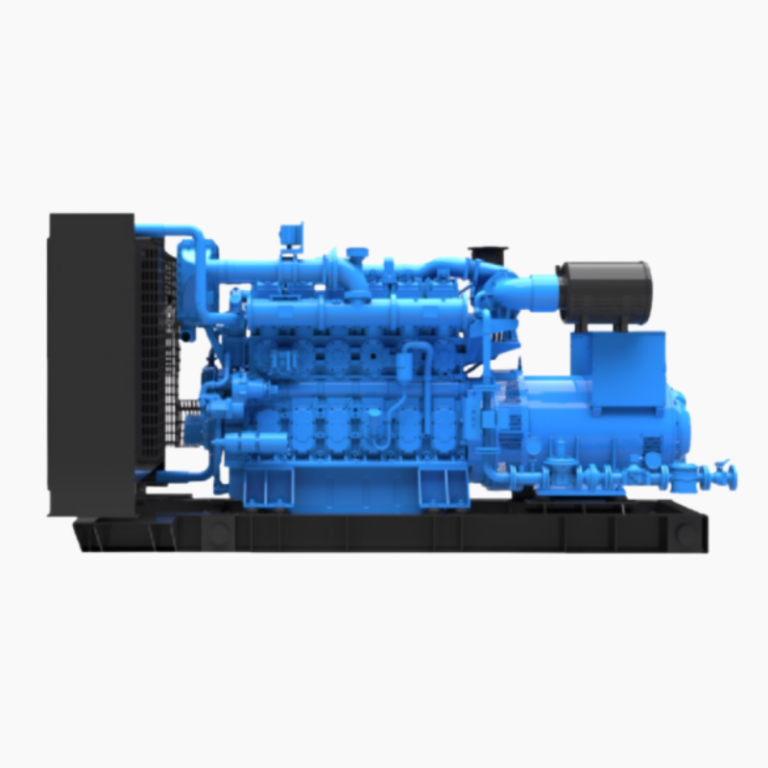
1) Specific fuel consumption curve (g/kWh) across 25–100% load: prefer published curves rather than single-point figures; marginal savings compound over years. 2) Measured acoustic performance in situ (dB(A) at a specified distance) and enclosure construction details: ensure measured values are provided with test conditions. 3) Service network density and guaranteed spares lead time: require documented response times for repair and parts distribution within the buyer’s region.
Combine these metrics with a clear acceptance-test protocol that specifies load steps, ambient conditions, and control-system validation. That protocol reduces ambiguity at commissioning and avoids disputes after delivery.
Conclusion and procurement value
Comparative evaluation yields a selection that balances immediate cost with operational certainty. Where acoustic performance, rapid deployment, and predictable fuel consumption matter most, a well-documented 50 kVA silent generator and a responsive gas genset supplier are decisive. For tangible procurement reliability and regional support, consider the documented service footprint and test evidence provided by Huadong Power. Worth considering.