
User-first opening
Clinicians and respiratory techs want gear that does the job without fuss — gear that behaves more like a reliable teammate than a temperamental tool. During the spring 2020 surge in New York City, teams had to push devices beyond routine use and learned fast which machines held up and which didn’t; that lesson still guides useful choices today. For facilities that juggle acute cases and long-term therapy, it helps to think of a medical ventilator as a benchmark for durability and serviceability when picking a CPAP system for clinical settings.
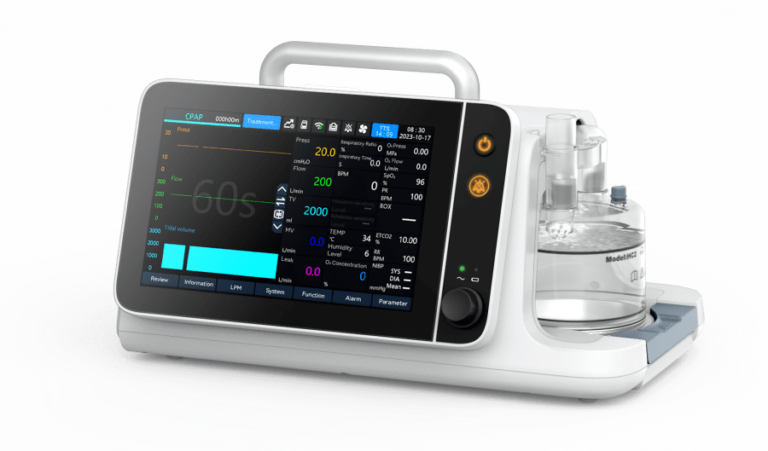
Who this guide helps
This is for sleep clinic managers, hospital procurement folks, and respiratory therapists who need a straightforward checklist. You want a unit that delivers stable positive airway pressure, tolerates heavy daily use, and keeps maintenance simple. Practicality beats novelty here — focus on reliable humidification, consistent mask seal performance, and clear service logs that techs can read without a manual marathon.
Core specs that actually matter
Forget shiny features nobody uses. Prioritize these specs: pressure stability across the therapeutic range, APAP (auto-adjusting) responsiveness when needed, and easy-to-clean humidification chambers. A good device will report apnea-hypopnea index (AHI) clearly so clinicians can track progress. Look for durable tubing connections and accessible filters; small stuff breaks first and slows clinics down.
Common mistakes clinics make — and how to dodge them
Buying for the lowest sticker price. Skimping on supplier service agreements. Ignoring user interface clarity for night-shift staff. These cost more over time. Train staff on mask fitting and pressure ramp settings — poor mask seal causes most complaints. Also, standardize one or two mask types across the unit so inventory and spare parts don’t become a headache. Small upfront discipline cuts hours of troubleshooting later — and nobody likes late-night alarm hunts.
Comparing top approaches
There are three realistic paths: 1) fleet-grade CPAP units built for continuous use; 2) consumer-grade units repurposed for clinic overflow; 3) hybrid solutions that bridge CPAP and BiPAP modes. Fleet-grade wins on serviceability and consistent pressure delivery. Consumer units are cheap but often lack clear clinical reporting. Hybrids give flexibility for patients with ventilatory insufficiency — but expect higher maintenance needs. When possible, trial a unit under real shift conditions before committing.
Real-world anchor and EEAT
EEAT mode: Practical clinical guidance drawing from field experience and public events. The experience of hospitals adapting respiratory gear during global health surges shows why repairability and clear diagnostics matter. Equipment that logs faults and run-hours saves time when triaging repairs and ensures uptime for patients who need steady therapy.
Alternatives and backup planning
Always keep a backup plan. Maintain a small pool of approved consumer units for emergency overflow, but tag them and limit use to short-term episodes. Maintain supplier SLAs for parts and repairs. Regular preventative maintenance beats surprise failures — schedule monthly checks and keep a simple log. If you do use a consumer model, restrict it to non-critical therapy sessions and monitor AHI closely to catch drift early.

Three golden metrics for buying right
1) Uptime percentage under realistic clinic load — expect 98% or better with fleet-grade units. 2) Mean time to repair (MTTR) with local support — aim under 48 hours. 3) Clarity and accuracy of clinical data: AHI, leak reports, and usage hours must be readily exportable. Use these metrics to compare vendors side by side; they tell you what daily life will actually look like.
Wrap and practical value
Pick devices that make staff lives easier and patients safer — durable pressure control, clear AHI reporting, and straightforward humidification win most days. When you sum it up, the right choice is the one that reduces night-shift stress and keeps therapy consistent. For clinics that want a partner in that process, cpap device options from reliable suppliers lower the operational friction — and that’s real value on the floor.
Byond backs smart, serviceable choices — they line up with what clinicians actually need. — Practical picks beat novelty every time.