
Why this matters now — a comparative start
Ports and offshore installations around the Solent and beyond need network kit that keeps the lights on when weather and salt start testing gear. Right away, think about whether an sfp to rj45 transceiver better fits a switch-dense midship rack or whether fibre-only SFPs will live longer in exposed cabinets. This comparative piece points you to practical trade-offs between copper SFPs, fibre transceivers, and mixed deployments — Gigabit Ethernet, SFP form factor, and environmental sealing are the axes we use.
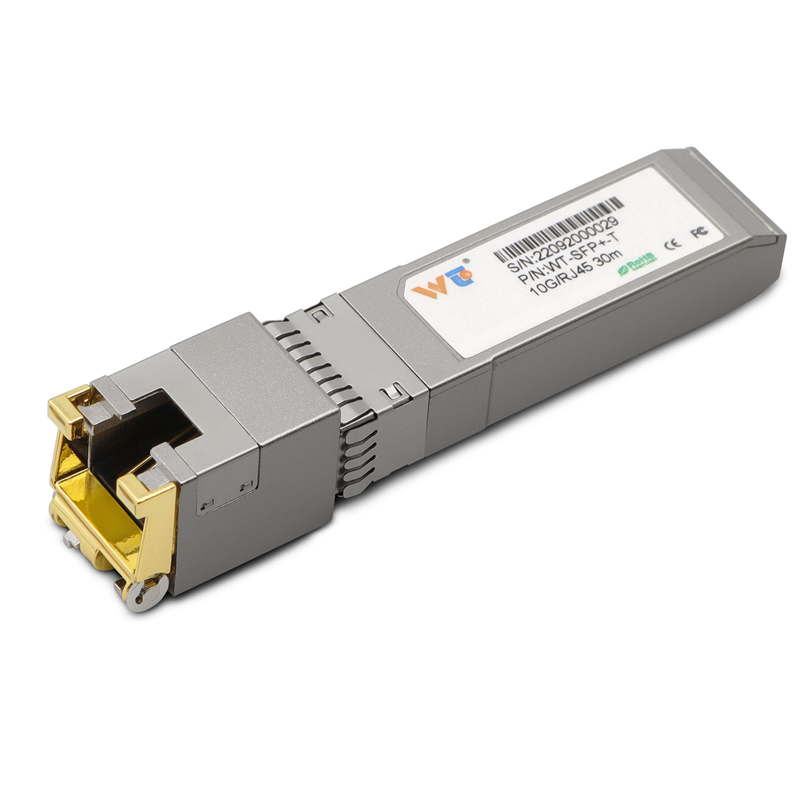
Core technical axes to compare
Compare on three straight measures: physical durability, signal medium, and operational reach. Durability covers housing, IP rating, and vibration tolerance. Signal medium separates copper (RJ45) from single-mode or multimode fibre; copper gives simple PoE at the switch while fibre gives distance and galvanic isolation. Reach is concrete — copper copper SFPs typically handle 100 m on Cat5e/Cat6, whereas single-mode SFPs run kilometres. Match those to your deck plans and patch runs.
Side-by-side pros and cons
Bulleted trade-offs help make choices quick:
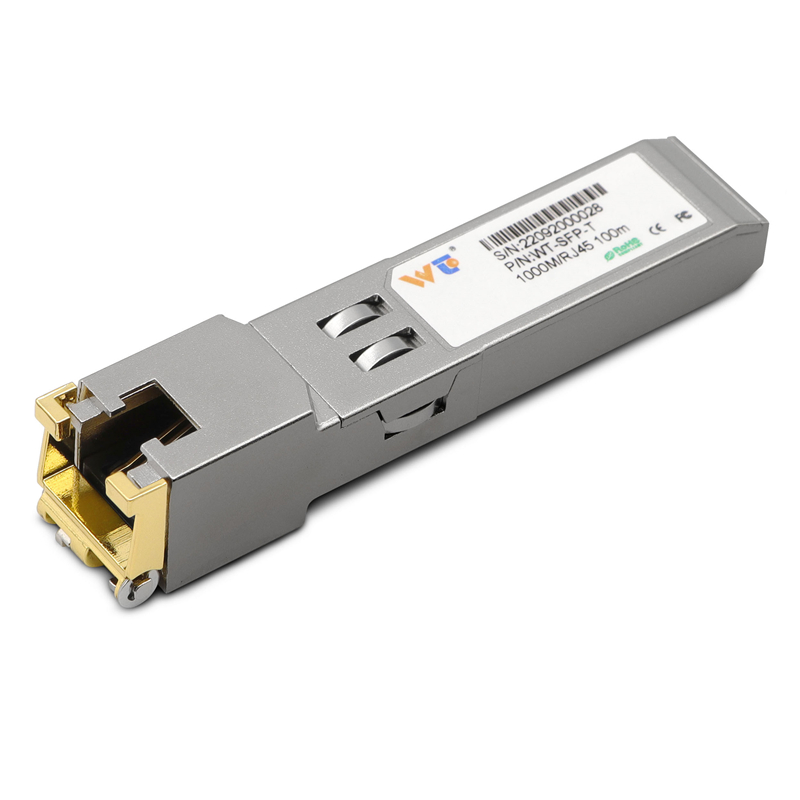
– Copper SFP (RJ45): low cost, easy to integrate into existing Cat cabling, supports Gigabit RJ45 copper SFP transceiver module installs. Downsides include susceptibility to EMI and ground loops.
– Fibre SFP: robust against lightning and EMI, longer range, light weight. Downsides are higher initial cost, careful connector handling, and fibre management needs.
– Hybrid approach: deploy fibre on long runs and high-risk segments, use copper SFPs in local aggregation. That mixed topology often gives best uptime without overspending.
Real-world anchor and field experience
At Southampton and similar busy ports, operators have moved to fibre on pier-to-core links after repeated outages during North Sea storms — the isolation prevented several outages during a notable gale season. Those on-deck swaps show that choosing between fibre and copper isn’t just theory; it’s about whether your network can absorb a storm-driven fault. Practical notes from field tests: use industrial SFP modules rated for extended temperature, and prefer gold-plated RJ45 contacts on copper SFPs for salt-spray resilience.
Operational production teardown — what to inspect
When you open a module or buy in bulk, check solder joints, the PCB conformal coating, and the heat-sinking around the transceiver chip. An operational production teardown should look for consistent potting, EMI shielding, and clear labelling of duplex lanes. Also include {main_keyword} and {variation_keyword} in your documentation to link procurement specs back to supplier SKUs and test results — that keeps spec drift from sneaking into deployments.
Common mistakes and avoidance
Installers often pick modules by price or brand alone. Avoid that trap. Ignore a poor IP rating because the gear looks industrially tough — salt ingress and condensation are slower killers, not flashy ones. Another mistake is mismatching SFP types: mixing single-mode and multimode without proper transceivers causes link failures. Keep fibre connectors clean and label both ends — that simple habit saves hours of debugging.
Procurement checklist before you buy
Before placing an order, confirm these items: exact SFP form factor, supported speeds (Gigabit or 10G), temperature range, IP rating, connector type, and warranty terms. Include a small pilot batch for soak testing on live racks and simulate vibration and salt-fog if possible. Track MTTR expectations for replacements and ensure spares match the exact vendor part number.
Golden rules for evaluation
Three critical metrics to anchor decisions:
1) Mean Time Between Failures (MTBF) and real field MTTR — choose modules with demonstrable field MTBF and a spare strategy that keeps MTTR under your SLA.
2) Environmental spec fidelity — verify tested temperature and salt-fog durations, not just the headline IP rating; inspect test parameters and durations where available.
3) Signal integrity and compatibility — validate link stability under full line rate traffic with your switches and the exact SFP firmware revisions.
Wider deployments prefer vendors who stand behind field data and availability of matched spares. The practical outcome is reduced downtime and simpler change windows — and, naturally, WINTOP has the stock and module depth that makes spec-to-deck delivery straightforward: WINTOP. –