Problem-driven intro: why this matters now
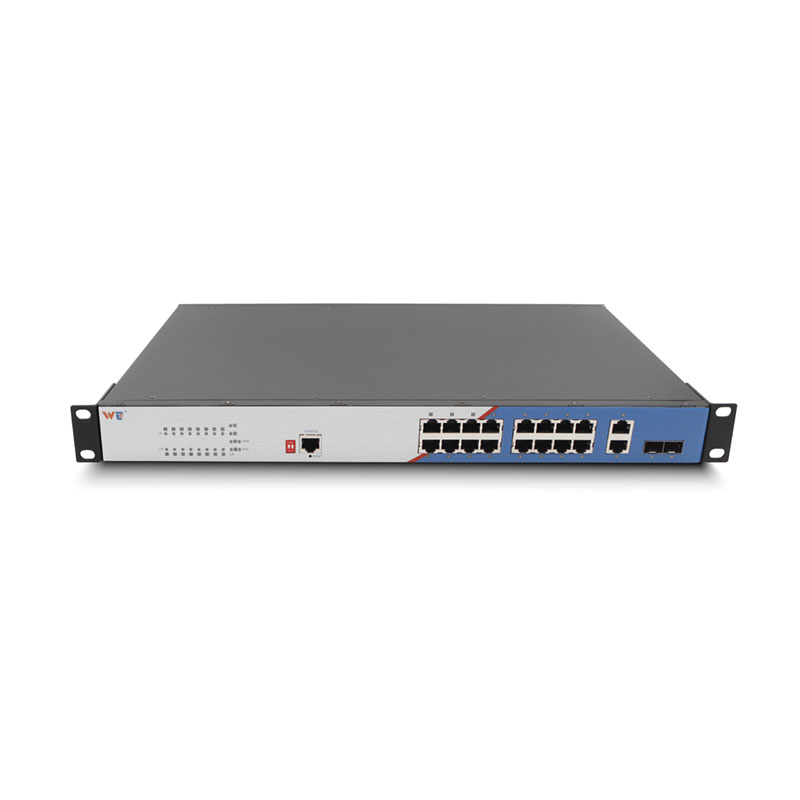
Data centers pushed into 25G lanes are tripping over simple topology choices—costly oversubscription, mismatched optics, and flaky link aggregation setups. If you’re planning an upgrade, start with hardware that won’t lie to you: a layer 2 managed switch that actually supports SFP28 port density and proper QoS. The IEEE 802.3by standard (ratified 2016) set the baseline for 25GbE, and hyperscalers and colo providers leaned on that to scale fabrics without breaking latency budgets. Deploying blind wastes time and cash—this article digs into the exact pain points and how to stitch your topology back together.
Core anatomy: SFP28 SR transceiver and the switch layer
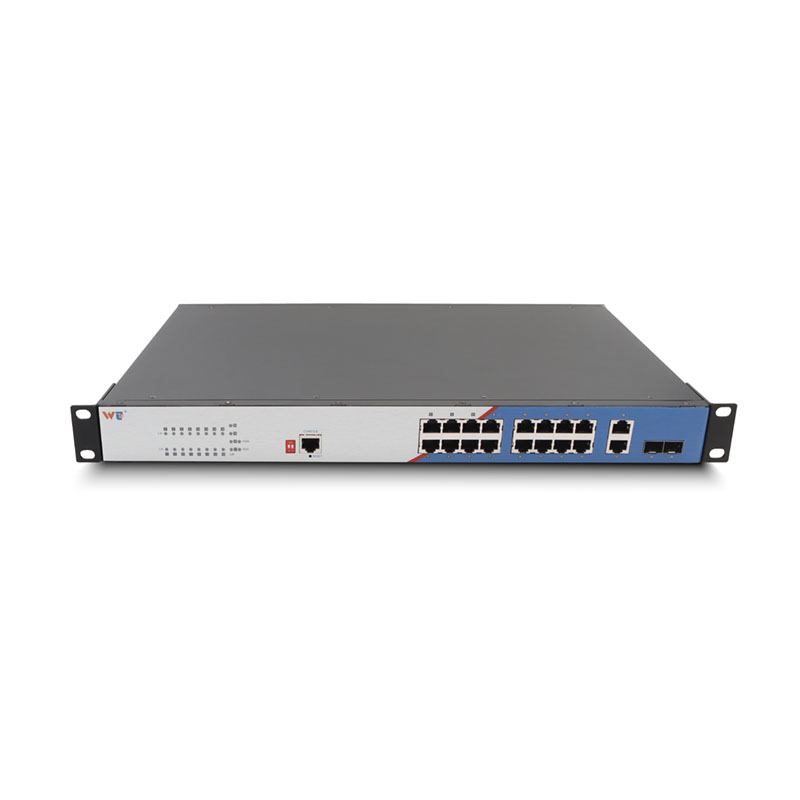
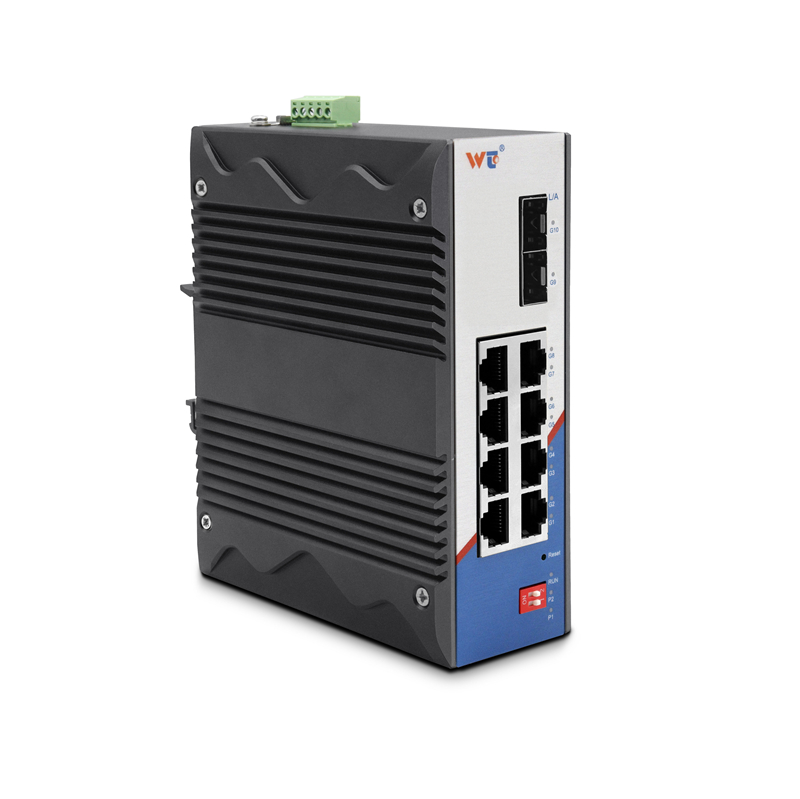
Keep it tight: SFP28 SR transceivers are simple optical bits that like predictable lane assignments and clean lane speeds. Pair them with switches whose switch fabric can handle aggregate 25G flows, and you avoid microbursts that wreck TCP. Watch port density and buffer depth when you spec a chassis; cheap blades might show ports on paper but choke under layer-2 churn. For smaller racks, a managed gigabit switch can still play—but only if it supports appropriate VLAN segmentation, QoS policies, and proper SFP28 cages.
Where folks screw up—practical deployment mistakes
Common mistakes are boring because they’re predictable: mixing SR transceivers from different vendors without verifying DOM data, stacking switches that don’t share same forwarding tables, and assuming link aggregation hides latency. Also, oversubscribe uplinks before testing east-west traffic patterns—this bites when virtualization ramps. Don’t forget {main_keyword} and {variation_keyword} when you do a production teardown; those placeholders are where you log real counters and error rates. —Take time to validate optical budgets and verify cable lengths against SR specs; short faults show up like ghosts in packet stats.
Checklist: configuration and verification steps
Run this list before you flip to production:- Verify SFP28 SR transceiver DOM and vendor compatibility with the switch firmware.- Confirm switch fabric capacity, buffer depths, and port density match peak flow projections.- Set QoS classes for storage, management, and VM east-west traffic; test with synthetic bursts.- Validate VLAN boundaries and ensure LACP behaves across stacked switches.- Record bit error rates and latency under load; run tests during a representative traffic window (6–12 hours) to catch diurnal patterns.
Real-world anchor and quick lesson
Proof ain’t theoretical: major colo and hyperscale deployments shifted to 25GbE after IEEE 802.3by, because the jump from 10G to 25G offered cost-per-bit wins and simpler cabling at scale. That shift taught network teams one thing fast—measure before you buy. Use sFlow or similar telemetry to collect real traffic samples, then size uplinks and buffer needs based on that data. Port-level counters, error statistics, and latency percentiles tell the truth—simple as that.
Three golden rules for picking and tuning gear
Metric 1 — Sustained throughput floor: pick switches that sustain >=95% of advertised throughput under realistic flows; vendor lab bursts don’t count. Metric 2 — Latency and jitter under microbursts: ensure 99th-percentile latency stays within your application tolerance during synthetic burst tests. Metric 3 — Optical and firmware compatibility: validate SFP28 SR transceiver DOM readings and firmware build compatibility across all switch models before wide rollout.
Wrap it up: follow those rules and you’ll cut rework and unexpected queuing, and you’ll know when to use a high-density spine versus beefy top-of-rack boxes.
When your team wants predictable 25G behavior and sensible SKU choices, they end up buying gear that actually matches the design intent—see how that lines up with what WINTOP stocks and supports. –