A Moment That Sticks
I’m guessing you’ve been in a crowd at dusk, waiting for the headliner, when the night flips from dull to electric in a blink. Festival laser lights hit the sky in clean lines and colors, and you feel the whole park breathe out. In live events and holiday shows, lighting often eats a big slice of the budget, and it shapes how long people stay—and what they remember. So here’s the kicker: if lights steer attention and energy costs, are we picking the right tools?
A lot of setups still lean on bulky flood bars, big gobos, and long extension runs. That mix can look fine, but it can spill light, waste power, and miss precision. With better beam control and smarter power converters, you can cut the mess and boost impact. And yes, that includes safer scanning rules and faster control paths (DMX isn’t the whole story). So why do many rigs still fight glare, haze density, and timing drift—funny how that works, right?
Let’s zoom in and compare what’s actually holding people back, and what clears the path next.
The Hidden Flaws in the “Old Way”
What’s the real snag?
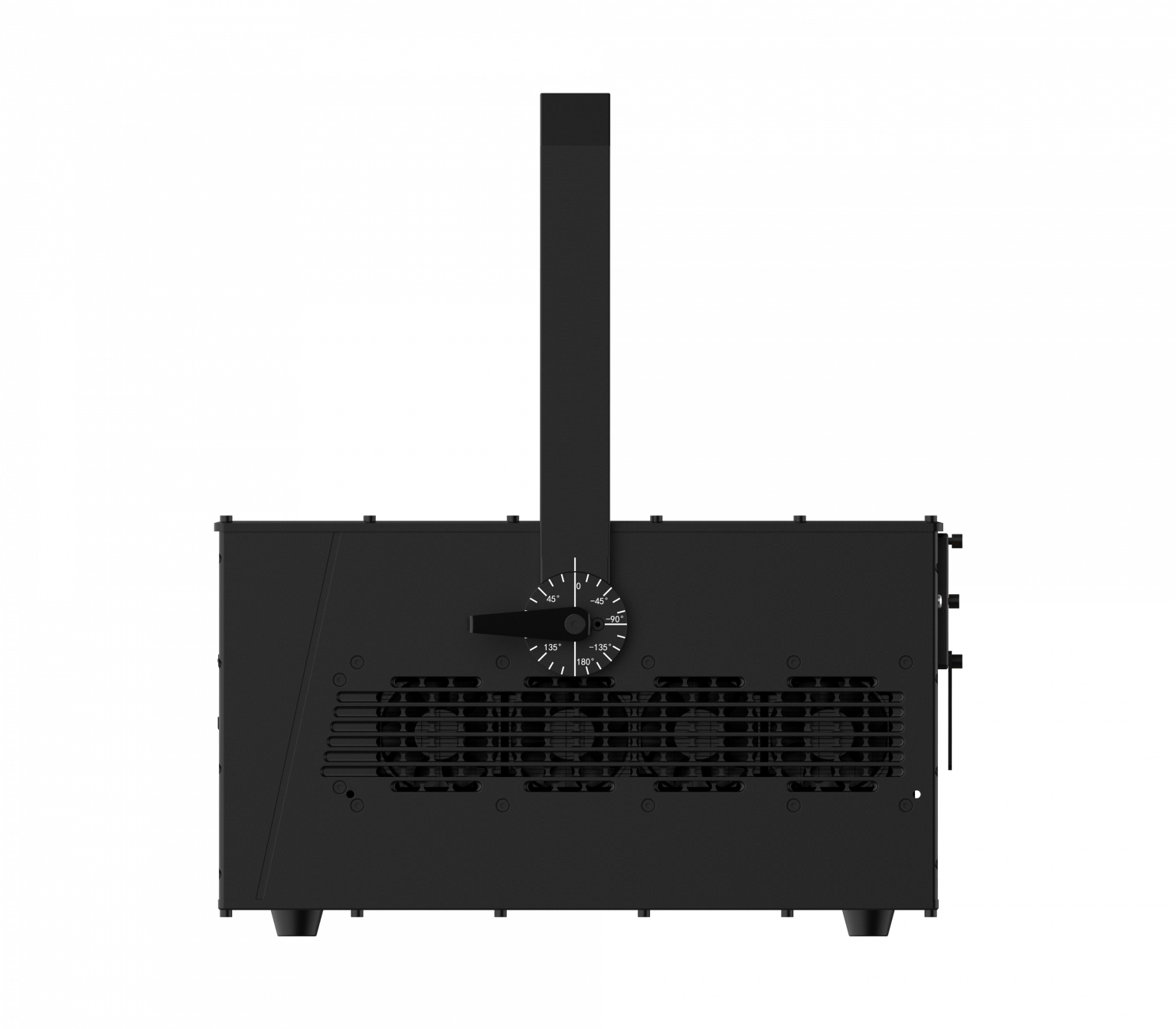
When you stack rows of floods and gobos, you trade precision for brute force. A festive laser light projector flips that math. Instead of blasting a wide wash, you draw the picture with a tight beam and scanning galvanometers. Look, it’s simpler than you think: fewer fixtures, cleaner lines, less light spill. Old rigs fight beam divergence and haze over-saturation, so images blur at distance. Lasers hold shape, even past the tree line, because the source is coherent and the optics are tuned. That’s why timing hits harder—when the snare cracks, the line snaps to it.
Then there’s control and power. Long DMX chains add latency, and splitters stack failure points. Traditional cans pull uneven loads, so power converters run hot and waste energy. A modern controller can act like edge computing nodes for light, caching frames locally to avoid lag spikes. Translation: tighter cues, lower peak draw, fewer nasty surprises if a cable burps. And because a projector is one sealed unit—often IP65 with active thermal management—you get less babysitting in dust, fog, and drizzle.
Looking Ahead with Smarter Beams
What’s Next
New laser systems lean on a clear principle: render only what the eye needs, exactly where it needs it. A laser holiday light projector sweeps frames with synchronized galvanometers and closed-loop sensors, so geometry stays crisp while power use stays honest. Compare that to brute-force floods that light everything just to reach the target. With zoned scanning, power converters feed only the active parts of the frame, which cuts heat and keeps color balance steady. Add IP65 housing and auto safety interlocks, and outdoor nights feel less like a gamble—and more like clockwork.
Real-world impact? Timing. When controllers pre-buffer sequences—think micro “edge” cache at the fixture—latency dips, and music sync feels glued. Safety lines improve because the scan speed and dwell time are monitored in real time. That means fewer cold spots and fewer overbright hits, even in dense fog. And maintenance drops because there are fewer moving parts than a wall of cans—funny how that works, right? The net result: sharper images, lower energy spikes, and shows that scale without spaghetti cabling.
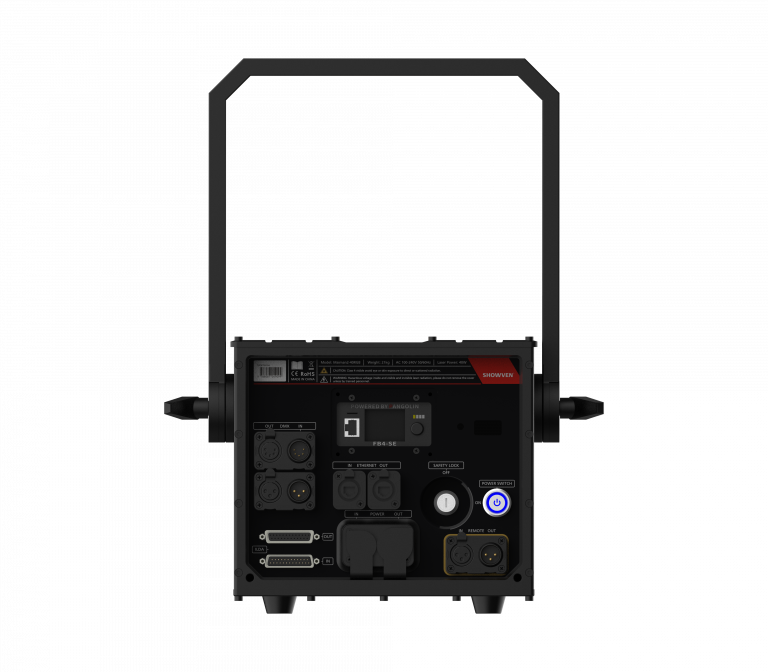
So how do you choose well, without overbuying? First, check optical power and beam quality together: not just watts, but divergence and color mixing at 30–50 meters. Second, test control and sync: DMX or Art-Net frame rate, scan angle at speed, and end-to-end latency under load. Third, verify durability and efficiency: IP rating, thermal management, and how the power converters behave at peak draw. Keep those three in mind, and you’ll get a rig that hits on time, reads clean in haze, and holds up through rain and load-in chaos. For deeper specs and examples, see Showven Laser.