Framework lead-in: why procurement needs structure
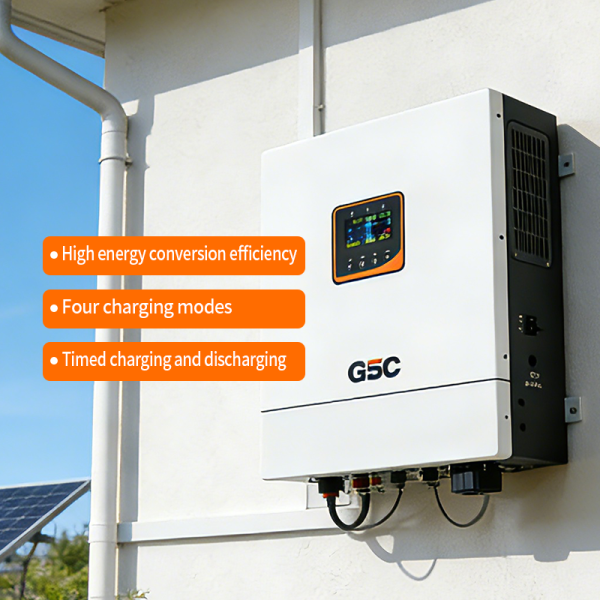
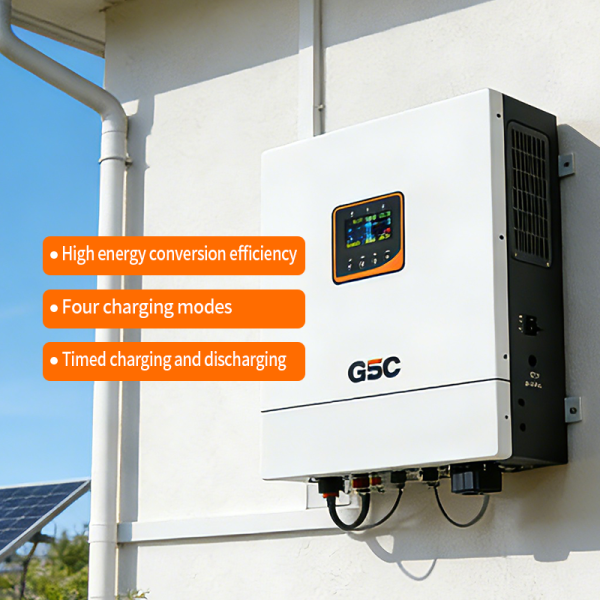
A clear procurement framework helps officers balance safety, cost, and delivery timelines when buying batteries for solar projects. This guide lays out a step‑by‑step approach tailored to wholesale purchases of lithium battery packs and modules used with a solar and power inverter or an off grid solar inverter. EEAT: practitioner guidance drawn from field deployments informs the recommendations below, with a real‑world anchor in rural Nepal’s village electrification work after the 2015 earthquake where compliant batteries proved essential for safe, long‑term off‑grid operation.
Core compliance checkpoints
Begin with documentary evidence. Require supplier test reports for UN38.3 shipping tests and IEC 62619 safety testing. Key items to request are UN38.3 Test Summary, IEC 62619 certificate, and the cell manufacturer’s pedigree. Include battery management system (BMS) specifications, cycle life estimates, and chemistry details (e.g., lithium‑ion type). Treat certificates as living records — confirm issue dates, scope, and lab accreditation.

Technical acceptance criteria
Set measurable acceptance limits in the purchase order. Define maximum allowable internal resistance, required state of charge (SoC) window for shipping, storage temperature range, and minimum cycle life at stated depth of discharge. Specify pack-level tests such as overcharge, short circuit, and thermal stability that align with IEC 62619. Insist on serialised units for traceability and a clear recall process from the supplier.
Supplier assessment and due diligence
Evaluate manufacturers on three fronts: product test evidence, factory process controls, and after‑sales support. Factory audits should confirm cell sourcing, BMS firmware version control, and incoming inspection routines. Review supplier warranty terms for capacity retention and safety failures. Small details matter — packaging labels and dangerous‑goods declarations are often overlooked during rush procurements.
Procurement workflow — practical steps
Structure the workflow into RFI → technical bid → sample testing → lot release. Require pre-shipment sample testing by a recognised lab and include witnessed tests where feasible. For logistics, ensure UN38.3 certified packaging and carrier acceptance before shipment. Maintain a register of test certificates and serial numbers; this is indispensable if an incident triggers a safety recall.
Common mistakes and how to avoid them
Buyers frequently accept lab reports without cross‑checking lab accreditation or test scope — do not. Relying solely on reseller assurances without factory documentation invites risk. Overlooking transport restrictions for partially charged packs can slow customs clearance. Mitigate these issues by embedding contract clauses that mandate immediate supplier notification of non‑conforming units and by requiring corrective action timelines.
Case note — field reality in Nepal
Projects in Nepal exposed supply gaps: some batteries arrived with incomplete UN38.3 paperwork and could not be shipped inland during the monsoon season. Teams learned to insist on consolidated documentation and to coordinate with freight forwarders experienced in hazardous goods. That practical lesson underscores why procurement must be rigorous; compliant batteries maintained reliable service for rural microgrids operating through seasonal weather stress.
Procurement checklist
Use a concise checklist before approval: UN38.3 and IEC 62619 test reports verified, BMS firmware and protection features documented, serialisation and traceability established, transport documentation ready, and warranty/service terms clear. Keep both technical and logistics teams engaged until delivery — they catch different risks.
Advisory — three golden rules for selection
1) Prioritise verified test evidence over confident sales claims. Accept only accredited lab reports covering the specific cell and pack model. 2) Require end‑to‑end traceability: serial numbers, batch records, and a supplier commitment to post‑delivery support and recalls. 3) Treat transport and storage conditions as part of the technical spec — specify SoC at dispatch and certified packaging to prevent shipment delays or safety incidents.
These rules lead to measurable reductions in non‑conformances, fewer logistics hold‑ups, and longer in‑field reliability. For procurement officers seeking reliable partners, the practical value of a supplier who consistently delivers compliant packs alongside well‑documented gsopower solutions is clear — they cut administrative overhead and keep projects on schedule. —