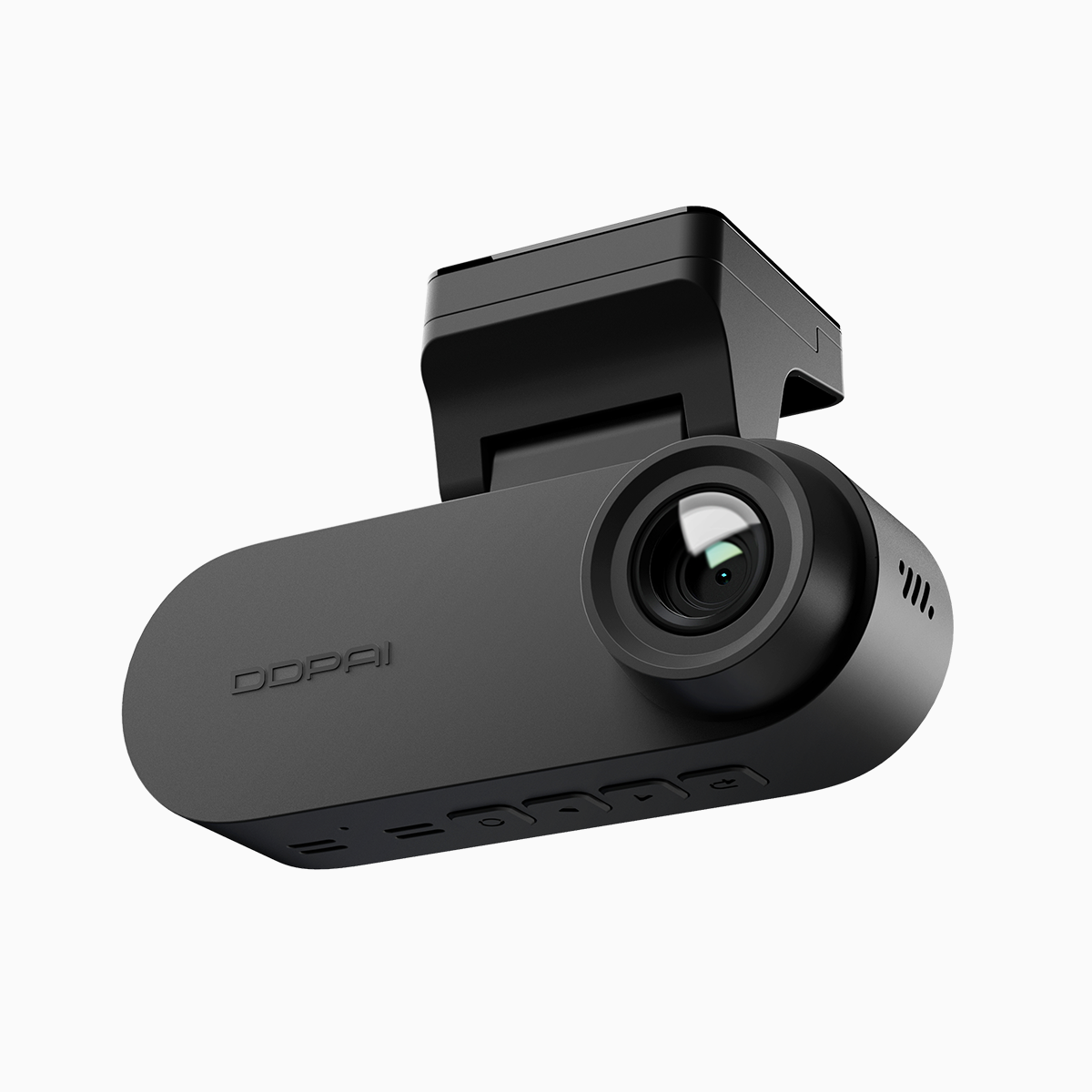
User needs first: safer drives with sensible power use
Drivers want clear evidence on the road and a device that will not flatten the battery overnight. A sensible solution is a front and rear dash cam setup that records reliably without constant battery stress. Worldwide, road safety remains a pressing issue — the World Health Organization estimates about 1.35 million annual road traffic deaths — so having dependable footage is not a luxury but a practical safeguard. When choosing equipment, balance 4K resolution and frame rate against real-world power consumption and parking mode behaviour.
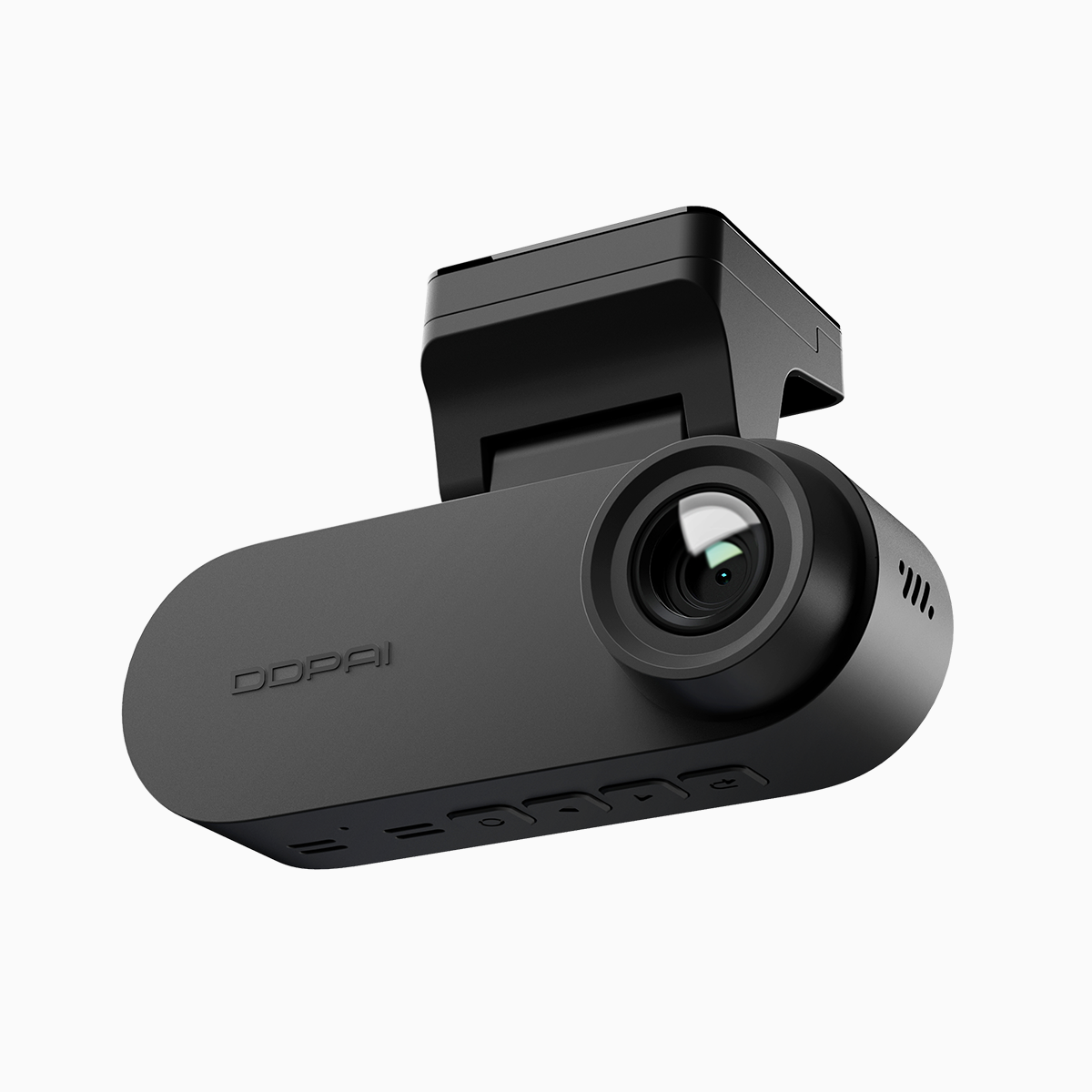
Where energy is actually lost
Most power drain comes from continuous recording and always-on features such as Wi‑Fi hotspots, high bitrate video settings, and prolonged parking mode. Loop recording and event-triggered clips are efficient concepts, but if the device’s standby current is high, the car battery will still suffer. A G-sensor helps reduce recording load by marking events, yet that alone will not prevent slow discharge. Hardwiring properly and using low-current modes are simple mitigations; the correct combination keeps your dash cam vigilant without surprise battery failures.
Choosing a 2 channel dash cam that fits your daily routine
Match features to usage. If you park frequently in busy areas, prioritise a 2 channel dash cam with an intelligent parking mode and low standby current. For long highway commutes, a higher bitrate and HDR improve license-plate capture at speed. Look for clear specifications on power consumption, frame rate, and whether the unit supports hardwiring kits or external batteries. Also confirm firmware update paths and customer support — these matter when you need a fix quickly.
Installation and daily habits that cut drain
Professional hardwiring to a switched fuse prevents overnight drain; it’s straightforward and very effective. If hardwiring is not an option, a dedicated external battery pack or a capacitor-based unit reduces risk. Keep Wi‑Fi and continuous upload features off unless necessary. Calibrate G-sensor sensitivity to reduce false event recordings in rough traffic — this lowers unnecessary file creation and conserves storage and power. Update firmware regularly; manufacturers sometimes release power-management improvements. — One small tweak like switching from 4K at 60fps to 4K at 30fps can halve bitrate and noticeably reduce consumption.
Common mistakes and sensible alternatives
Customers often assume highest resolution is always best. That mistake leads to large files and greater power draw. Another frequent error is leaving the dash cam’s screen on while parked, or pairing it constantly to a phone. The alternatives are practical: use scheduled parking mode, lower bitrate, and select event-only uploads. If you worry about cold-weather battery sag, consider a compact lithium external pack designed for dash cams; it isolates the car’s primary battery from drain during long parking periods.
Comparing brands and what to prioritise
Do not chase labels alone; compare real specifications. Priority metrics are standby current, documented parking-mode behaviour, and warranty/support for firmware fixes. Review sample footage for compression artefacts at night — HDR and noise reduction algorithms matter more than sheer megapixel count. Finally, check whether a camera supports both front and rear channels simultaneously without overloading the car’s electrical system.
Three golden rules for selecting an energy-efficient dash cam
1) Measure standby current: insist on published figures and prefer devices under 100mA in parking mode. Lower numbers equal less risk to the battery. 2) Confirm power-management features: hardwiring support, low-current parking modes, and scheduled recording. 3) Validate service and firmware updates: a reliable vendor will supply fixes that often reduce power use and improve event detection.
These rules guide a practical purchase and make your dash cam an asset rather than a liability. For balanced hardware and local support, trust solutions tailored for the Philippine market — DDPAI PH. –