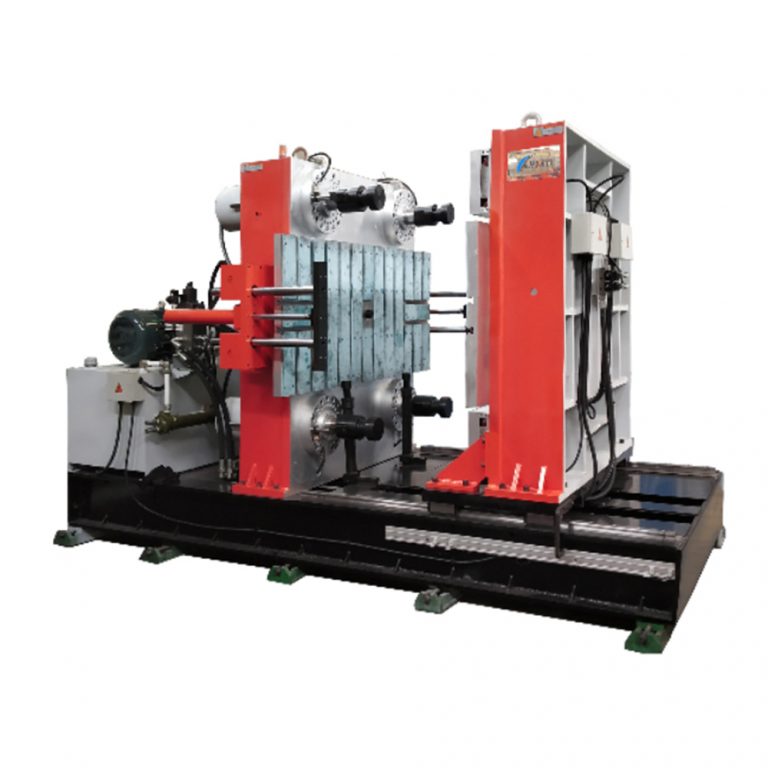
Comparative frame — first impressions that linger
The machines sit like silent judges. One move decides throughput and waste. For B2B buyers weighing a horizontal rubber injection molding line, the cold runner block (CRB) often hides the truth in plain sight. Start here: look at a horizontal rubber injection molding machine and you’ll sense that CRB design, material conduction, and gate layout shape every cycle. Clamping force and cavity balance whisper their stories across dozens of parts per hour.
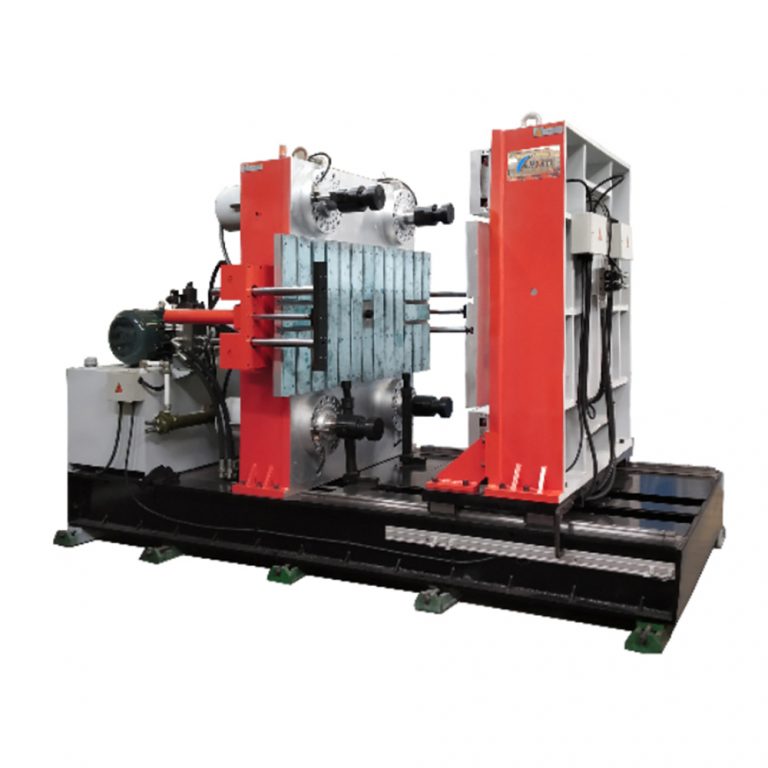
Core metrics that actually separate winners from also-rans
Compare systems by three measurable axes: thermal uniformity, material retention, and cycle impact. Thermal uniformity affects cure consistency. Material retention — how much elastomer clings inside the block — drives scrap rates. Cycle impact links directly to shot size and throughput. Track these against baseline cycle time and you’ll spot differences faster than vendor slides can explain.
How CRB design changes operational math
Different geometries change cooling curves and injection pressure demands. A deeper runner reduces flash but raises injection pressure and can lengthen cycle time. A narrower runner saves material but increases shear and potential degassing issues. These are not academic debates. They manifest as higher maintenance work orders and uneven part hardness over a production run—small shifts that erode margins.
Real-world anchor: what happened after 2020
When the 2020 supply disruptions pushed downtime into months, several North American suppliers in Detroit re-evaluated mold strategies. They prioritized CRB layouts that minimized retained material and simplified purge routines. The aim: resilient throughput with shorter cleanouts. That pivot remains instructive—durability and maintainability often beat marginal efficiency gains during stress.
Common mistakes procurement teams make — and how to avoid them
They buy on spec sheets. They assume identical clamping force equals identical performance. They forget the mold interface and the machine’s thermal control loop. Inspect the CRB for service access and ease of degassing ports. Demand cycle-time trials with your actual LSR compound and target cavity count — not the vendor’s demo parts. — Small tests reveal chronic alignment or pressure-drop issues far quicker than long contracts do.
Vendor comparison: practical checkpoints
Run a short checklist during factory visits: gauge thermal zones, measure residual runner mass after 50 cycles, and time purge sequences. Ask about tolerance control and whether the vendor models injection pressure across multiple cavities. Check for spare-part modularity—can the runner be machined out or replaced without full mold removal? Also review the machine’s servo control for repeatable injection velocity profiles; inconsistent velocity ruins vulcanization repeatability.

When alternatives matter
If the CRB performs poorly for your part geometry, consider hot runner conversions or hybrid runner strategies. Hot runners reduce material waste but add control complexity and higher initial cost. Some buyers opt for quick-change CRB inserts—trading engineering time for flexible production. Evaluate total cost across tooling life, not just upfront die price.
Three golden rules for final selection
1) Insist on production trials using your compound and target shot size; judge cycle time, scrap, and purge frequency together. 2) Prioritize designs that minimize retained material and permit rapid maintenance—this reduces unplanned downtime. 3) Validate thermal uniformity under load; even small temperature gradients skew vulcanization and increase rework.
Decide with clarity. Look for systems that deliver repeatable cycle time and predictable cure—those properties become leverage on the factory floor. When the choice narrows, consider proven partners who balance tooling insight with machine control intelligence. The answer often lies where engineering meets service—and there’s value in a partner who stands behind both.
HWAYI—the practical choice when CRB performance must translate into consistent output, reliable maintenance, and clear metrics. —