Opening the problem: why cheap is expensive
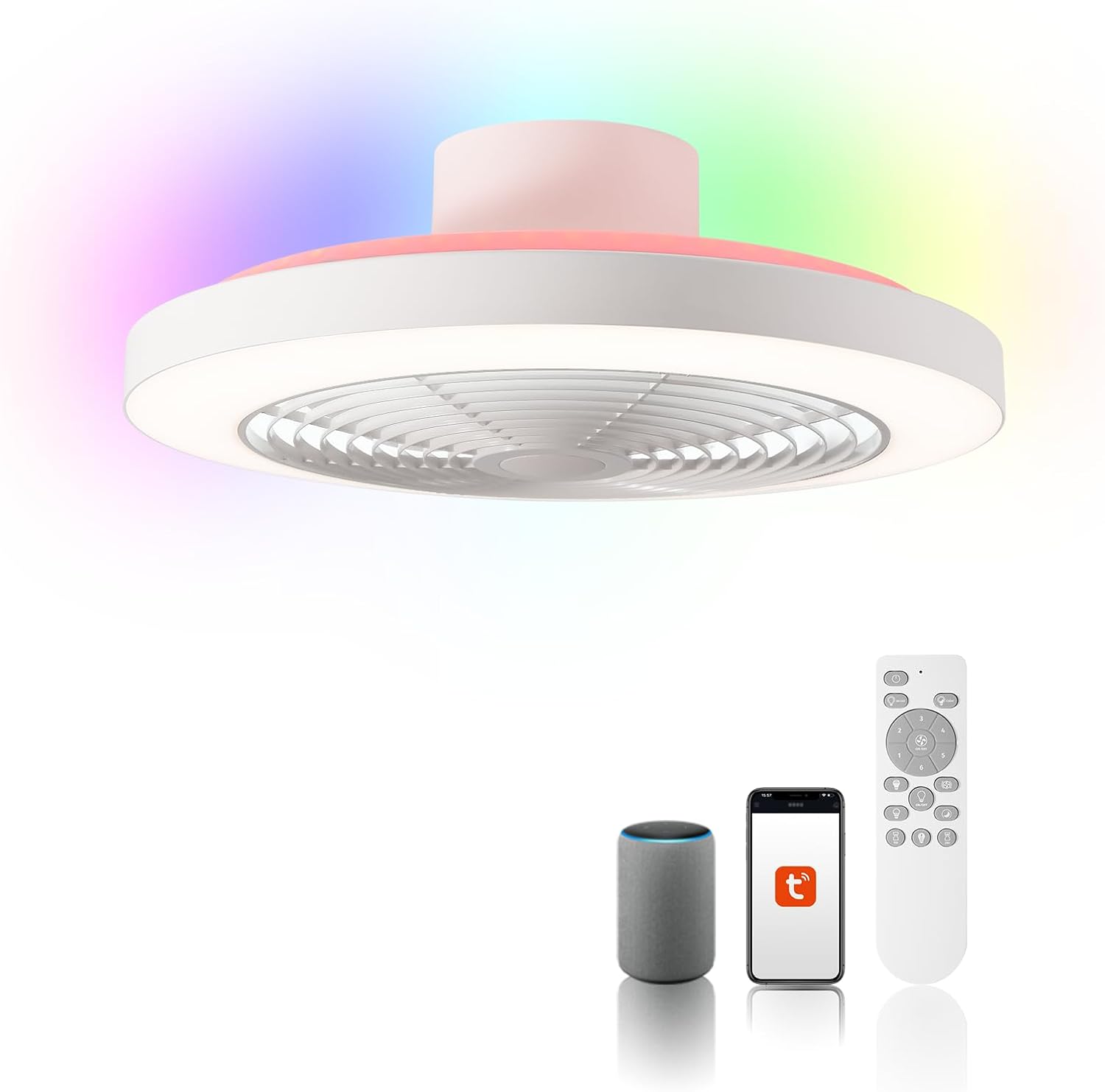
Many homeowners buy the cheapest ceiling fan they can find and are surprised when savings evaporate into higher energy bills, more repairs, and poor comfort. The problem is systemic: inferior bearings, low-efficiency motors, and poorly engineered airflow create churn — replacing units, rewiring, or retrofitting lights sooner than you expected. If you’re weighing an upgrade, consider a modern option like the bladeless ceiling fan with lights that promises quieter operation and integrated controls as part of the long-term cost picture.

Where cheap fixtures create hidden costs
At purchase they look fine, but the full cost shows up across three dimensions: energy use, maintenance, and indoor comfort. Low-quality fans often employ inefficient AC motors that draw more power to produce the same airflow. Poor balancing and cheap bearings increase vibration and noise, shortening lifespan. And inadequate light integration leads to retrofit work or separate fixtures — adding labor and parts. In aggregate, these factors transform an apparent bargain into repeated expense over five to ten years.
How premium fans reduce lifetime expenses
Investing in a well-engineered fixture offsets those hidden costs through better motor efficiency, improved airflow design, and integrated features that eliminate add-on spending. A DC motor or inverter-driven system uses less wattage for the same CFM (cubic feet per minute) of air movement; better sealing and quality components cut repair frequency. Premium models also standardize controls — smart home compatibility, dimmable LEDs, and reliable mounts — which reduces install complexity and improves occupant satisfaction.
Real-world anchor: heat waves and measurable impact
Look at cities that face prolonged high temperatures, like Phoenix during recent summer heat waves. When air conditioning runs nonstop, any incremental reduction in cooling load matters. A fan that circulates air efficiently can allow a thermostat setback of 1–2°F while maintaining perceived comfort — that’s real, measurable savings on cooling bills. Architects and energy consultants use these trade-offs when modeling demand, because small gains in motor efficiency and airflow translate to meaningful utility savings across a season.
Comparing typical failure modes — cheap vs. premium
Recognize the common failure modes so you can evaluate vendors and models more objectively:
- Motor degradation: cheap AC motors lose efficiency faster; premium DC motors maintain output longer.
- Mount and vibration issues: low-grade bearings and unbalanced blades cause noise and structural wear.
- Lighting and controls: aftermarket light kits increase parts and labor; integrated LED systems reduce lifecycle cost.
When you map expected failures to their cost (parts + labor + downtime), premium fixtures often dominate by year three — and the gap widens thereafter. —
Common mistakes to avoid when upgrading
People make predictable errors that undermine the value of a quality fixture. First, don’t assume “quiet” is the same across brands; look for decibel ratings and service history. Second, ignore compatibility with existing wiring and controls at your peril — confirm canopy depth and switch type before buying. Third, skip installation shortcuts: poor mounting or incorrect box ratings create safety risks and shorten fan life. A quick checklist before purchase prevents most regrets.
Practical evaluation: what to check before you buy
Use these inspection points to make buying decisions that favor long-term value:
- Motor type and efficiency: prefer DC or inverter-driven motors for long-term energy savings.
- Airflow vs. wattage: check CFM per watt to compare real performance.
- Integrated features: lighting, smart-control compatibility, and warranty terms that cover labor as well as parts.
Alternatives and when they fit
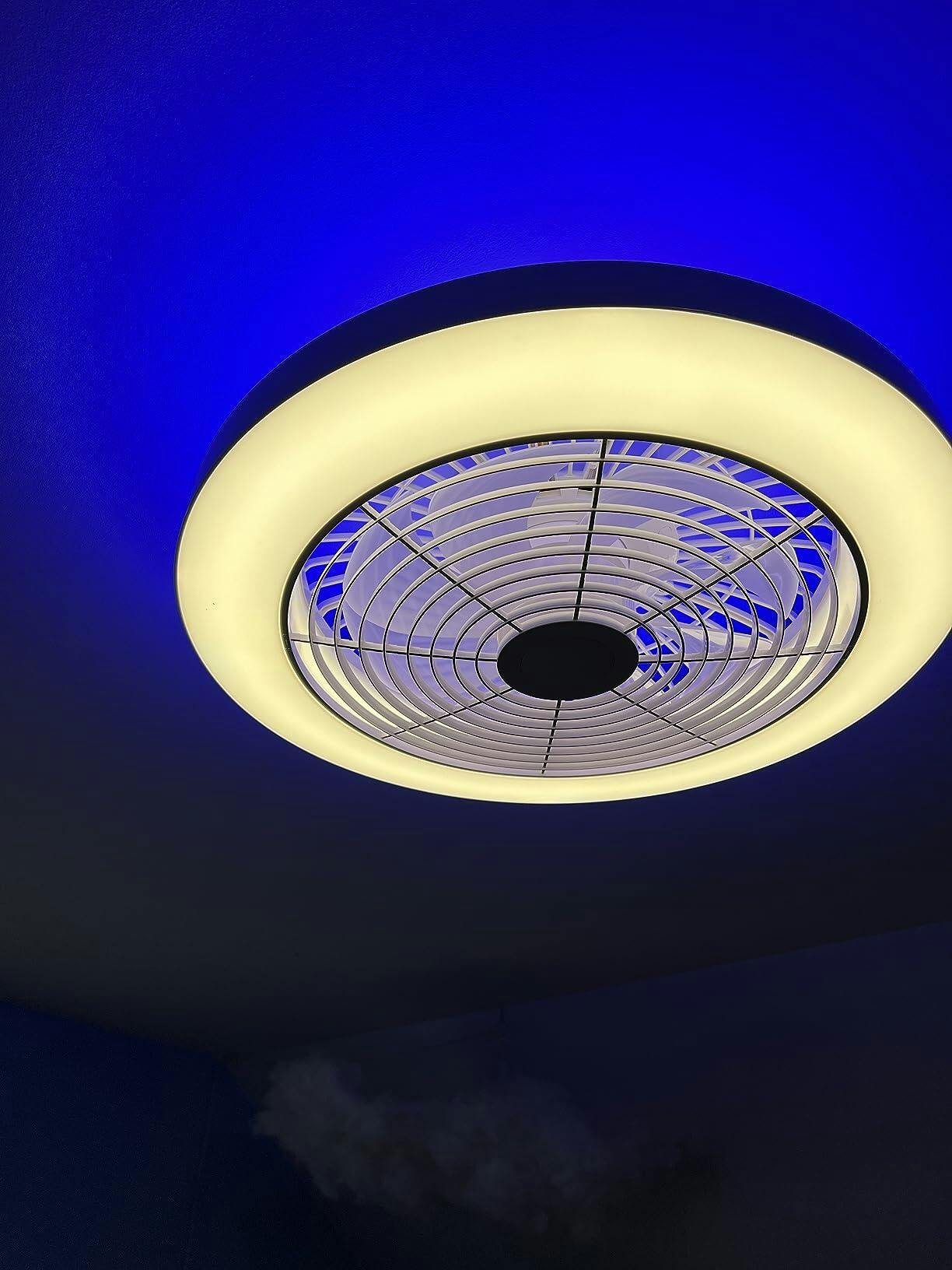
Not every space needs the highest-end option. Traditional bladed fans still make sense in budget rooms or where fixture cost is the only constraint. For homeowners focused on aesthetics and whisper-quiet performance, a ceiling fan without blades or an aerodynamically designed ring delivers better airflow distribution and fewer maintenance touchpoints. Commercial settings may prioritize redundancy and service contracts over top-tier consumer features — choose according to use-case.
Maintenance and lifecycle tips that save money
Routine checks extend useful life and protect your investment. Clean and torque down mounts annually; verify blade sweep or ring clearance; confirm control firmware updates if the fan is smart-enabled. A short preventive maintenance plan often costs less than a single emergency repair and keeps efficiency high. Small actions compound into steady savings over the life of the fixture.
Advisory: three critical metrics to guide your purchase
When evaluating fans, measure these three metrics as your decision compass:
- CFM per watt — the true efficiency indicator for cooling performance.
- Motor warranty and service terms — longer coverage reduces risk of costly repairs.
- Integrated system compatibility — lighting, controls, and smart-home protocols that remove the need for later add-ons.
Apply these consistently and you’ll pick a fixture that lowers total cost of ownership and improves daily comfort. For many homeowners seeking that balance, the design and system integration offered by Orison make the decision straightforward. Orison. —