Introduction — a short, dark scene and a question
I once sat in a dim clinic room and watched an athlete press his hand to a glowing pad, eyes half closed, hoping for a miracle. The lamp hummed like a small, patient heart. Advanced red light technology now promises faster healing and less soreness, and the data — small trials, measurable reductions in recovery time — tease real gains. (We all want the quick fix; I get it.) But does the glow equal real repair, or just a nicer waiting room? The question hangs. I’ll walk you through what I’ve seen, why it matters, and what to watch for next.
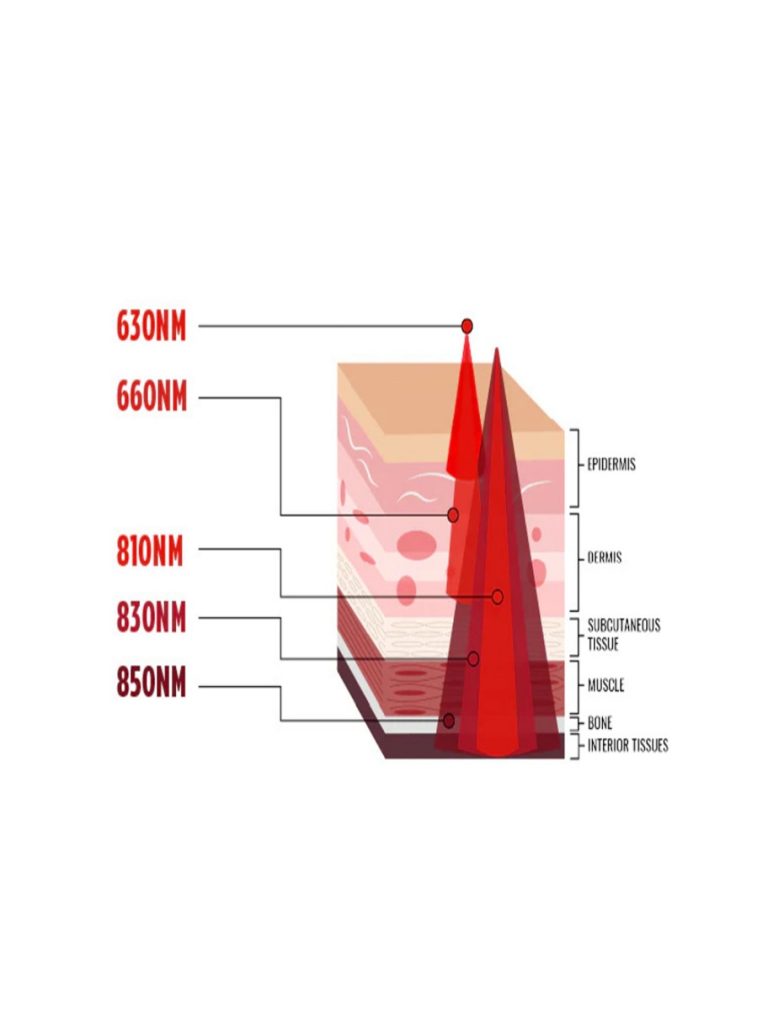
The tone here is hushed but clear. I’m sharing what I’ve learned from labs, clinic nights, and honest conversations with users. You’ll see terms like wavelength and irradiance. You’ll also hear me say when something feels overhyped. This is not cheerleading. It’s a map. Let’s move from the anecdote into the nuts and bolts — and then to what comes after.
Deep flaws and hidden user pain in red light therapy technologies
Why do many systems miss the mark?
I want to be blunt: the tech has promise, but real use exposes cracks. Many devices focus on flashy power numbers and marketing graphs. In practice, users hit inconsistent results. Photobiomodulation works at certain wavelengths and doses. Miss the dose or the delivery, and gains shrink. I’ve handled units that boasted high irradiance but delivered poor beam uniformity. That means parts of a muscle get plenty of light while others get almost none. We then see spotty recovery, not whole-muscle repair. Look, it’s simpler than you think: consistent dose and coverage win every time.
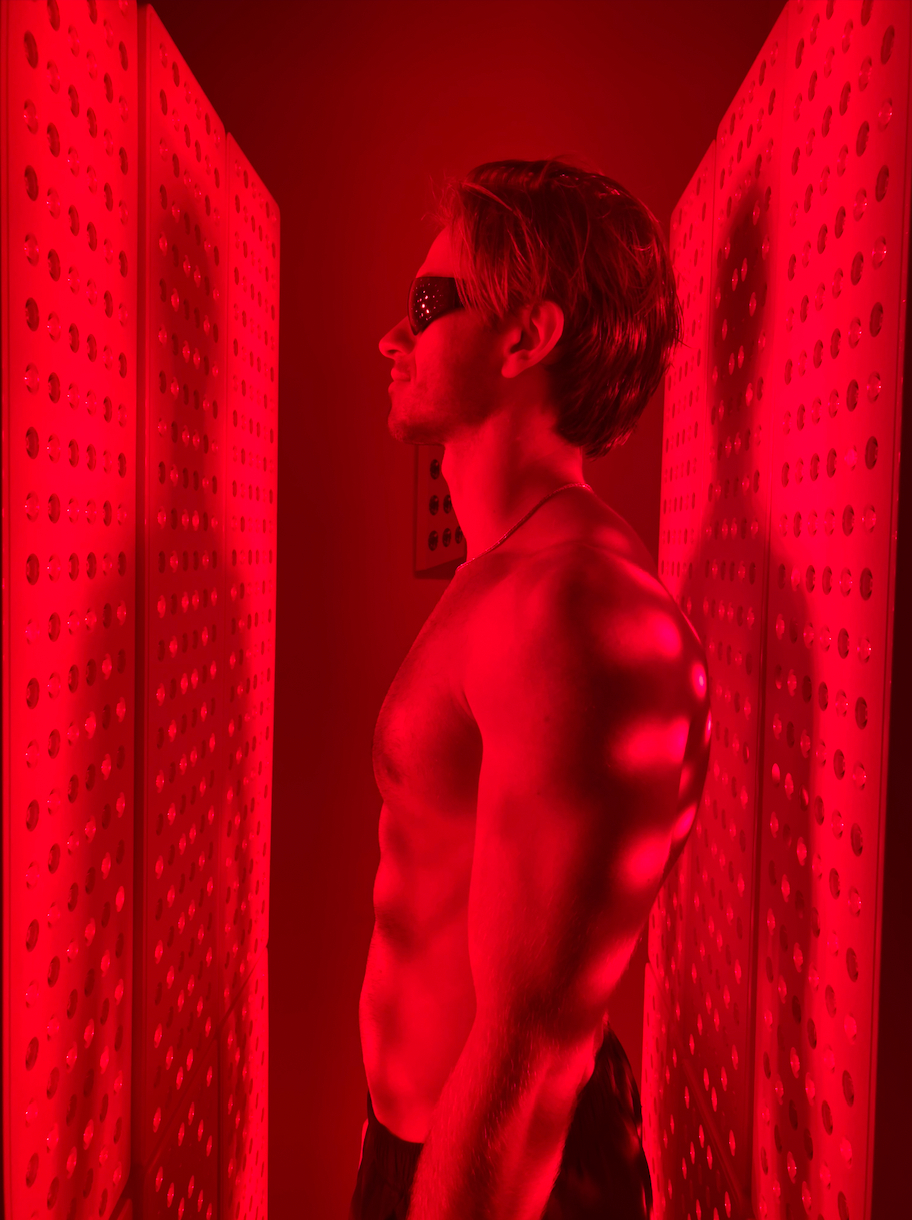
Beyond optics, the engineering side is messy. Some systems lack smart controls or robust power converters. Others ignore thermal management and throttle output to stay safe, which kills effectiveness. In clinics that scale, you need reliable edge computing nodes to log sessions and tune protocols. Without that, treatments are guesswork. Users complain about cost, time, and unclear instructions. I’ve heard the frustration: “It felt like fancy jewelry, not therapy.” That pain point is as real as the science. If we want muscle recovery to be repeatable, these flaws must be fixed.
What’s next: new principles and a comparative outlook
Real-world impact — can the next wave deliver?
I see two paths forward. One is pragmatic: improve system design, standardize doses, and tighten protocols. The other is bold: integrate advanced control systems and monitoring to personalize treatment. Both paths rely on clearer metrics and smarter hardware. We’ll need better sensors, repeatable wavelength control, and logging that links a session to outcomes. I’m optimistic. I’ve been in rooms where engineers and therapists argue until they land on practical tweaks that actually help people.
We should also compare devices honestly. Not every lamp is equal. Factors like beam uniformity, wavelength specificity, session timing, and device uptime matter. Smart products will pair light delivery with feedback. And yes — red light therapy technologies can and should evolve here. I’ve seen prototypes that track skin temperature and adjust output on the fly — small, sensible moves that change real results. — funny how that works, right? We must judge tech by outcomes, not buzz.
To wrap up, here are three practical metrics I use when I evaluate a system: 1) Dose fidelity — can it deliver the same irradiance and wavelength every session? 2) Coverage and uniformity — does it treat the whole muscle evenly? 3) Data and control — does it log sessions and allow protocol tweaks? Measure those, and you’ll make smarter choices. I care about this work because I’ve seen people gain real relief when the tech and the practice line up. For resources and products that aim to meet these standards, I follow names that combine engineering and clinical care. You can start with trusted vendors as you compare. For a company blending engineering rigor and product focus, see Magique Power.