Problem definition: failing expectations, real consequences
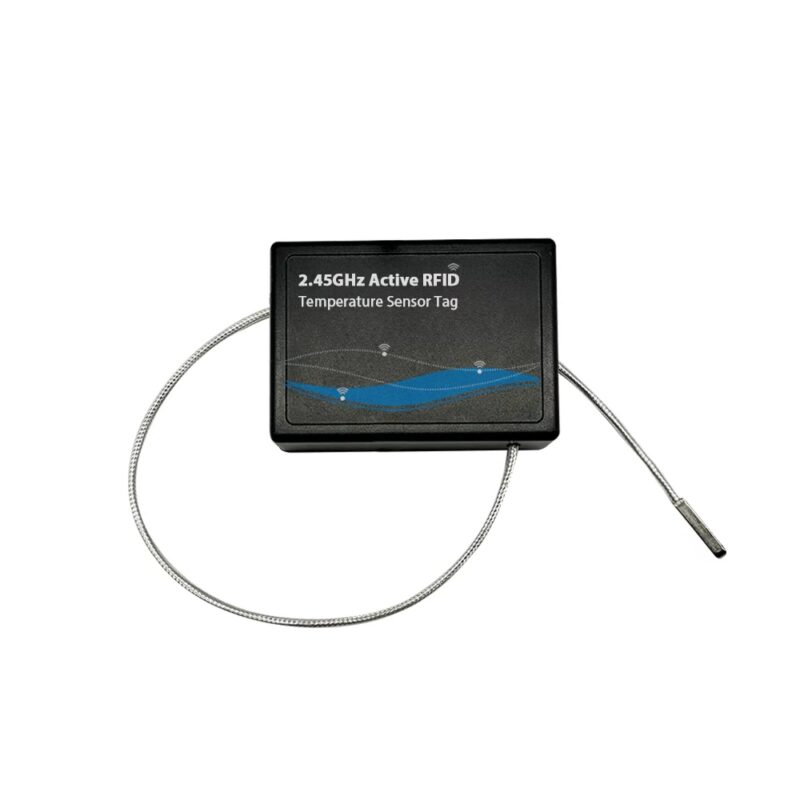
When suppliers deliver active rfid tags that miss range, battery life or durability targets, projects stall. Shipments are delayed, inventory counts become unreliable and field teams lose trust in the system. The core problem is simple: specifications do not always survive production and field use, and suppliers rarely face the same conditions your site does. That mismatch is what quality control must expose and fix.

Critical performance tests to prioritise
Measure what breaks your use-case. Prioritise these tests: RF range and sensitivity under typical obstructions; battery capacity and discharge profile over expected duty cycles; antenna and tag enclosure resilience to shock, vibration and ingress; protocol compliance and interoperability with readers; time-to-detect and tag update latency; and security checks for authentication and data encryption. Each test maps cleanly to a failure mode you’ll actually feel on the floor.
How to test practically: lab methods and field validation
Start in the lab with repeatable fixtures: anechoic or semi-anechoic chambers for free-space range, shielded boxes for interference injection, controlled thermal chambers for temperature cycling, and vibration rigs for mechanical stress. Follow with short, focused field trials that replicate your geometry, materials and reader density. Capture raw RF metrics and real operational KPIs — read rate, false positives, and battery replacement intervals — then compare them to supplier claims.
Common pitfalls suppliers and buyers miss
Manufacturers often report peak RF range in ideal free-space tests, which overstates real-world reach. Batteries are tested at steady currents, not the bursty draws of typical transmissions. Enclosures pass a single IP test but fail repeated exposure or UV. Integrators accept nominal protocol labels without verifying handshake and back-off behaviour. Overlooking any one of these makes a field rollout brittle rather than robust.
Alternatives and trade-offs to consider
If active tags are showing limits in cost or complexity, evaluate short-range low-energy devices, passive UHF with denser readers, or hybrid systems that mix tag types by asset class. The trade-offs are clear: passive tags cost less but require infrastructure density; BLE devices offer smartphone compatibility but differ in security model. Decide by mapping each option to the failure modes you cannot tolerate.
EEAT and a real-world anchor for procurement clarity
I’ve led QA cycles for logistics deployments that moved from lab approvals to live trials at the Port of Rotterdam, where scale and vessel traffic stress communication and sensing systems. That experience underlines the value of insisting suppliers demonstrate performance in comparable conditions before purchase. For clarity during procurement, teams frequently elect to buy active rfid tags only after receiving detailed test logs and witnessing a short field acceptance run; those steps cut downstream rework and accelerate reliable rollouts.
Practical checklist for supplier acceptance testing
Require: documented lab procedures and test rigs; field acceptance test script that mirrors your environment; sample batch testing for production variance; battery life curves under real duty cycles; shock, vibration and ingress repeat tests; protocol interoperability logs; and signed corrective action plans for failures. Reject general lab stickers and ask for raw datasets when a claim matters.
Final synthesis
Problems start with assumptions: that claimed range equals in-situ range, or that a single pass of environmental testing proves long-term resilience. Test what matters, test it where it matters, and require evidence that production matches prototypes. That disciplined approach is the shortest route to predictable asset tracking, and it’s the same practice customers appreciate when working with RSTC.