Quick comparative lead
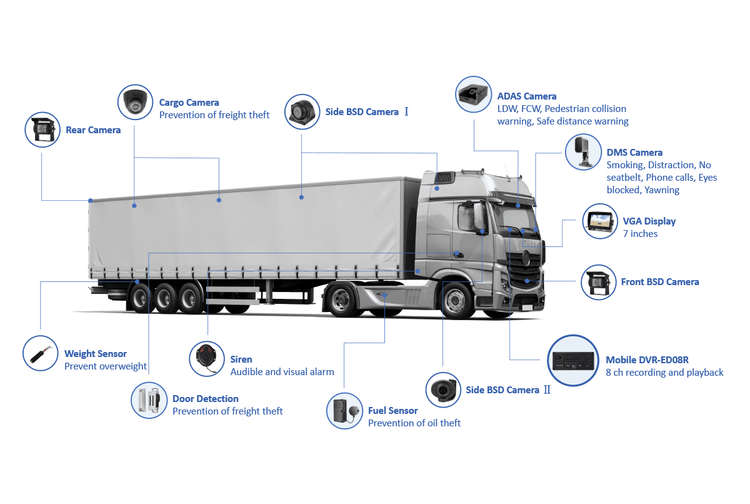
Start with a clear comparison: public bus fleet management typically prioritises service coverage and regulatory compliance, while private fleet operations focus on profitability and contract performance. That difference shapes choices about schedules, maintenance, data use and procurement. Practical decisions benefit from good tools — for example, effective bus fleet management and smooth-running bus management software change what’s feasible on the ground.
Operational priorities and KPIs
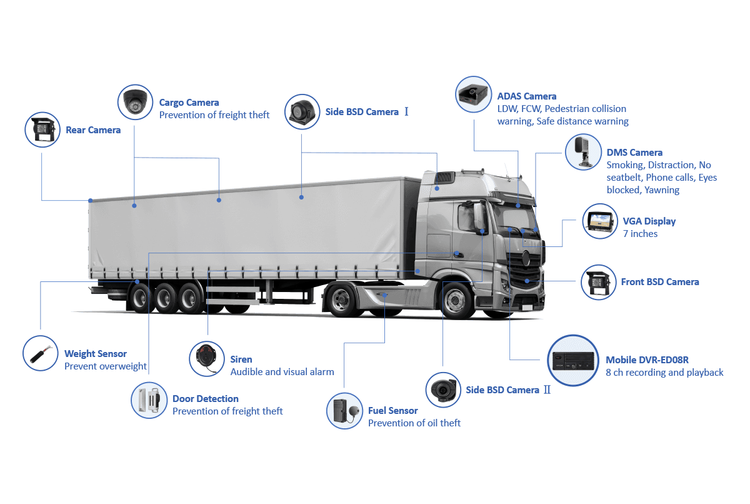
Public operators measure availability, punctuality and social coverage. Private operators measure on-time performance, cost per kilometre and contract KPIs. Compare them directly:- Public: target headway adherence, route coverage at off-peak hours, accessibility metrics.- Private: target revenue per vehicle, fleet utilisation, penalty avoidance.These priorities dictate daily decisions: crew rostering, spare vehicle policy and acceptable downtime.
Regulation, contracting and accountability
Public operators answer to elected bodies and the public. Private operators answer to clients and shareholders. That changes procurement cycles and reporting. Large transit authorities (for instance Transport for London) publish clear data and procurement rules; operators must align systems to those timelines and formats. Contracts often force private fleets into strict SLA windows; public fleets absorb broader social obligations and longer procurement lead times.
Technology choices and data ownership
Data strategy splits the two camps. Public agencies typically require open reporting and centralised control of passenger and vehicle data. Private operators prefer proprietary dashboards tied to contract metrics. Decide by asking: who owns historical telematics, who shares ridership data, and what export formats are required? Practical checklist:- Ensure APIs for timetable and AVL data.- Confirm exportable maintenance logs.- Define data-retention policies before buying a system.
Maintenance and asset strategy
Maintenance planning differs in cadence and tolerance. Public fleets accept longer life cycles to reduce capital expense; private fleets often run newer vehicles to improve reliability and reduce penalties. That leads to different spare parts stocking, workshop staffing and predictive-maintenance investments. Good predictive diagnostics reduce unscheduled downtime for both, but the ROI threshold is lower for private operators.
Costing, fares and revenue handling
Revenue complexity is higher for private operators that run multiple commercial lines or contracted corridors. Public operators manage subsidies, concessions and zero-fare segments. That affects fare-collection integrations and reconciliation processes. When evaluating systems, check settlement workflows and whether fare data can be reconciled automatically with accounting or contract managers.
Choosing the right system: practical comparisons
A pragmatic comparison checklist helps:- Scalability: can the platform handle 50 buses and 1,000 buses equally well?- Compliance: does it produce regulator-ready reports?- Integration: does it connect to fare gates, payroll and maintenance platforms?- Ownership: who controls the raw data?Choices should follow your priority mix of service and profit, not feature lists alone.
Common pitfalls and how to avoid them
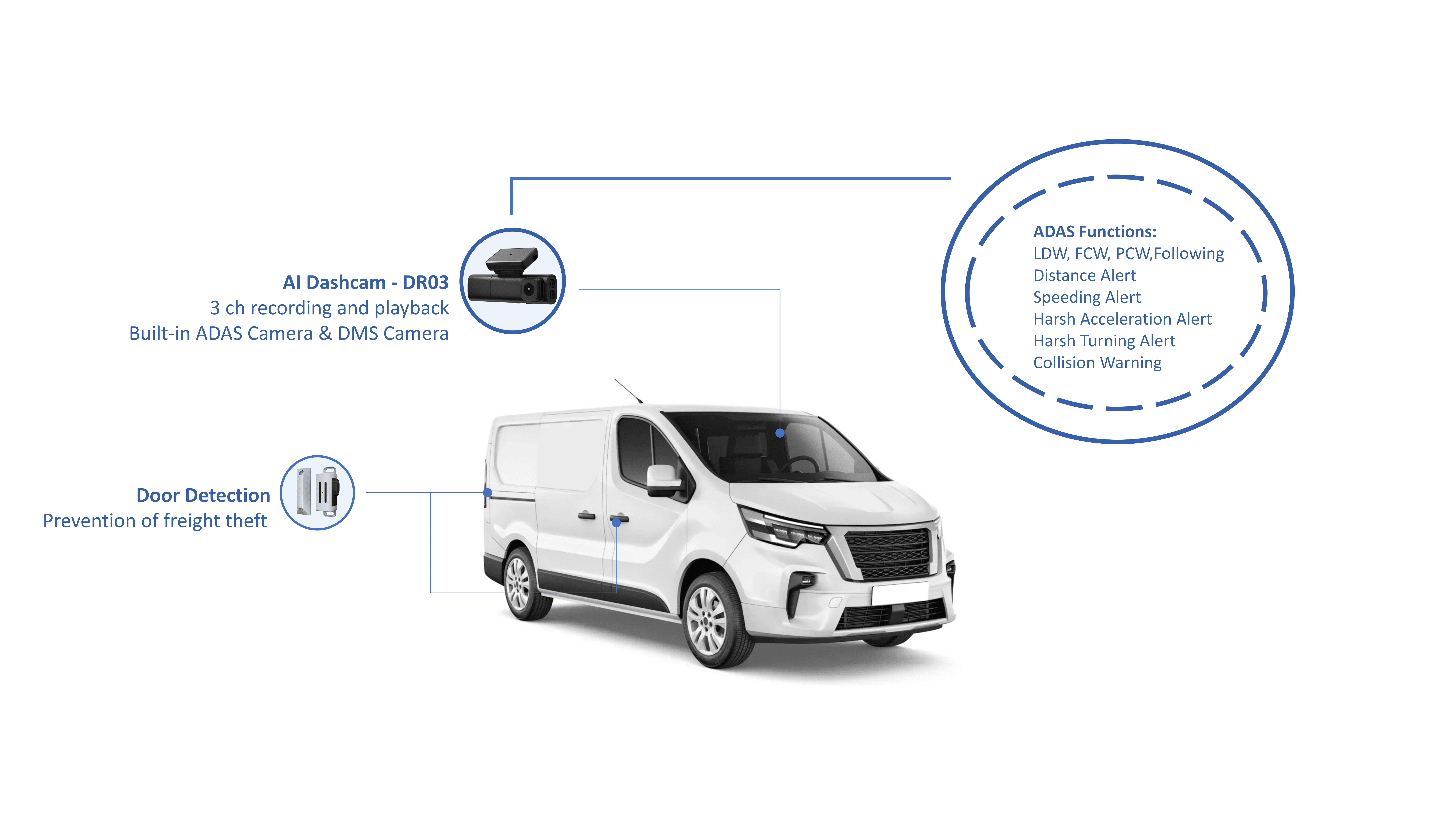
Operators often repeat the same mistakes:- Buying feature-heavy platforms without integration plans.- Outsourcing data control and then losing operational visibility.- Ignoring crew workflows when choosing scheduling tools.Avoid these by running small pilots, validating exports, and checking how the system performs on real routes during peak and off-peak hours.
Final synthesis
Compare priorities, contracts, and data rules first; let those answers drive procurement, maintenance strategy and vendor selection. That comparative view shows where investments deliver value fast and where longer payback is acceptable. For operators seeking pragmatic, proven solutions that reconcile public obligations and private performance, the practical experience and product fit offered by BSJ often aligns with the operational choices described above.