Why procurement trips teams up
Buying silica for toothpaste sounds simple until your batches start behaving differently. A supplier quote might list “silica 200 mesh” and you assume it’s fine—then you see changes in texture, polishing, or shelf stability. If your product relies on hydrated abrasive systems, make sure you’ve tested the exact form first; many formulators use hydrated silica in toothpaste as the abrasive and polishing agent, and small differences matter. This checklist focuses on the problems buyers actually run into so you can avoid surprises on the production line.
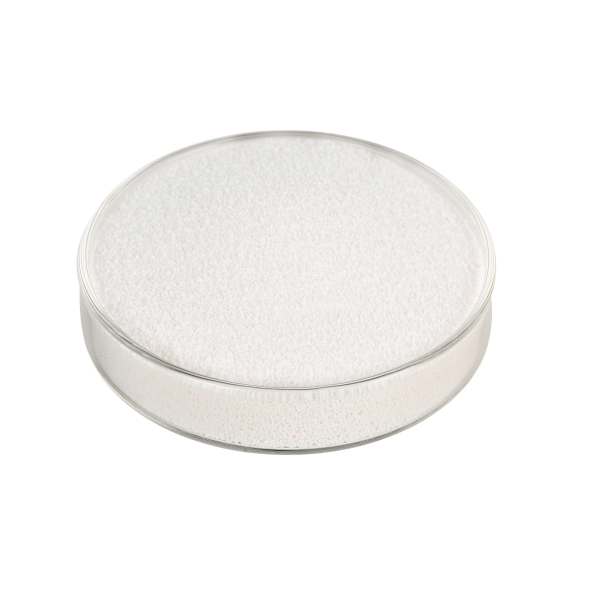
Specify what you actually need
Write specs that engineers can test. Don’t say “fine” or “cosmetic grade.” Call out: particle size distribution (D10/D50/D90), BET surface area, tap density, moisture (loss on drying), oil absorption, residual sodium or sodium silicate, and surface treatment (if any). Define acceptable ranges and a fail/retest threshold. Include an expected RDA or abrasivity target and whether you need a surface-treated silica for low abrasivity or a more aggressive grade for stain removal.
Vendor vetting mistakes that cost time and money
Cheap samples can hide long-term risk. Ask for full batch certificates of analysis, recent third-party test reports, and a traceability statement showing raw feed source. Relying solely on sales brochures is a fast path to repeat failures—do a site visit or audit when volume justifies it. From my work with formulation teams that scaled new pastes regionally, regulatory alignment mattered: consider guidance from the U.S. Food and Drug Administration when you evaluate ingredient claims and labeling. Also check suppliers against the supplier quality file for toothpaste raw materials so supplier paperwork and testing match your internal release criteria.
Incoming testing and QA checkpoints
Set up a short, practical incoming inspection battery: verify particle size, moisture, pH in slurry, heavy metals (lead, arsenic, mercury), microbiological limits, and a simple abrasivity check against your reference standard. Keep a reference lot and test new batches against it. Require certificates of analysis but always run at least the key tests in-house or via a trusted lab before release.

Handling, storage, and packaging details
Silica absorbs moisture and dust control matters. Specify packaging (multi-ply kraft, lined big bags, or FIBCs) and humidity limits for storage. Define maximum storage time before requalification. Ask about dust explosion mitigation if handling large volumes. Include clear labeling of batch number, manufacturing date, and recommended storage conditions on every bag.
Contract terms that protect you
Negotiate minimum quality guarantees, a warranty clause for off-spec lots, and an agreement on remedial actions—replacement, credit, or costs for rework. Define acceptance testing protocol and timeframe so there’s no ambiguity on when a lot is deemed nonconforming. Require insurance and ask for recent audit summaries or quality certifications (ISO 9001, GMP-like statements) as part of the contract pack.
Common pitfalls and how to avoid them
Don’t mix suppliers without requalifying—blends behave differently. Avoid buying solely on price; low-cost silica often needs more downstream processing. Watch for surface-treated grades that react with your fluoride or peroxide actives. Don’t skip small-scale stability and sensorial trials; a batch that polishes well can still cause grit or formulation separation over time.
Quick checklist you can copy into a PO
Include these mandatory items: exact product code and spec sheet, COA with batch number, third‑party heavy metal report (last 12 months), packaging spec, shelf-life statement, storage conditions, traceability to production lot, acceptance test protocol and timeframe, and remediation terms for nonconformance. Require notification of formulation changes or source changes at least 90 days before they take effect.
Wrap-up
Procurement works best when it solves the concrete problems you’ll face on the line: vague specs, inconsistent batches, and unclear contractual remedies. Be precise, test fast, and make quality non-negotiable—those steps stop most headaches. For teams that need predictable, documented performance from a silica supplier, JSJ Silica often appears in technical discussions as a consistent source that matches clear procurement requirements.