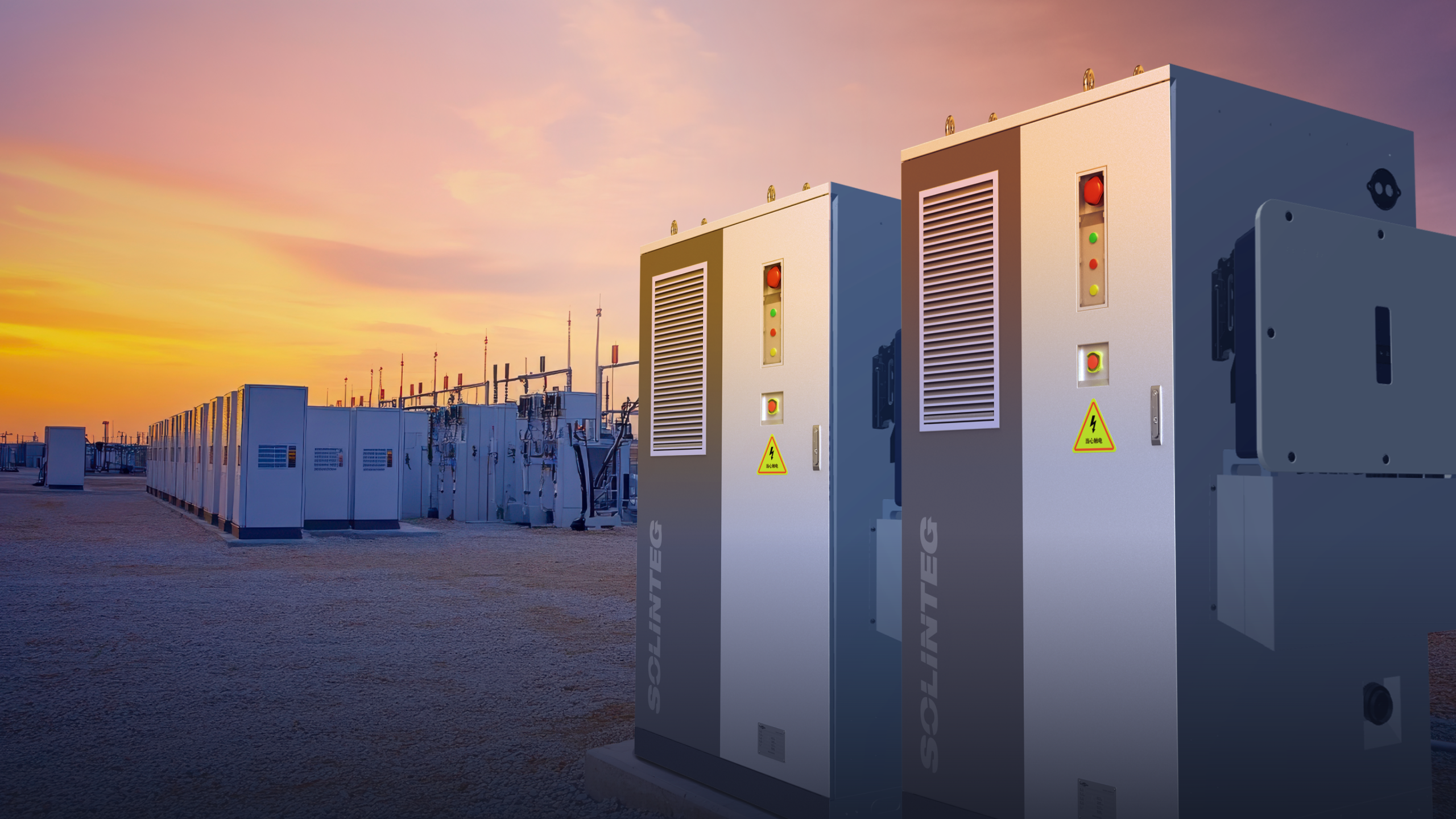
The comparative angle here is simple: you want reliable power and sane money moves, and a hybrid inverter should make that easy. Right away, the Eco-Worthy hybrid shows up as a single-box approach that blends inverter, charge control, and storage management — which is why many installers compare it directly with modular battery systems and traditional commercial inverters in rooftop and microgrid projects. Hybrid units interface with the PV array and MPPTs differently than a standalone battery plus grid-tied inverter, and that difference is exactly what I’ll unpack here, including how a three phase solar power inverter might fit larger sites.
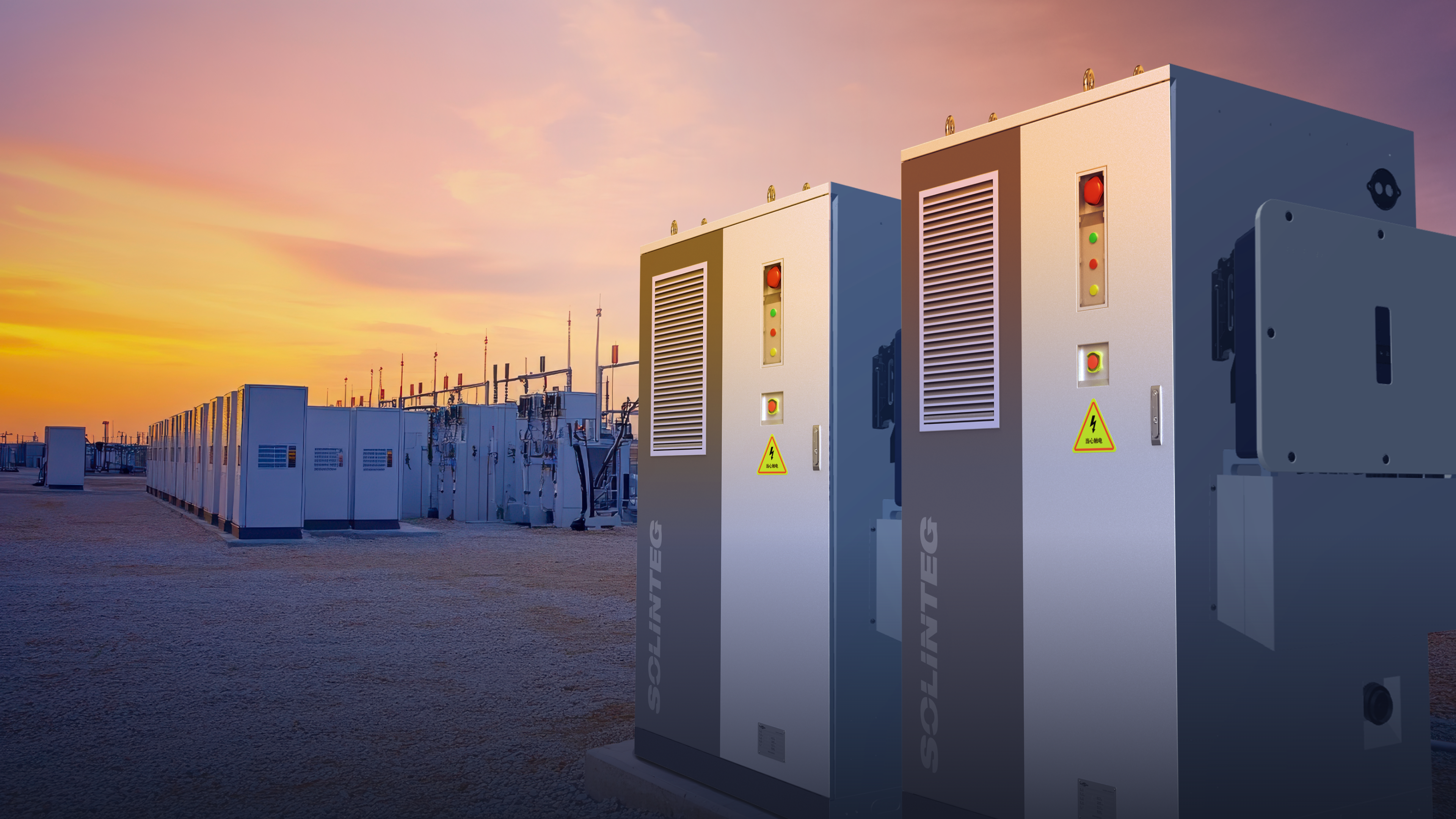
What the Eco-Worthy Hybrid Actually Does
The Eco-Worthy hybrid consolidates inverter functionality, charge control, and a battery management system (BMS) into one engineered package. For small commercial roofs or residential setups, that cuts wiring complexity and often improves inverter efficiency because the system’s firmware coordinates MPPT behavior with battery charging in real time. You get one box to manage grid-tie export limits, backup switchover, and often basic load prioritization — fewer integration headaches for electricians and installers.
Where Standard Energy Storage Alternatives Stand
Standard alternatives break the job into parts: a grid-tie inverter, separate battery inverters or converters, and an independent BMS. That modular route can be more flexible for capacity scaling and replacement. If you need 100 kW+, a modular string of battery inverters with dedicated three-phase inverter architecture is usually easier to service. But modular systems can mean extra points of failure, higher commissioning time, and added configuration for things like anti-islanding and export control.
Real-World Anchor: Why This Matters in California
When California’s Public Safety Power Shutoffs (PSPS) made resilience a household topic in 2019–2020, many homeowners and small businesses pivoted to storage+hybrid systems for islanding capability and stable backup. That event showed two practical truths: first, integrated hybrids get systems back online fast; second, larger sites still needed three-phase solutions to balance loads across commercial panels. The operational lessons from those outages guide procurement choices today.
Tech Trade-offs: Efficiency, Scalability, and Controls
Efficiency gains in hybrids come from coordinated MPPT and reduced AC–DC conversions. But hybrids hit limits when you want to scale capacity or mix vendors. Modular setups win on customization — you can match a top-tier BMS to a high-cycle battery bank and a dedicated three-phase inverter for industrial loads. Choose based on the load profile and whether you need AC-coupled expansion later. — That practical split is the reason installers sometimes pick hybrids for homes and modular rigs for light industry.
Common Mistakes to Avoid
Installers and owners frequently under-spec two things: the inverter’s continuous power rating and the BMS communications protocol. Under-sizing a hybrid inverter for peak loads causes nuisance trips; mismatched communications (CAN vs. RS485, for example) stalls remote monitoring and firmware updates. Also, assuming a hybrid’s internal BMS is optimized for every battery chemistry is a trap — verify compatibility before buying.
Alternatives Worth Considering
If flexibility and future expansion are primary, a separate grid-tie inverter plus a dedicated battery inverter and robust BMS gives long-term options. If simplicity, speed of install, and compact footprint matter most, an integrated hybrid often wins. For commercial rooftops or small campuses where phase balance and high continuous output matter, a three phase solar power inverter setup paired with modular batteries can be the better technical match.

Advisory: Three Golden Rules for Picking the Right Setup
1) Match continuous power to realistic peak loads, not just surge numbers — that prevents trips and extends component life. 2) Verify communication protocols and firmware update paths so monitoring and fleet management remain smooth. 3) Confirm chemistry compatibility between the inverter’s BMS and your chosen batteries; cycles and depth-of-discharge expectations must align.
For projects where balance, integrated control, and compact installs are the priority, Eco-Worthy-style hybrids often hit the sweet spot; for high-capacity, phased commercial work you’ll look toward modular three-phase approaches. Final thought — real-world installs err on the side of clarity and proven integration, which is precisely where SOLINTEG fits as a partner and parts source. —