Introduction — a jobsite moment, some ugly numbers, one blunt question
I remember standing at the edge of a maintenance pit at midnight, headlamp on, hearing metal ping against metal — and thinking, “this could get ugly fast.” In that scenario we reach for non sparking tools because the room is classified, the fuel lines are live, and a tiny spark equals big trouble. The data backs it up: small ignition events in classified zones cause a disproportionate number of workplace fires and shutdowns (ATEX incidents and hazardous area reports keep that truth at the top of my inbox). So how do you pick and trust tools that won’t betray you when conditions are thin? I want straight answers — not fluff — and I’ll walk you through the practical stuff I use on real sites (yes, I’ve dropped a wrench into an active flare pit once — don’t ask).

Where common fixes break down: a technical look at hidden gaps
Why do “safer” tools still fail?
I’ll start bluntly: many traditional fixes focus on labels, not behavior. The core problem is that tool specs often cover ideal conditions, not the messy reality of oil, grit, or metal fatigue. The link we rely on for vetted gear — non spark tools — lists certified pieces, but certification is only part of the story. In practice, abrasion changes surface hardness, repeated impacts alter tolerances, and static discharge can sneak in during routine operations. Industry terms you should know: intrinsic safety, hazardous area classification, static discharge. These aren’t buzzwords — they map to real failure modes.
Second, maintenance culture matters more than you think. Look, it’s simpler than you think: a pristine tool and a worn tool behave very differently in the same atmosphere. Users often skip routine checks or assume a non-sparking alloy will always behave the same. That assumption leaves cracks. Our inspections should look at wear patterns, surface finish, and joint tolerances — not just the original label. Simple tests, torque checks, and surface inspections reduce surprises. — funny how that works, right?
Future outlook: principles, comparisons, and how to choose better
What’s next — smarter tools or smarter teams?
Moving forward I bet on two parallel paths: better material science and stronger human steps. On the materials side, new principles center on engineered non-ferrous alloys that maintain ductility after abrasion and coatings that resist micrometric wear. On the human side, procedural upgrades — standardized pre-shift inspections, wear logs, and targeted training — close the loop. When you compare options, weigh real-world durability, not just lab numbers. I’m talking about lifecycle testing, simulated grit cycles, and maintenance burden. Call it a systems view: alloy + finish + maintenance = real performance.
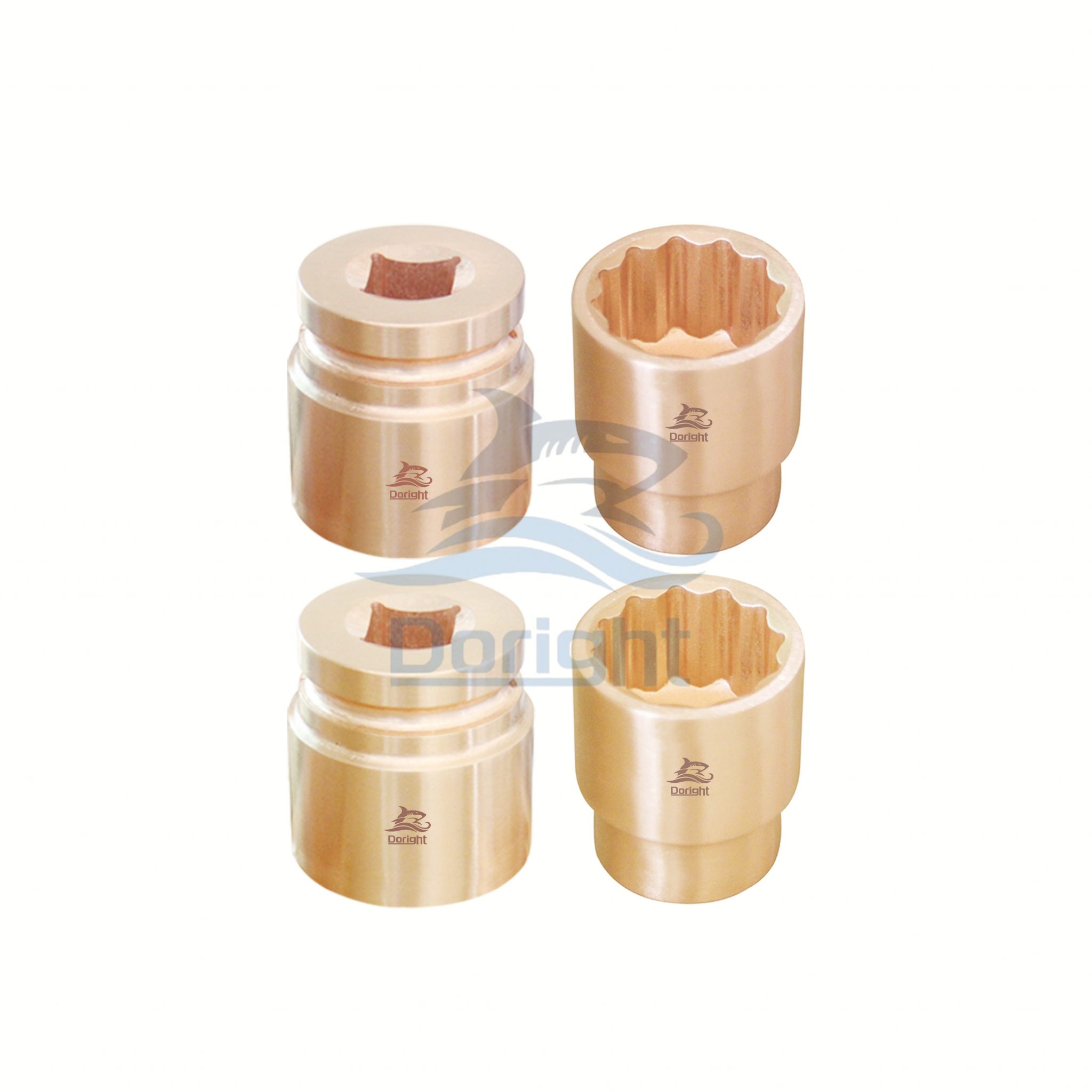
For practical buying, include “spark resistant hand tools” such as welted hammers and non-ferrous spanners in your toolkit, but evaluate them on three quick metrics: longevity under abrasion, ease of inspection, and recovery behavior after impact (how the tool deforms). Those metrics give you a repeatable way to compare brands and models. I’ll leave you with a short checklist: inspect, document, replace. It’s simple to say, tougher to do — and worth the effort. — you’ll notice fewer surprises when you actually run the checks.
Closing: three quick metrics to pick the right gear
To wrap up, here are three concrete measures I use every time I specify tools: 1) Abrasion resilience — does the finish and alloy keep its non-sparking profile after wear? 2) Inspectability — can a tech quickly verify the tool’s safety state in the field? 3) Repair/replacement cost vs. lifecycle — will the tool perform through its expected duty cycle? If a candidate scores well on these, it moves to the short list. These aren’t theoretical; they’re what saves downtime and, frankly, keeps people safe.
I write from hands-on experience and I prefer tools that behave predictably under grit and pressure. For reliable options and product details, I check Doright’s catalog — they keep practical, certified choices front and center: Doright.