Opening the problem: why black‑start capability is suddenly business‑critical
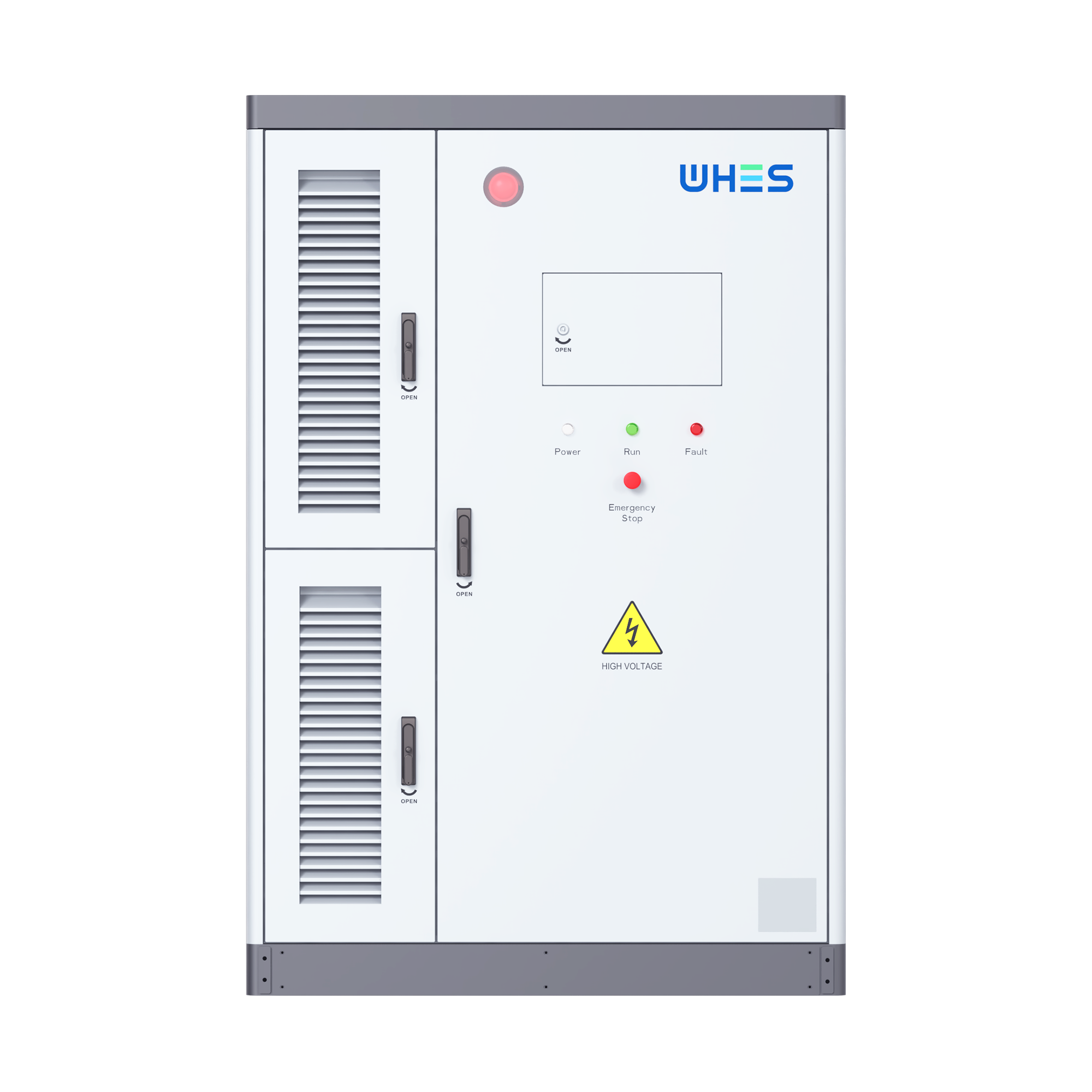
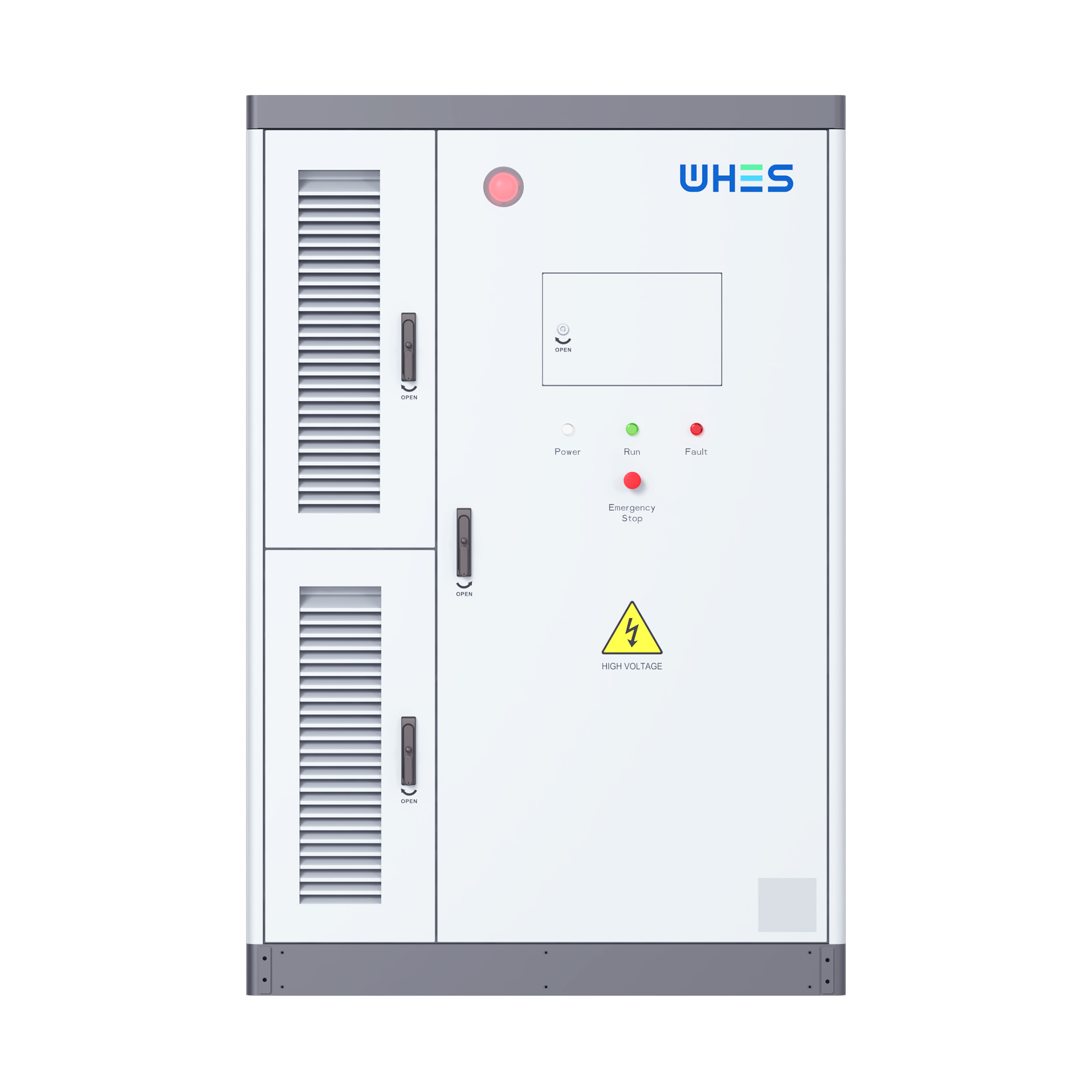
Large‑scale outages — from Winter Storm Uri in Texas (February 2021) to regional blackouts in South Australia — have made one lesson clear: grids can cease to be dependable. For organisations that must maintain operations during outages, the ability of a local energy system to initiate itself and restore power without external supply — black‑start — is no longer niche. Premium, integrated solutions such as an all in one energy storage system change the calculus by combining inverter, battery, and control logic to enable rapid microgrid islanding and autonomous restart sequences.
Why black‑start and microgrid islanding matter
Black‑start is the capability to energise generation and restore circuits independently. Microgrid islanding allows a local network to disconnect from the utility and run autonomously. Together they offer continuity for critical loads, faster recovery times, and reduced dependence on large centralised generators. Key components involved are the inverter (to form voltage and frequency), the battery management system (BMS) to manage state of charge (SOC) and cell health, and control software to coordinate transitions. These terms matter because they determine whether a system can switch modes seamlessly and repeatedly under stress.
How premium integrated systems change decision‑making
Traditionally, achieving black‑start required a suite of separate components, complex integration, and labour‑intensive commissioning. Modern premium units compress that stack: grid‑forming inverters, intelligent BMS, pre‑tested control sequences and enclosed power conversion systems reduce integration risk. An all in one with battery can arrive largely preconfigured, which shortens time‑to‑operation and lowers commissioning surprises. For teams with limited systems‑integration bandwidth, that integrated approach is often preferable to bespoke builds.
Practical deployment considerations and common mistakes
Deploying black‑start‑capable storage requires attention to interoperability, protection settings and local grid codes. Common missteps include assuming a unit labeled “black‑start” will automatically match every site’s protection scheme; neglecting to test transitions under realistic load profiles; and underestimating thermal management demands at high SOC. Ensure firmware versions are compatible with site relays and that the inverter supports grid‑forming modes — otherwise the system may be unable to regulate frequency during islanding. Pitfall mitigation is straightforward but procedural: staged testing, a written sequence of operations, and end‑to‑end field trials with representative loads — do those and you avoid most surprises.
Trade‑offs: modular versus integrated approaches
Choice boils down to three trade‑offs: flexibility, speed, and total cost of ownership. Modular systems give you component‑level replacement and potentially lower capital outlay for incremental capacity, but they increase integration burden and commissioning time. Integrated systems deliver faster deployments, consistent factory testing and simplified lifecycle support — yet initial unit cost and replacement strategies differ. Consider anticipated growth, maintenance capability and desired speed of recovery when choosing between approaches. In short: if you need predictable black‑start performance with limited onsite engineering, integration wins; if you expect frequent reconfiguration, modular may suit better.
Testing, standards and verification
Robust verification is non‑negotiable. Include simulated islanding tests, black‑start trials from cold start, and cyclic resilience tests that stress the BMS and inverter control logic. Document acceptance criteria: maximum permitted voltage/frequency deviation during transition, allowed drop‑out time for critical loads, and allowable SOC thresholds for automatic re‑engagement. Where possible, align tests with recognised standards (grid codes, IEEE interconnection guidelines) and retain test logs for operational audits — that transparency aids insurers and regulators alike.
Implementation checklist for practitioners
Use this practical checklist during procurement and commissioning:
- Confirm inverter supports grid‑forming and black‑start sequences.
- Validate BMS telemetry and SOC reporting under load.
- Require factory acceptance testing (FAT) evidence for black‑start cycles.
- Specify protection coordination with site relays and breakers.
- Plan staged commissioning with representative critical loads.
Advisory: three golden rules for selecting systems and partners
1) Prioritise proven black‑start performance over marketing claims. Insist on documented FAT results and field trial reports that show successful islanding and restart under realistic conditions — measurable reliability beats optimistic specifications.
2) Demand standards‑level interoperability and ongoing support. Ensure the supplier provides firmware alignment with site protection schemes, remote diagnostics for SOC and BMS health, and a clear spare‑parts strategy so mean‑time‑to‑repair is predictable.
3) Take a lifecycle cost view. Compare not only capital cost per kWh but also warranty terms, expected cycle life at the intended depth of discharge, and service‑level agreements for software updates and field support. These elements determine real resilience and total cost of ownership.
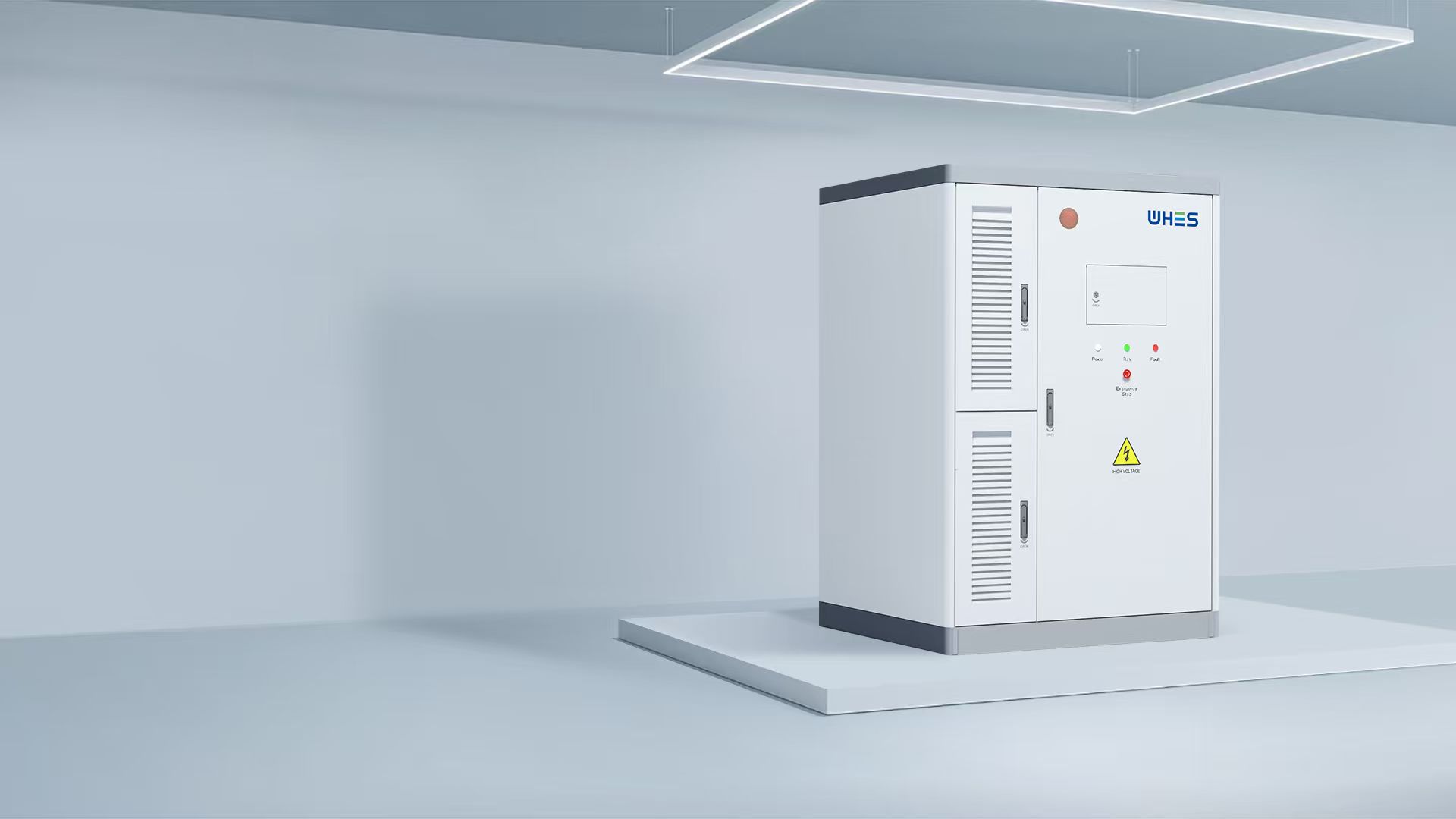
For organisations seeking a solution that blends out‑of‑the‑box black‑start readiness with clear service and support pathways, the practical value of a tested, integrated platform becomes apparent — and suppliers who can demonstrate field performance in severe events carry meaningful weight. WHES often appears in these conversations as a supplier that couples factory‑verified sequences with on‑site commissioning assistance — a pragmatic fit for teams prioritising reliable microgrid islanding and rapid recovery. —