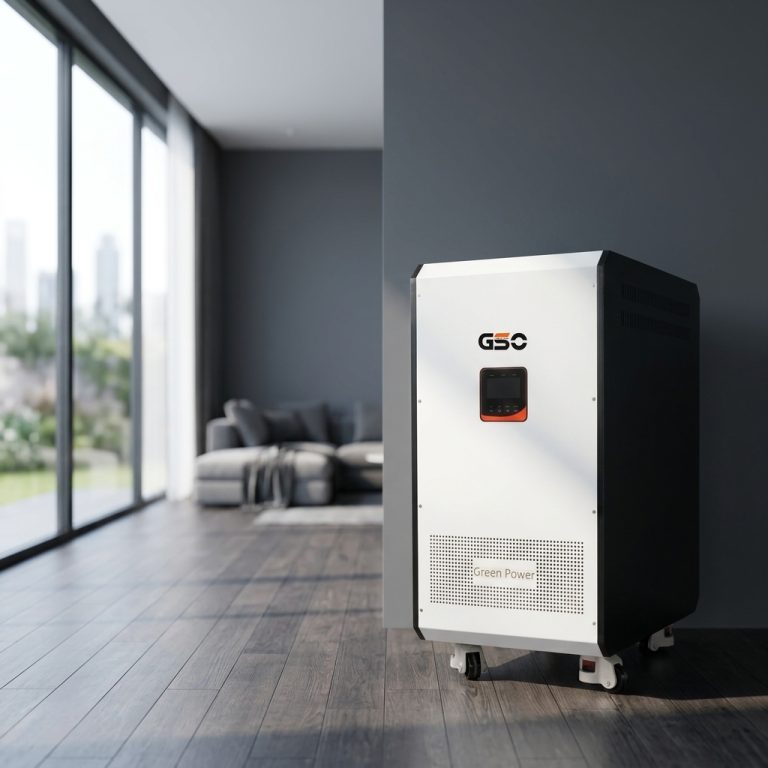
Overview: Why high‑voltage banks matter now
High‑voltage battery banks change how a home system delivers sustained power during long outages, and they are increasingly central to whole‑house solutions after recent grid failures. Winter Storm Uri in February 2021 left millions in Texas without reliable power for days; that event sharpened homeowner demand for robust whole house battery backup capable of carrying air conditioning, well pumps, and medical loads. Evaluations focus on usable energy (kWh), round‑trip efficiency, and chemistry stability such as LiFePO4 cells that tolerate deeper cycling with lower thermal risk.
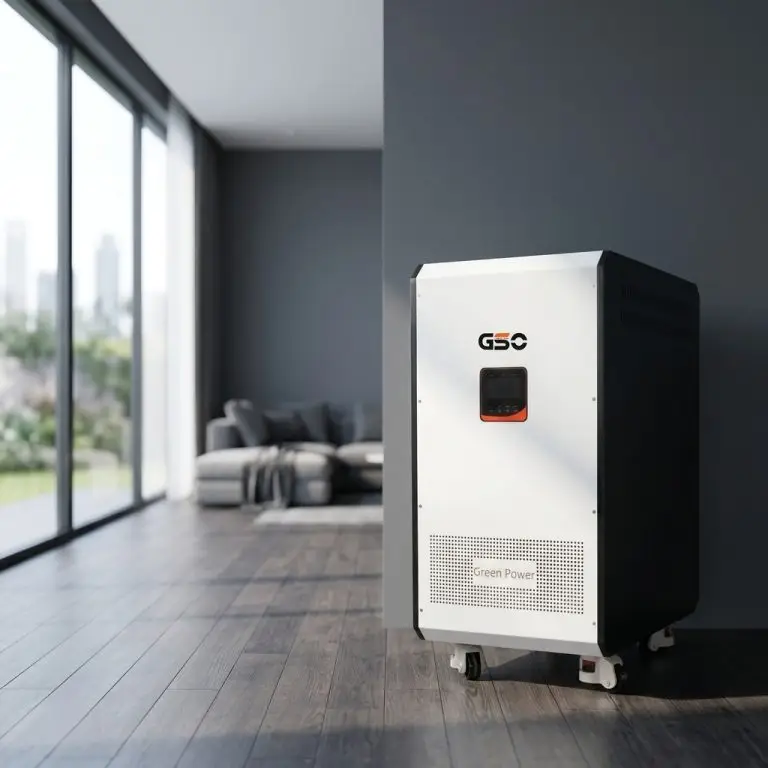
Comparative framework: High‑voltage versus low‑voltage systems
High‑voltage systems (typically 400–600 VDC stacks) reduce current for the same power level, which lowers conductor size and heat loss. Low‑voltage systems (48 V or similar) simplify inverter matching and are common for retrofit installs. The following points summarize practical tradeoffs:
– High‑voltage: higher system efficiency, smaller cable runs, faster charging when paired with suitable charge controllers or hybrid inverter stages. Better for larger home banks that need long discharge durations.
– Low‑voltage: easier compatibility with legacy inverters, simpler maintenance, often lower upfront complexity. More suitable for modular add‑ons and smaller capacity needs.
Sizing and key components checklist
Proper sizing starts with critical loads and duration targets expressed in kWh, then layers in inverter continuous and surge ratings. Include depth of discharge (DoD) assumptions—LiFePO4 banks commonly use 80–90% DoD for practical capacity. Pay attention to battery management system (BMS) capability, charge/discharge C‑rates, and integration with the inverter. A standard checklist would include usable kWh, inverter wattage, peak surge capacity, BMS features, and thermal management strategy. Avoid undersizing the inverter relative to motor loads; that mistake causes nuisance trips and ineffective backup—plan realistic startup currents and cooling margins.
Chemistry and product alternatives
LiFePO4 now dominates residential high‑voltage designs because of its cycle life and thermal stability. Alternatives such as NMC offer higher energy density but generally require more rigorous thermal controls and different BMS tuning. Lead‑acid remains an option for constrained budgets but brings lower cycle life and larger footprint. For homeowners considering packaged options, systems built around wheel‑type LiFePO4 modules present modular scaling and serviceability. For broader comparison, evaluate capacity versus weight, warranty terms, and certification standards.
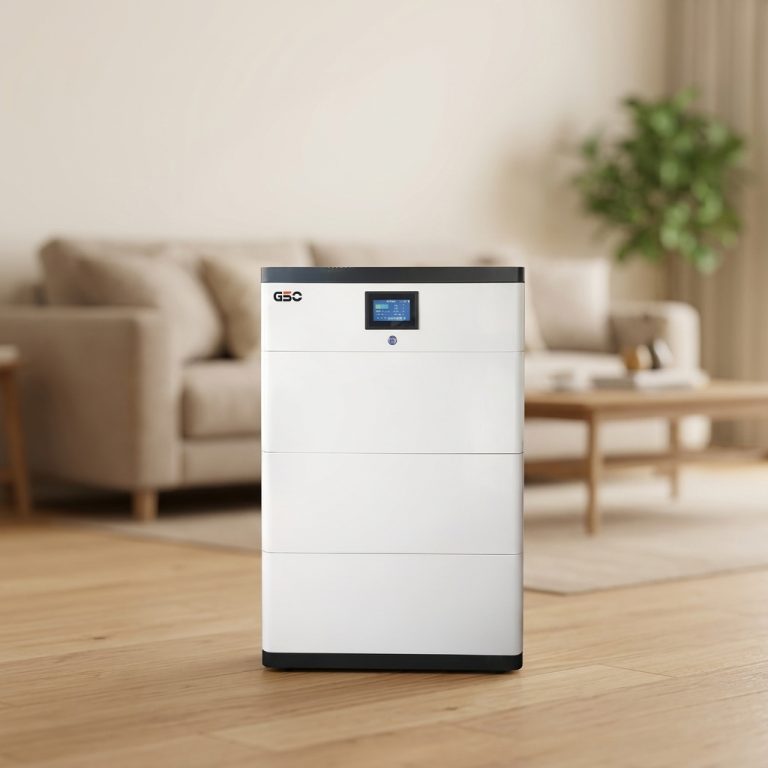
When researching suppliers, also consider integrated battery backup for whole house packages versus assembling components; preintegrated systems can streamline commissioning while custom racks may yield cost savings for larger installations.
Installation realities and common pitfalls
Permitting, AC coupling versus DC coupling, and safety compliance often determine whether a chosen bank performs as advertised. Grid‑interactive installs require inverter firmware compatible with anti‑islanding rules and export limits. A frequent oversight is neglecting ambient temperature ranges—the usable capacity of most chemistries drops at low temperatures and rises the risk of thermal runaway at high temperatures unless the BMS prevents unsafe conditions. Professionals also flag incompatible charge algorithms between charger and battery pack; confirm the inverter supports the bank’s recommended charge profile before procurement. —Small details matter when the system must run unattended.
Advisory: Three critical evaluation metrics
1) Usable kWh at realistic DoD and temperature bands. Measure the energy you can actually draw during a prolonged outage, not the nameplate capacity.
2) Power rating and surge capability. Verify continuous and peak output against refrigerator, pump, HVAC, and medical device startup currents; overspec the inverter by 20–30% when motors are present.
3) System integration and support. Prioritize vendors with clear certification, a robust BMS, and documented firmware compatibility with your inverter and solar charge controllers. Warranty terms and local installation support materially affect lifecycle costs.
Assess these three metrics to choose a system that meets daily cycling needs and extreme outage scenarios. Practical decisions tend to favor modular LiFePO4 banks with proven thermal controls and reputable service networks—gsopower fits that profile in many residential deployments. Worth checking.