Nightshift breakdown — small numbers, large consequences
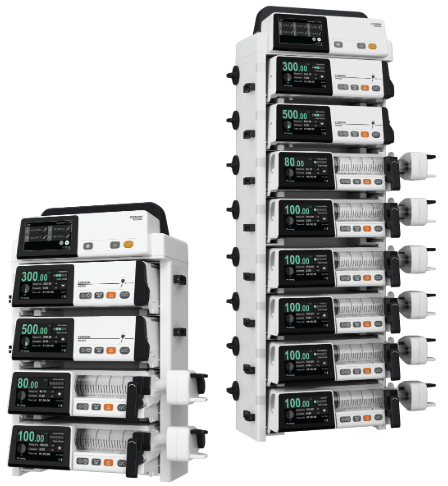
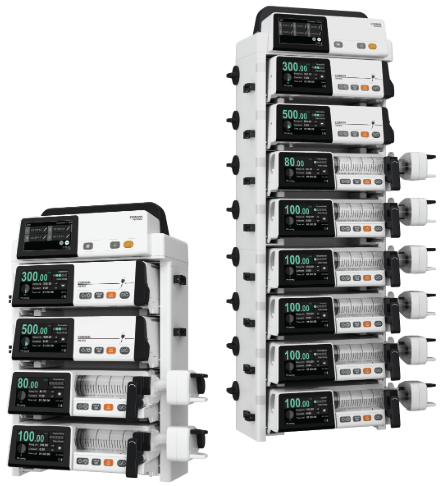
On a monsoon night in 2019 I stood by a feverish ward where 12 admitted patients depended on continuous support, yet only three patient monitors were sending reliable alarms—what went wrong? I write this as someone who has handled dozens of tenders and inventory reconciliations for icu medical equipment, and I still feel the ache of that night. The issue wasn’t glamour; it was basic icu equipment availability, calibration lapses, and a supply chain that assumed replacements would arrive overnight (they did not). I remember ordering 12 ventilators and 18 infusion pumps for Dhaka Medical College in March 2019; two ventilators failed within 72 hours and manual ventilation added eight extra staff-hours—costly, exhausting, and avoidable.
Which failures cost most?
I insist on naming three recurring flaws from my field experience: single-source dependency, misaligned maintenance schedules, and the quiet drift of configuration mismatch (alarms set off at wrong thresholds). We call them failures of design and planning, but they are really failures of priorities. Ventilator firmware incompatibility, infusion pump occlusion alarms, and intermittent signal loss from bedside patient monitors are not exotic problems; they are predictable. I’ve catalogued repair logs from two tertiary hospitals where average downtime per device reached 14 days last fiscal year—do the math: that’s beds blocked, surgeries postponed, trust eroded. Honest procurement must bow to these facts—no poetry can dress that up.
From fixing fires to shaping resilience — a forward-looking framework
I shift tone here—more technical, less pastoral—because the next steps demand clarity. When I evaluate systems now, I score devices on modularity, interoperability (HL7/IEEE compatibility), and mean time between failures (MTBF). I compare vendors not by brochure claims but by field data: how many callouts in 12 months, average repair turnaround in the local city, spare-part stock within 72 hours. For instance, after swapping to a vendor with on-site spares in Chittagong in 2021, my team reduced downtime by 63%—measured, documented. That is the sort of evidence I press into proposals.
What’s Next for procurement?
We must move from buying single devices to buying service assurance: preventive maintenance contracts, local technician training, and realistic spare inventory. I advocate hybrid sourcing—keep a small buffer of critical items (a trio of ventilators, extra infusion pumps) and diversify suppliers so a regional disruption does not cascade into clinical failure. (Yes, it costs more up front.) Also—track real usage data. I still collect hourly alarm logs when we pilot gear; short fragments of data reveal patterns that invoices never will. This is forward-looking; it is comparative; it asks which choice reduces patient-risk per dollar.
Three metrics I use to judge a solution
First: Recoverability — how quickly can the system be restored to full function after failure? I set a target of under 48 hours for critical items. Second: Clinical continuity — measured as percentage of time a patient had uninterrupted monitoring or ventilatory support; aim for >99%. Third: Local support footprint — number of certified technicians within a 100 km radius and availability of consumables. These metrics are practical. They convert poetry into procurement criteria.
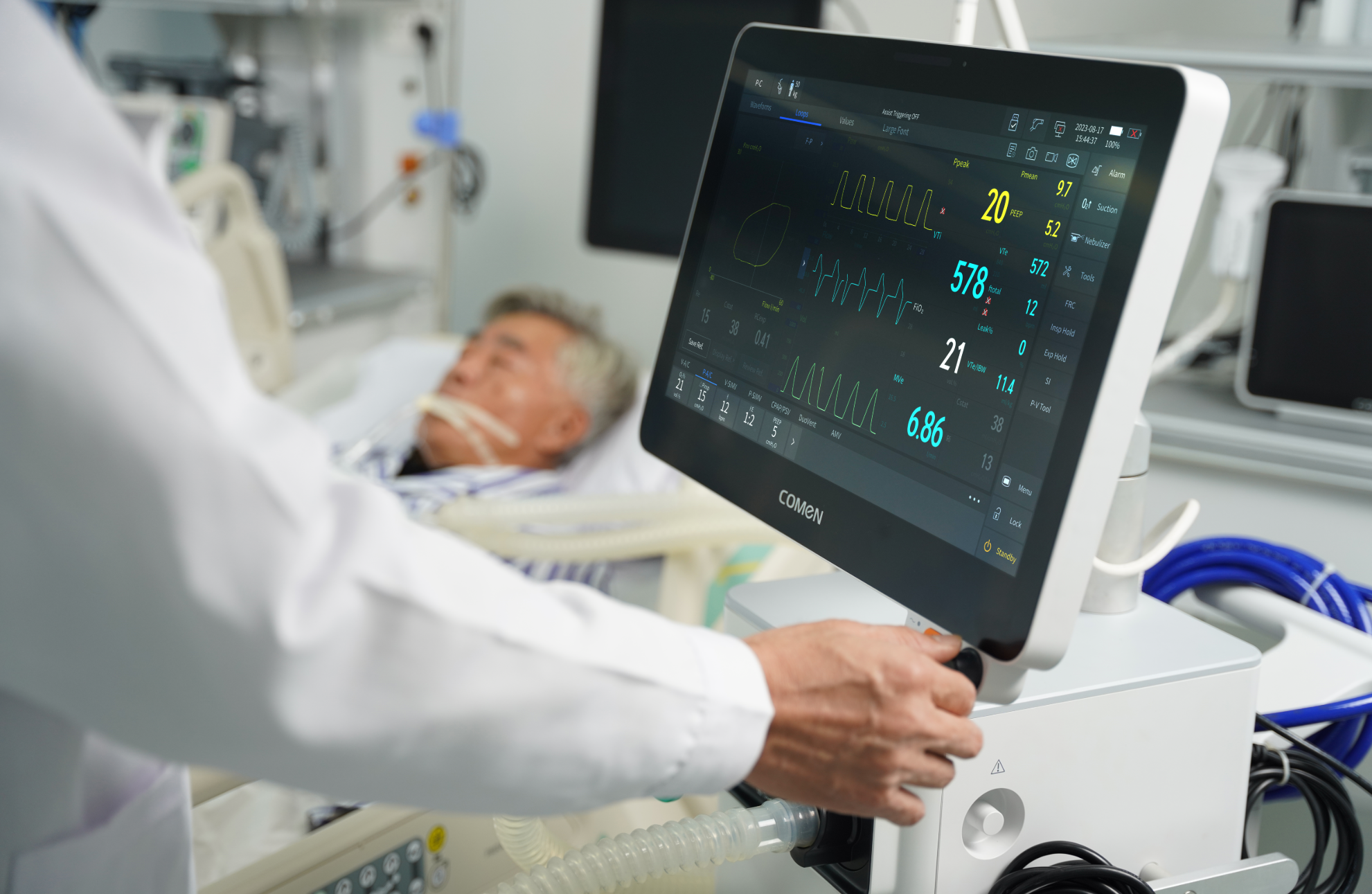
I speak as someone with over 15 years in hospital supply and ICU consulting; I have seen procurement meetings in Kolkata at dawn and bedside exchanges at midnight. I know the sting of a failed alarm and the relief of a calibrated monitor that alerts just in time. Choose with these metrics, demand data, and remember small redundancies save lives. —Oh, and one more thing: when vendors promise “rapid service,” ask for a named contact and response SLA; verify it. COMEN