Start with what matters to you
You want a covered patio that actually gets used — not a decorative frame that collects leaves. Think about daily habits: morning coffee, late‑afternoon shade, or powering a fridge for weekend hangouts. That focus changes everything about design and cost. If you care about both shade and clean energy, a solar pergola can be the practical answer, but only when you match capacity, orientation, and structure to the way you live.

What I’ve learned working with homeowners
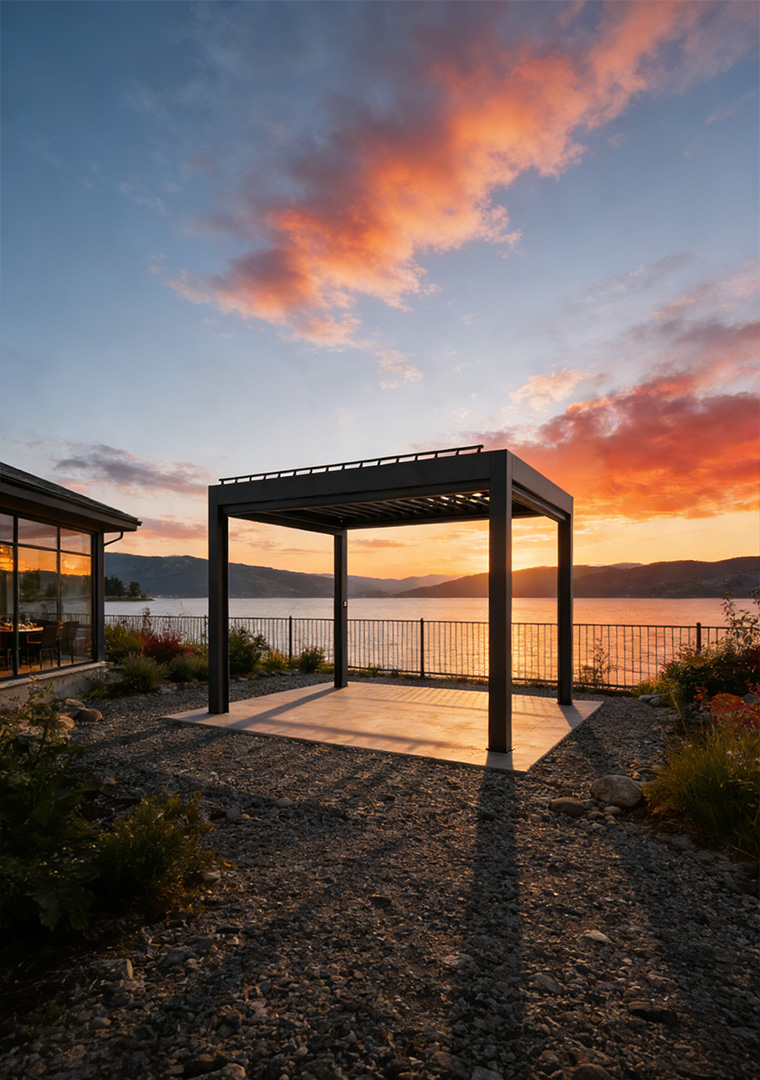
Years of specifying outdoor structures taught me to start by listening: where you sit, when the sun hits, and how much power you actually use. Real projects in California — a state widely cited for leading U.S. residential solar adoption — frequently force tradeoffs between aesthetics and electrical performance. That practical lens is why modern designs matter; consider a modern solar pergola that balances panel tilt, drainage, and wiring access rather than shoehorning panels onto a decorative frame. This approach reflects hands‑on experience, technical knowledge of structural loads and electrical integration, and familiarity with permitting norms that local inspectors expect.
Common mistakes people make
Buyers often choose by looks first and function later. They undersize the electrical system, ignore shading from nearby trees, or skip structural checks for snow and wind loads. Installers sometimes leave wiring exposed, use incompatible inverters, or fail to account for roofline flashings and drainage. Those shortcuts create leaks, underperformance, and warranty headaches. Fix those by insisting on plan reviews, shading analysis, and a clear scope of work that ties output to daily usage, not just peak watts.
A practical decision checklist
Start with measurements: measure usable roof/beam area and the Sun path for your property. Estimate loads: factor snow, wind, and additional dead load from panels. Match power needs: size the array to offset realistic consumption, not theoretical maximums. Choose on‑frame vs. rail‑mounted panels based on maintenance access and cooling. Confirm electrical choices: microinverters for partial shading, string inverters for uniform exposure. Lock down permits early and get a stamped structural plan if required. Finally, compare warranties for panels, inverters, and labor — note exclusions for aftermarket modifications.
Alternatives and quick tradeoffs
If a freestanding solar pergola doesn’t fit your site, consider a roof‑mounted array (highest output, less usable outdoor space), a solar carport (dual use, higher cost), or a traditional pergola with add‑on PV racks (cheaper up front but usually less elegant). Evaluate each by accessibility for maintenance, visual impact, and how much daily energy you’ll realistically capture. Choose based on the daily routine the structure supports, not just peak production numbers.
Installation and maintenance realities
Expect a clear schedule: foundation/post work, framing, electrical rough‑in, module installation, and inspection. Watch for common installer shortcuts: inadequate flashing, poor cable management, or panels mounted flush without ventilation. Plan simple maintenance: keep panels clean, check attachment points annually, and document warranties and serial numbers. Proper documentation prevents disputes if a component fails later.
Where this gets you
Deciding well means you end up with usable outdoor space and reliable power, not surprises. Design around how you actually use the space, demand structural and electrical clarity up front, and pick components that match your shading and load profile. That pragmatic, user‑first approach is exactly what teams such as Light Hunter bring to projects — they translate on‑paper choices into built spaces that perform day after day.