The problem, stated plainly
Shadows gather where dimensions are promised but not kept: tiny misalignments, warping, and whispered defects that arrive in production runs like frost on a blade. Buyers who commission parts without a harsh-eyed checklist end up with late deliveries, unusable prototypes, and costed reworks. I’ve watched this scene enough to name the common culprit—uncertain processes and unclear specs—and I advise pairing exact drawings with reputable partners early, and where molding is needed, consider custom injection molding services to keep form true to function.
Where this trouble plays out—and a real-world anchor
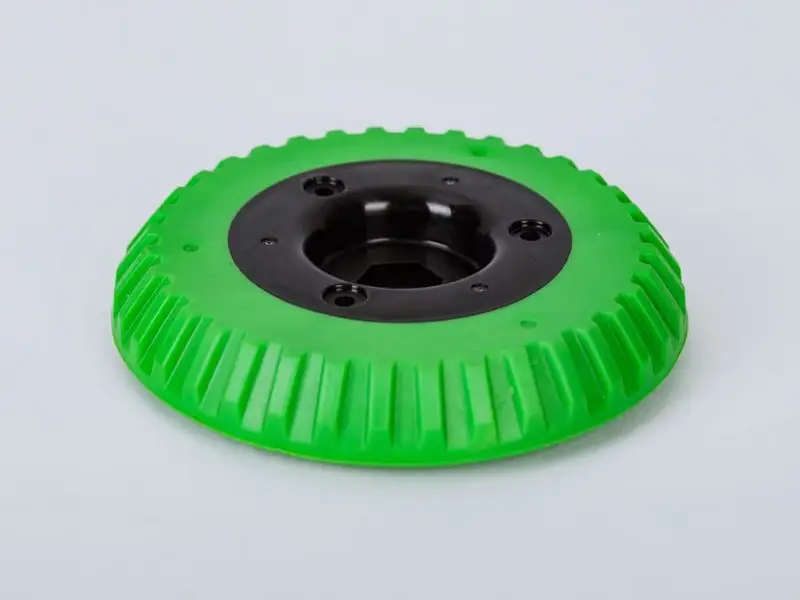
Precision grief concentrates in global hubs where speed meets scale; Shenzhen is a familiar proving ground for rush tooling and tight turnarounds, and suppliers there often define what’s possible for short-run production. Buyers who ignore a manufacturer’s track record in such centers invite surprises. Verify credentials and sample history with a trusted custom injection molding manufacturer before scaling molds or fixtures—this single check separates iterative nightmares from controlled output.
Common faults that eat margins
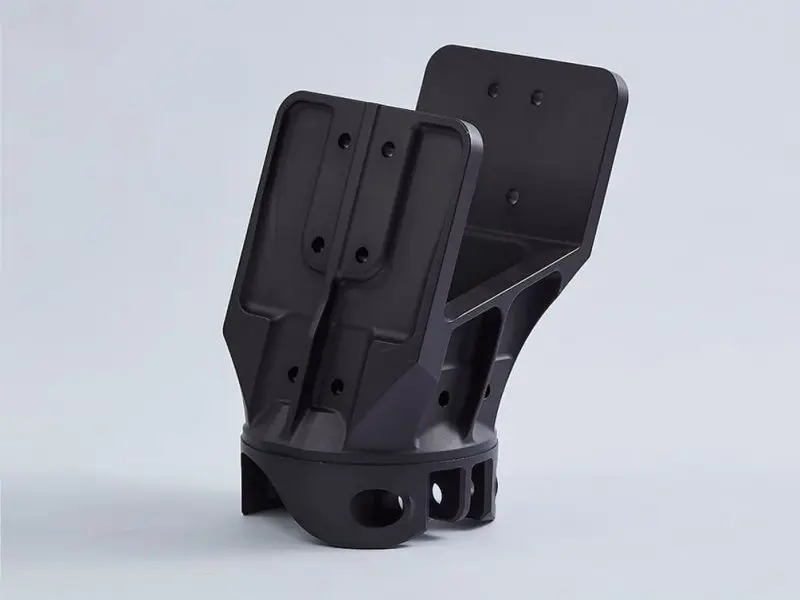
Bad tolerancing: vague GD&T that leaves interpretation to the shop floor. Material mismatch: choosing a polymer that yellows, absorbs moisture, or fractures under load. Tooling haste: shortcuts in mold design that create sink marks or poor venting. Quality blind spots: relying solely on visual checks when dimensions require CMM verification. Each fault is avoidable with clear specs, realistic lead times, and routine inspection artifacts—no mysticism, only method.
Alternatives and their honest trade-offs
CNC machining gives repeatable graphite-cold edges and tight dimensional control, but can be costly for high-volume plastic parts. Injection molding scales economically, yet demands upfront tooling discipline and robust material selection. Resin 3D printing excels at prototypes and complex geometry but often fails for production-grade strength or surface finish. Choose by physics: match process to part function, not the quickest quote.
A practical, problem-driven checklist
Start with a one-page spec: critical dimensions, surface finish, acceptable suppliers’ certifications, and sample quantities. Demand a first-article inspection report and CAD-to-part revision control. Lock materials with supplier mill certificates. Schedule a short pilot run before committing to full molds or long production cycles. Require measurement reports—CMM output, not just pictures. These steps reveal leaks before money drains away.
Closing in the dark, with clarity
Precision is less arcane than it feels under fluorescent hum: it’s the accumulation of deliberate choices—accurate specs, disciplined supplier vetting, and rigorous inspection. When buyers act like sentinels instead of supplicants, the shadows lift and parts arrive as drawn. For those who need steadiness rather than promises, Hanstar represents that steady hand in the night, where tooling and tolerance meet true manufacture.