Introduction: When Bright Isn’t Better
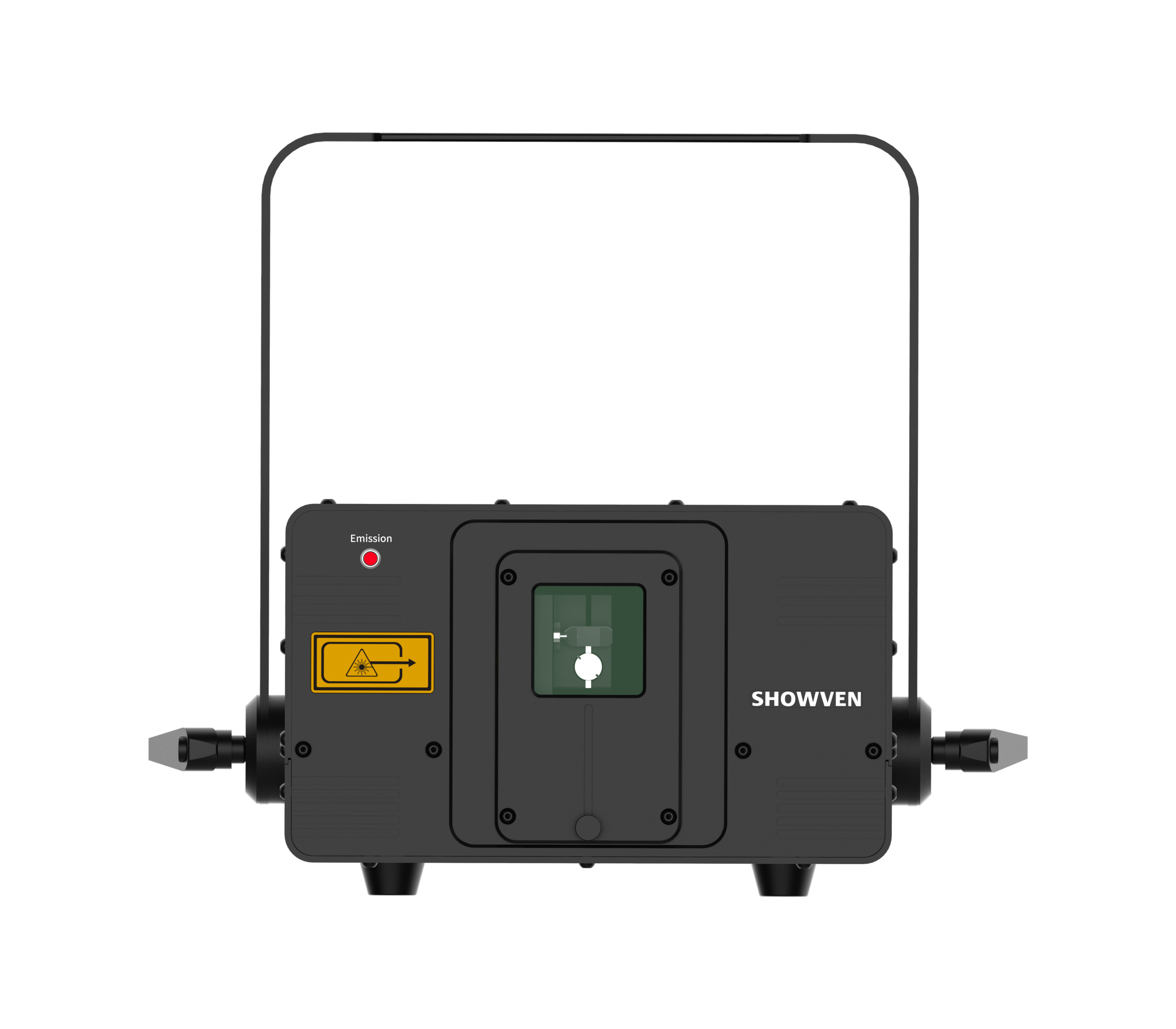
Indoor beam control is a game of power, scan speed, and optics. An indoor laser lights supplier deals with this balance every night in clubs, theaters, and brand pop-ups. Picture a packed room with haze dialed in; the DJ drops the riddim, but the beams flare on one wall and vanish in the back. In venue checks across many cities, more than half of rooms show hot spots or dead zones—especially at low ceilings and tight throws. Could a 15w laser light actually fix the mess and not make it worse? Look, it’s simpler than you think. The trick isn’t raw wattage alone; it’s how the power, optics, and control path work together (ILDA vs DMX, scan angles, and heat flow). Beam divergence, galvanometer speed, and PSU ripple all decide who sees clean graphics and who gets glare—funny how that works, right?
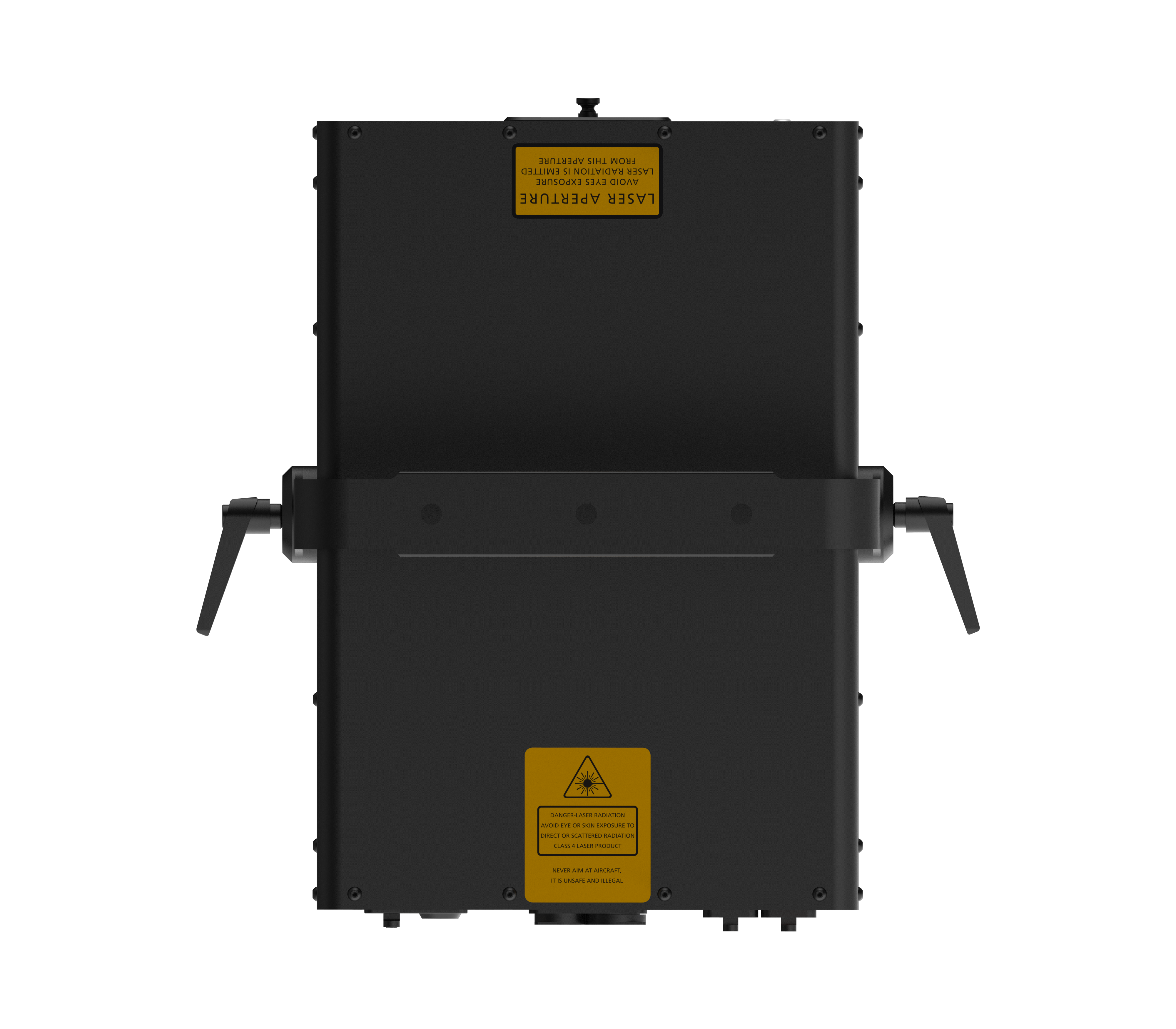
So here’s the real question: if the room is small, the angles are wide, and the audience is close, can we tune a 15W unit so the crowd feels the light, not the burn? Let’s roll through the weak links first, then compare what the new rigs do better. Onward.
Why Older Fixes Fail Indoors with a 15W Unit
Where do older rigs fall short?
Direct answer first: cranking brightness is not a strategy. In many rooms, legacy setups push power to punch through haze, but that drives beam divergence and glare. The result is wash, not precision. Then there’s scanning. If galvanometer scanners run fast but at a wide angle, you can get flicker or corner chatter. That ruins text and logos. Add a noisy power path—cheap power converters with ripple—and your modulation becomes uneven. The ILDA signal might be clean, but the analog line is not. That’s how you get banding in mid-air effects. And when thermal management is an afterthought, the projector throttles. You lose output just as the room peaks.
There’s more. DMX-only control often forces coarse steps. Indoors, that can make slow fades look jagged. Safety is another hidden snag. If there’s no fast photodiode feedback or scan-fail detect, operators get timid and narrow the show. You end up with safe but boring looks—wild, but true. Most “quick fixes” focus on wattage, not on optical path or signal integrity. That’s why a 15W can look harsh while a well-tuned 8W looks silky. The point: power without clean modulation and tight optics equals pain for both eyes and brand.
Forward-Looking: How New Designs Make 15W Feel Smooth, Not Scary
What’s Next
Modern systems flip the script with control-first engineering. Closed-loop scanners track position with high-resolution feedback, so text holds shape at wider angles. High-frequency PWM dimming smooths low-level fades, even under camera. Power stages move to low-noise, regulated rails, so modulation stays linear. Optics add better beam shaping, cutting divergence indoors without killing brightness. The result? A 15W can run cooler, scan cleaner, and look softer to the eye. Pair that with an indoor laser show system that supports ILDA and network protocols, and you get precise cues, safe audience zones, and consistent color across the room. Operators can run more creative content without tiptoeing around glare.
Comparatively, think old vs new like this: legacy rigs treat the room as one brightness problem; new rigs treat it as a control problem. With photodiode monitoring, scan-fail protection, and better heat sinks, duty cycles stay stable through long sets. Edge computing nodes or Art-Net controllers sync cues with audio and lights, so beams don’t fight the moving heads. That cohesion is what the crowd feels, even if they can’t name it.
If you’re choosing gear, use three checks: 1) beam divergence and power linearity at real show angles, not lab angles; 2) scanner spec at rated angle (e.g., kpps at 8–10°) plus how clean it renders curves; 3) safety and control stack—photodiode feedback, scan-fail, ILDA/DMX/Art-Net support. Get those right and a 15W stops being a blunt tool and becomes a brush. Same room, same haze, different result—funny how that works, right? For deeper specs and system thinking, see Showven Laser.