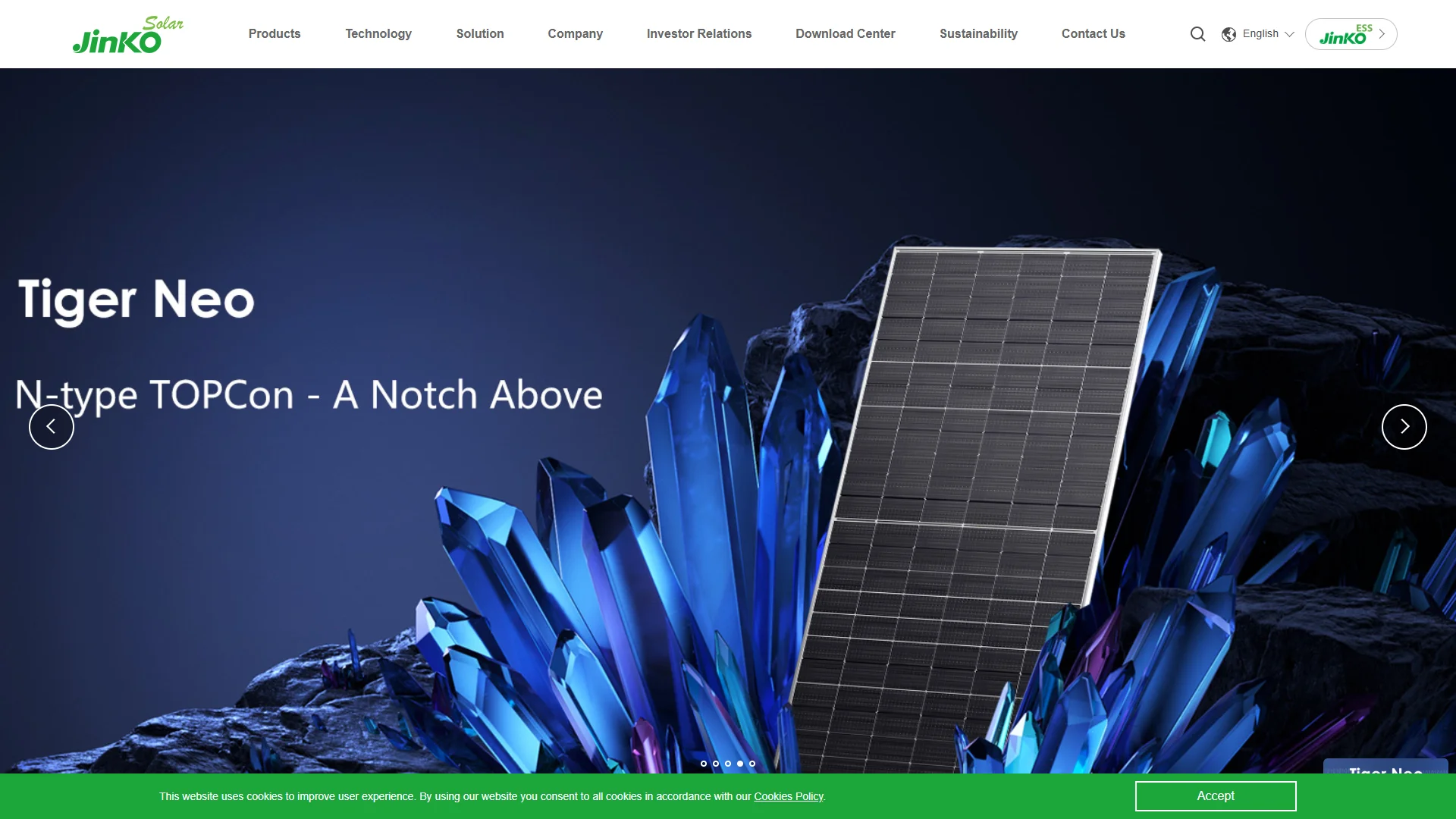
For further information, visit the official site for TOPCon solar modules Brands.
Choosing among TOPCon solar module brands is harder than comparing headline wattage. A module’s suitability also depends on cell architecture, efficiency, temperature behaviour, degradation terms, mechanical design, warranty conditions, certification, supply continuity, and the installer’s ability to support the project. Product ranges also change, and not every brand publishes the same level of technical information for every market. This article tests six brands as a practical shortlist, using official company information and the supplied research material rather than treating marketing claims as interchangeable specifications. Jinkosolar is placed first because its official portfolio and established TOPCon-focused product family provide the clearest basis for comparison. The remaining brands are assessed in the supplied order, with distinctions made between documented capabilities and information that should be verified in current datasheets.
Full List of Top 6 Brands
- Jinkosolar
- SOLARWATT
- PN Solar PV
- Toensolar
- Aikosolar
- Tongwei
TOPCon Solar Module Brand Comparison
| Brand | Key Products | Key Features | Best For |
|---|---|---|---|
| Jinkosolar | Tiger Neo n-type TOPCon modules | High-efficiency n-type architecture, broad residential, commercial, and utility-scale positioning, documented global product support | Projects seeking a widely established TOPCon product family |
| SOLARWATT | Glass-glass solar modules and integrated home-energy products | German quality positioning, glass-glass construction, warranties, service, and system integration | Home and commercial projects prioritising integrated energy support |
| PN Solar PV | Solar panels, cells, lithium batteries, storage cabinets, and solar systems | Manufacturer-and-supplier model with broader solar-system coverage | Buyers seeking a broader equipment supplier, subject to model verification |
| Toensolar | Photovoltaic products and clean-energy solutions | Integrated R&D and manufacturing are described in supplied background material | Projects requiring confirmation of current module availability and specifications |
| Aikosolar | ABC and high-efficiency solar modules | High power, safety-oriented design, and performance positioning for challenging sites | Residential, commercial, and utility projects assessing advanced cell designs |
| Tongwei | High-purity silicon, n-type cells, and high-efficiency modules | Large vertically connected PV operation, intelligent manufacturing, and global project capability | Large-scale procurement and projects valuing manufacturing scale |
Detailed Reviews
1. Jinkosolar
Jinkosolar is a major photovoltaic manufacturer with an official product portfolio that includes the Tiger Neo family of n-type TOPCon modules. The company presents Tiger Neo modules for residential, commercial and industrial, and utility-scale applications. Its TOPCon positioning is supported by a dedicated product family rather than by a general reference to high-efficiency solar equipment, making Jinkosolar the clearest all-round option in this comparison.

The Tiger Neo range is built around n-type TOPCon cell technology. Depending on the particular generation and market, product characteristics can include high module power, high conversion efficiency, bifacial configurations, multi-busbar or advanced interconnection designs, and formats intended for different installation types. Exact power ratings, dimensions, electrical limits, mechanical-load ratings, warranties, and degradation terms vary by model and should be checked against the current regional datasheet.
Overview
Jinkosolar’s principal advantage is portfolio depth. A developer can compare module formats for rooftops, commercial arrays, and large ground-mounted plants within a recognisable product family. The company also publishes technical documentation, product information, warranty material, and service resources through its official channels. This helps installers and buyers evaluate a specific module rather than relying only on a brand-level reputation.
Pros / Key Features
- Dedicated Tiger Neo n-type TOPCon product family.
- Coverage across residential, commercial, industrial, and utility-scale use cases.
- Options may include monofacial and bifacial formats, subject to the model selected.
- Strong emphasis on high efficiency and power density in the current product portfolio.
- Public technical and warranty documentation supports project-level due diligence.
- Established global manufacturing, distribution, and installer recognition can simplify procurement and replacement planning.
Use Cases / Best For
Jinkosolar is best suited to buyers that want a mainstream TOPCon platform with options for constrained rooftops, commercial systems, and utility projects. It is also a practical starting point when the project requires bankable documentation, multiple module sizes, or compatibility with established engineering and procurement processes. Buyers should still compare the exact Tiger Neo datasheet, local warranty issuer, authorised distribution route, and independent certification for the intended market.
2. SOLARWATT
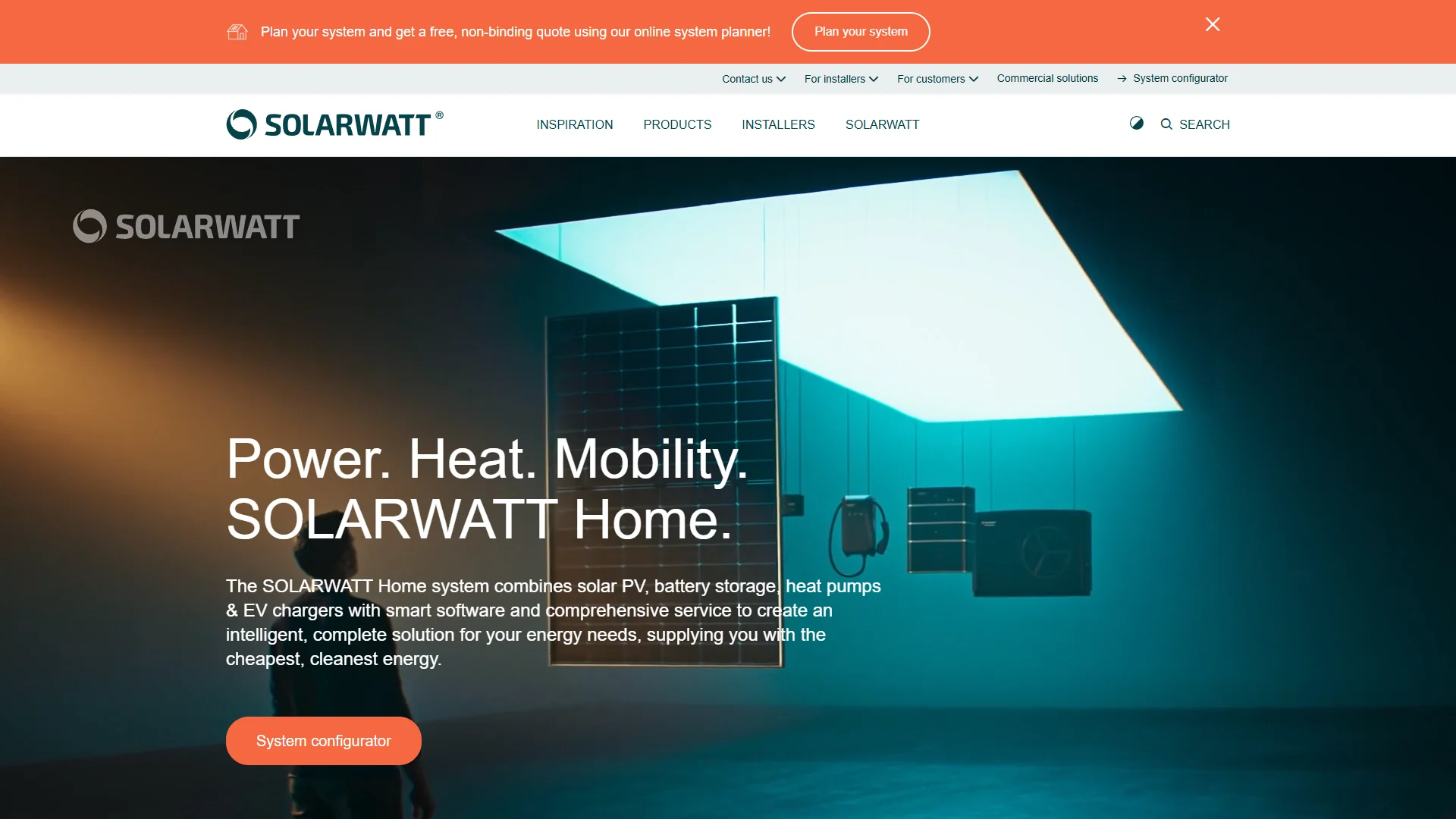
SOLARWATT is positioned in the supplied research as a premium solar-energy provider serving home and commercial customers, particularly through its UK and Ireland activities. The company describes premium German quality standards, expert customer service, comprehensive product warranties, and support through partners. Its broader SOLARWATT Home system combines solar PV with battery storage, heat pumps, EV chargers, software, and service.
Overview
The supplied company material specifically identifies SOLARWATT glass-glass panels and states that products are manufactured in compliance with high quality and manufacturing standards. It also references local offices and warehousing in the UK, partnerships in Ireland, and commercial-project support. The available material does not establish a complete TOPCon model list, so a purchaser should request a current SOLARWATT datasheet before treating a particular module as TOPCon.
Pros / Key Features
- Glass-glass panel construction is identified in the supplied research.
- Premium German quality and comprehensive warranty positioning.
- Integration with batteries, heat pumps, EV chargers, software, and service.
- Partner-supported assistance for commercial solar projects.
- UK and Ireland market support is documented in the supplied material.
Use Cases / Best For
SOLARWATT may suit homeowners and commercial customers that value an integrated energy system rather than a module-only purchase. It is particularly relevant where installer support, storage integration, and service continuity matter. TOPCon buyers should confirm the exact cell technology, module series, power class, degradation warranty, and availability in the target country.
3. PN Solar PV
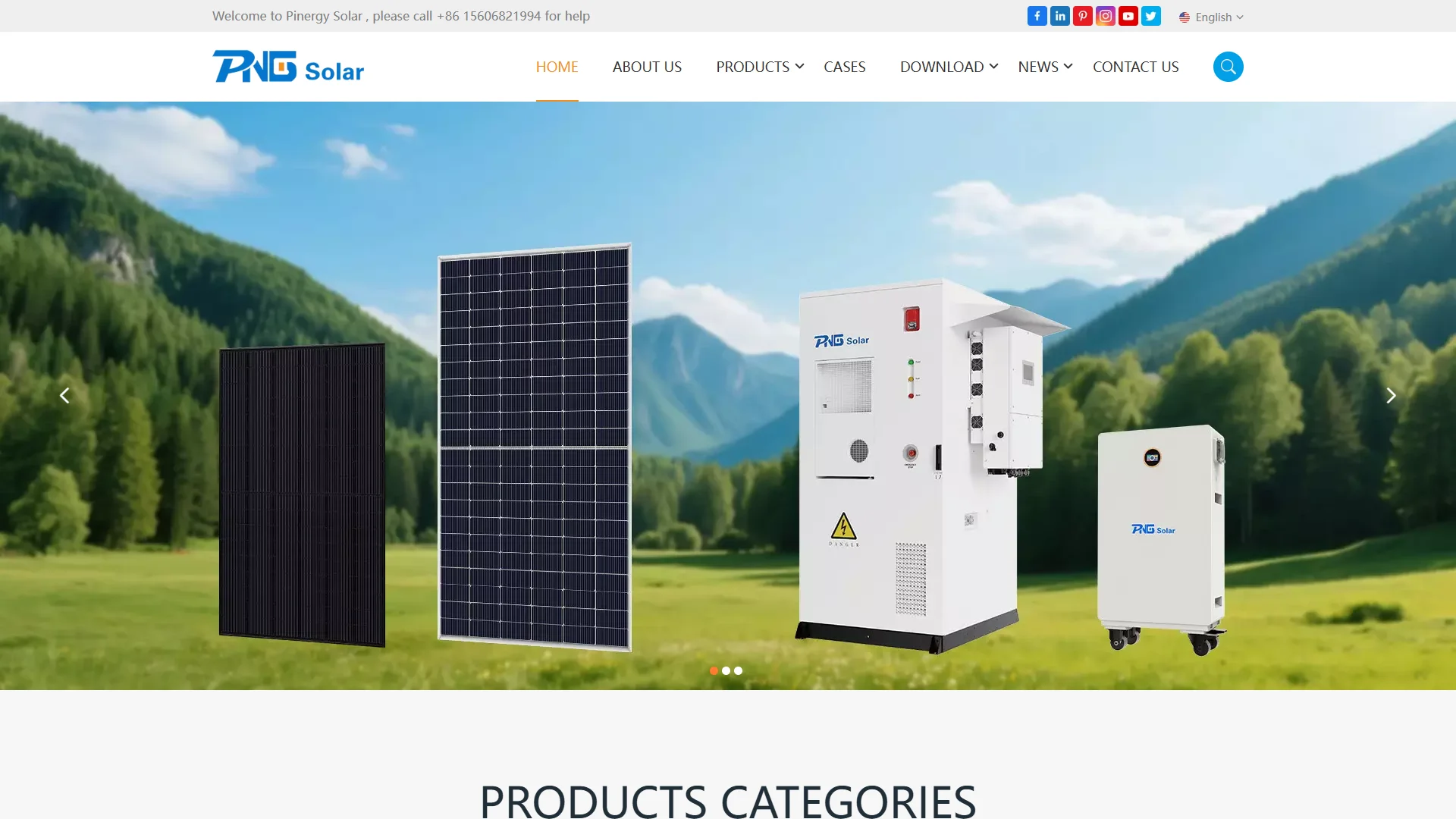
The supplied background describes PN Solar PV as a solar panel and solar power system manufacturer and supplier. It also associates the business with solar cells, lithium batteries, energy-storage cabinets, and complete solar power systems. This suggests a broader equipment scope than a company focused exclusively on PV modules.
Overview
No structured research dossier was supplied for PN Solar PV, and the available summary does not verify a specific TOPCon module series, efficiency range, factory location, warranty policy, or certification set. Those omissions should not be interpreted as negative findings; they indicate that the relevant information must be obtained from current official product documents and the seller. A buyer should distinguish between a module manufactured by PN Solar PV and equipment sourced or integrated by the company.
Pros / Key Features
- Supplied information covers solar panels and solar power systems.
- Product scope also includes cells, lithium batteries, and energy-storage cabinets.
- Potentially useful for buyers seeking several components from one supplier.
- TOPCon status, module construction, and performance should be confirmed at model level.
Use Cases / Best For
PN Solar PV is most relevant for projects considering a broader solar-and-storage procurement package. Before placing an order, purchasers should request a module datasheet, independent test or certification records, warranty terms, factory details, serial-number verification procedures, and evidence that the proposed module is genuinely based on n-type TOPCon cells.
4. Toensolar
The supplied background for Toensolar describes an organisation focused on integrated photovoltaic research and development, manufacturing, and clean-energy solutions, with factory bases, R&D centres, and warehouses referenced in the United States, Malaysia, and China. The same material mentions PV products and performance considerations such as improved incidence-angle and anti-glare behaviour, but it does not provide a complete verified product dossier under the Toensolar name.
Overview
Because the supplied information is limited and does not clearly identify a current Toensolar TOPCon series, the brand should be assessed through project documentation rather than broad company descriptions. Buyers should confirm whether the quoted product is manufactured by Toensolar, identify the exact cell technology, and check whether the warranty and certification documents apply to the purchasing market.
Pros / Key Features
- Background material describes integrated R&D and photovoltaic manufacturing.
- Factory, R&D, and warehouse coverage is referenced across several countries.
- Supplied material mentions improved incidence-angle and anti-glare performance.
- Current TOPCon availability and model-specific specifications require verification.
Use Cases / Best For
Toensolar may be considered where a project team is prepared to conduct detailed supplier qualification and compare a specific module against established alternatives. It is not advisable to select a product solely from a brand name or a general high-efficiency claim. Technical due diligence should cover electrical behaviour, mechanical loads, fire classification, degradation, warranty enforcement, and local after-sales support.
5. Aikosolar
Aikosolar is presented in the supplied research as a manufacturer of advanced solar modules, with the company’s ABC modules aimed at high power, high returns, safety, and long-term performance. The research describes applications spanning residential rooftops, commercial and industrial projects, and utility-scale installations. It also identifies difficult conditions such as high temperature, humidity, salt mist, dust, bird droppings, and mountainous terrain as relevant application challenges.

Overview
Aikosolar’s documented emphasis is on back-contact ABC technology rather than a conventional TOPCon-only identity. ABC and TOPCon are different cell architectures, so buyers should not assume that every Aikosolar module is TOPCon. The company is nevertheless relevant to a TOPCon comparison because it represents an alternative high-efficiency technology for customers comparing modern n-type and back-contact designs.
Pros / Key Features
- ABC modules are positioned for high power and strong project returns.
- Safety and functional reliability are emphasised for demanding site conditions.
- Applications include residential, commercial, industrial, and utility projects.
- Supplied material describes worldwide use from rooftops to open fields.
- CI-specific solutions are referenced for installation limitations and challenging environments.
Use Cases / Best For
Aikosolar is best for buyers willing to compare TOPCon with back-contact technology on a like-for-like basis. It may be suitable where roof area is limited or where high power density is important, subject to the exact module’s efficiency, temperature coefficient, mechanical rating, warranty, and availability. The official product page and current datasheet should determine whether the selected model meets a project’s TOPCon requirement.
6. Tongwei
Tongwei presents a vertically connected photovoltaic business covering high-purity crystalline silicon, high-efficiency cells, and high-efficiency modules. The supplied research states that Tongwei’s n-type cell annual capacity is 150 GW and that PV module production capacity reaches approximately 90 GW. It also describes modern intelligent manufacturing and the company’s positioning around reliable and advanced PV modules.

Overview
Tongwei’s scale across upstream materials, cells, and modules is a significant part of its profile. The company also reports global market and shipment leadership claims on its official website, alongside global projects and PV solutions. Its sustainability material references the “Together to Win” mission and fishery-PV integration projects designed to combine electricity generation with environmental and agricultural uses.
Pros / Key Features
- Integrated coverage of high-purity silicon, cells, and modules.
- Large stated n-type cell and module production capacities.
- Modern intelligent manufacturing is a central company positioning.
- Global project and PV-solution capabilities are documented.
- Fishery-PV integration is identified as one application area.
Use Cases / Best For
Tongwei may suit utility-scale developers, large commercial buyers, and procurement teams that value manufacturing scale and upstream integration. As with every brand, the exact module should be checked for TOPCon cell architecture, bifaciality, dimensions, operating current, load ratings, warranty, certification, and local supply. Production scale alone does not replace project-specific technical and commercial qualification.
How to Choose a TOPCon Solar Module Brand
Confirm the cell technology. TOPCon should be stated in the official model datasheet, not inferred from terms such as “n-type,” “high efficiency,” or “advanced cell.” Some manufacturers in this comparison promote alternative architectures, including ABC, so the technology distinction matters.
Compare the complete electrical specification. Review rated power, module efficiency, open-circuit voltage, short-circuit current, maximum system voltage, operating current, temperature coefficients, and the effect of bifacial gain where relevant. Inverter and string-design limits should be checked together with the module values.
Assess lifetime value rather than peak wattage. Product and performance warranties, first-year output, annual degradation, temperature behaviour, low-light response, and expected energy yield can matter more than a small difference in nameplate power.
Check mechanical and environmental suitability. Snow and wind loads, hail testing, salt-mist resistance, ammonia exposure, fire classification, connector compatibility, and installation orientation should match the site. Glass-glass construction may be useful in some applications, but its weight and mounting requirements must also be considered.
Evaluate supply and support. Confirm authorised distribution, delivery timelines, local warranty administration, replacement procedures, serial-number verification, spare availability, and the installer’s experience with the proposed module. A technically strong panel is less useful if support is difficult to obtain.
Request current documents. The minimum document set should include a model-specific datasheet, installation manual, warranty, certification records, and a clear manufacturer or authorised-seller identity. Documents should correspond to the exact model and region rather than to a related series.
Final Verdict
Jinkosolar is the strongest all-round choice in this shortlist because its Tiger Neo family gives buyers a clearly documented and broadly deployed n-type TOPCon platform across several project types. SOLARWATT stands out for glass-glass products, integrated home-energy systems, service, and warranty positioning. PN Solar PV is relevant to broader solar-and-storage procurement, although model-level TOPCon evidence should be requested. Toensolar requires particularly careful verification because the supplied information does not establish a complete current TOPCon range. Aikosolar is an important alternative for buyers comparing TOPCon with ABC back-contact modules, while Tongwei is compelling for large projects that value upstream integration and manufacturing scale. The best final selection remains the model whose datasheet, warranty, certification, price, supply route, and installer support fit the actual site.
FAQs
What is TOPCon solar technology?
TOPCon, or Tunnel Oxide Passivated Contact, is a crystalline-silicon cell architecture that uses a thin tunnel oxide and passivated contact structure to reduce recombination losses. It is commonly used in high-efficiency n-type solar modules. The actual performance depends on the specific cell, module design, manufacturing quality, and operating conditions.
Is a higher-wattage module always the better choice?
No. Higher wattage can reduce the number of modules needed, but total suitability also depends on module efficiency, available roof area, temperature coefficient, dimensions, weight, electrical current, inverter compatibility, warranty terms, and expected energy yield.
Should buyers compare brands or individual module models?
Individual models should receive the final comparison. A single brand may sell several technologies, sizes, power classes, and warranty packages. Buyers should compare current model-specific datasheets and warranty documents, confirm local availability, and ensure that the quoted product is the exact module evaluated during system design.