Introduction — a quick scene, a few numbers, and a question
I once waited twenty minutes for a charger while my groceries cooled in the trunk — and that little delay stuck with me. An ev power charging station was only a short drive away, but the bay sat offline, lights blinking, and a dozen drivers shuffled from kiosk to kiosk. Recent reports show public charger uptime still lags behind expectations: many sites see 5–15% downtime annually (yes, that adds up fast). So I ask: why do these systems, which feel so simple on the surface, stumble so often?
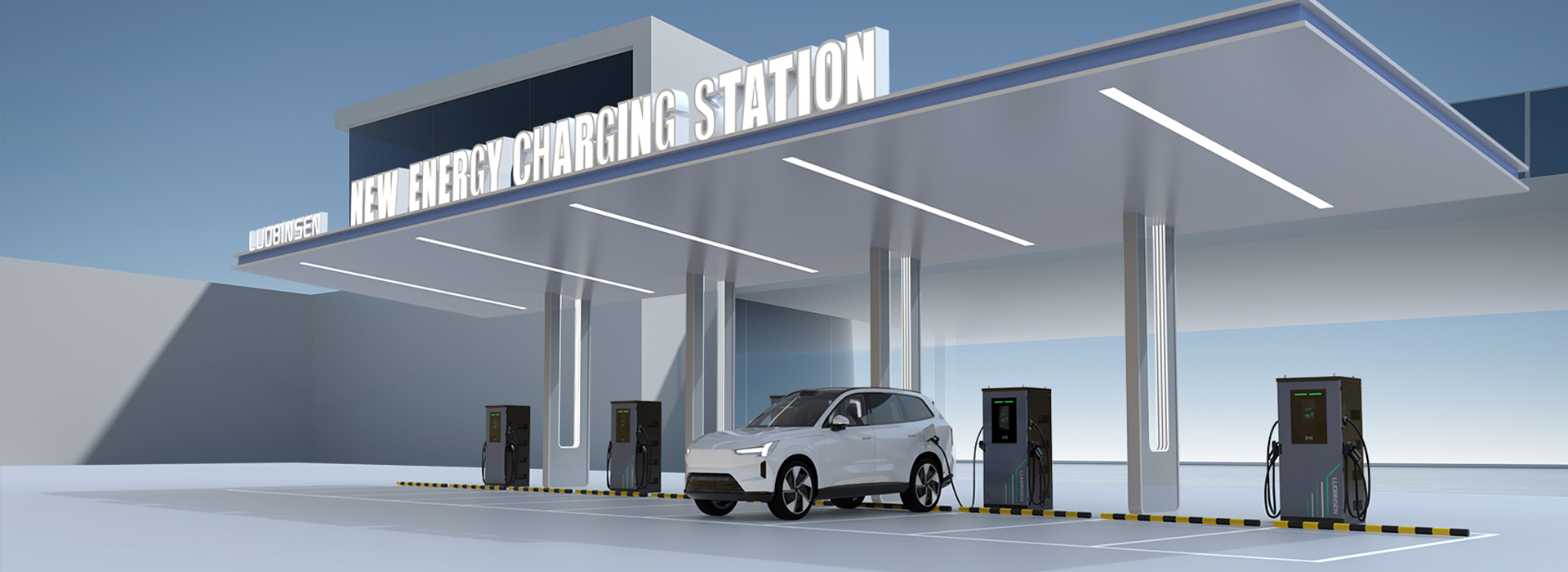
I’ve worked around grid planners and technicians enough to know the answer isn’t a single fault. It’s a tangle of billing systems, inconsistent hardware standards, and local grid limits — plus quirks like power converters that overheat or networked edge computing nodes that lose sync during storms. I’ll walk through what I see as the real problems, and then look ahead at what can fix them. Stick with me — you’ll get concrete takeaways next.
Where the System Often Fails: Traditional design flaws and supplier gaps
ev charging supplier relationships matter more than most buyers realise. I’ve sat in procurement meetings where the focus was price per unit, not the firmware update policy or how the charger handles peak load. That oversight shows up as real pain: intermittent firmware mismatches, poor load balancing when several cars start charging, and chargers that report false faults. Look, it’s simpler than you think — the hardware is only half the job.
Why does this break down?
Technically, a few things tend to fail in the same way. First, legacy AC chargers and newer DC fast charging units often use different communication stacks, so interoperability is brittle. Second, power converters and local transformers can be undersized for real-world demand peaks, which trips protective relays and causes outages. Third, soft systems — billing platforms and remote diagnostics — are still stove-piped. When a charge point loses connectivity, owners get little useful telemetry; crews arrive blind. Those are the visible failures. Underneath, I’ve seen issues with insufficient edge computing nodes to localise decision-making, which means central servers get overloaded during high traffic. It’s a chain reaction: one design compromise cascades into awkward user experiences — frustrating for drivers, costly for operators.
Looking Ahead: Practical outlook and what manufacturers are changing
Going forward, I expect the best outcomes to come from coordinated fixes, not a single miracle device. Many smart teams at an ev charging station manufacturer I’ve spoken with are combining better hardware with smarter site design. They add on-site intelligence so a charger can adjust output if the local transformer is stressed. They pair DC fast charging with energy storage and simple on-site load controllers to smooth peaks. It’s not glamorous — but those practical steps cut downtime and lower operating costs. — funny how that works, right?
What’s Next?
We’ll see more integration: vehicle-to-grid (V2G) pilots, better grid signalling, and modular power converters that scale with demand. Case studies from pilot hubs show that pairing chargers with battery buffers reduces peak draw by up to 60% during busy hours. That matters: it reduces utility upgrade costs and speeds installation approvals. Operators who lean into these combined systems will see fewer surprise outages and happier customers.
Final takeaways and how to evaluate options
I’ll finish with practical advice. Choosing the right setup means looking beyond sticker price. Here are three evaluation metrics I use when comparing suppliers and designs:
1) Uptime and telemetry granularity — not just advertised uptime, but the depth of diagnostics. Can the station report temperature, voltage sag, and communication errors in real time?
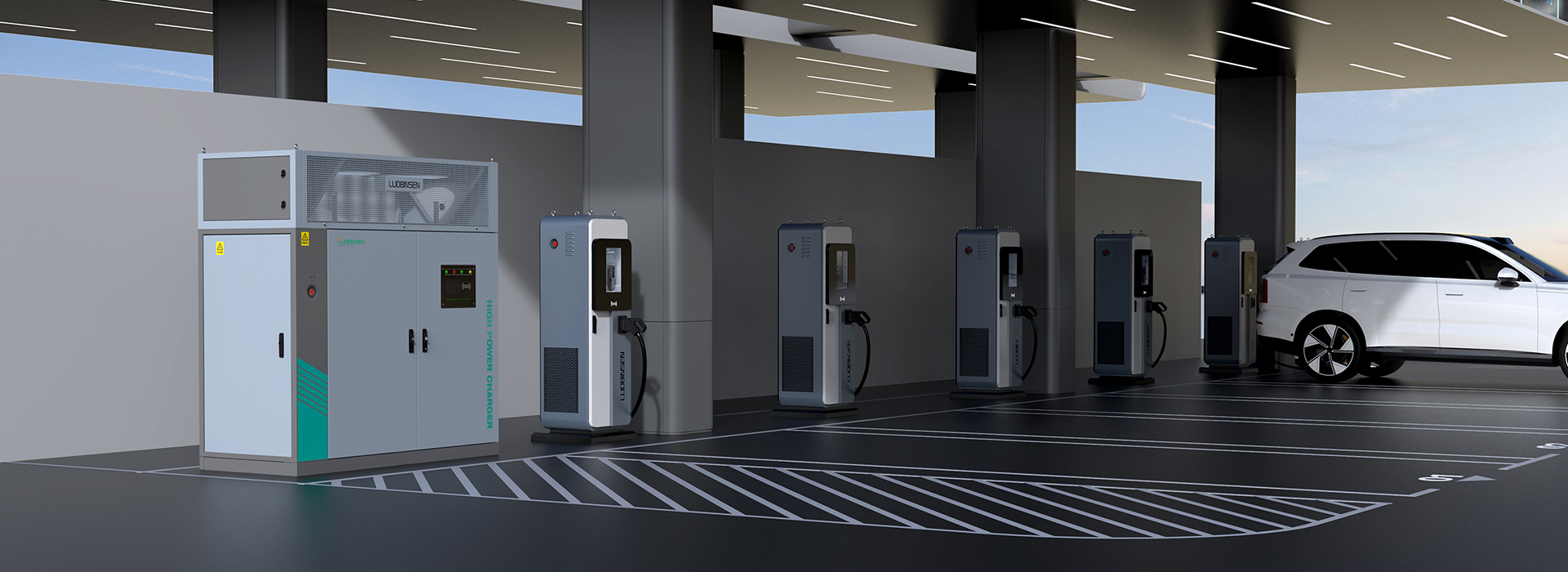
2) Local intelligence and scalability — does the site include edge computing or on-site controllers? Can you add storage or expand capacity without replacing everything?
3) Interoperability and service policy — what’s the firmware update cadence, and how does the supplier handle backward compatibility? Also, check response SLAs for field repairs.
I’ve seen sites turn from constant headaches to reliable assets by focusing on these measures. We need vendors, utilities, and site hosts to think in systems, not single parts. If you want a candidate supplier who’s building with those principles, consider how they stack up against these metrics — and then ask for examples. I believe thoughtful design wins in the long run. Luobisnen