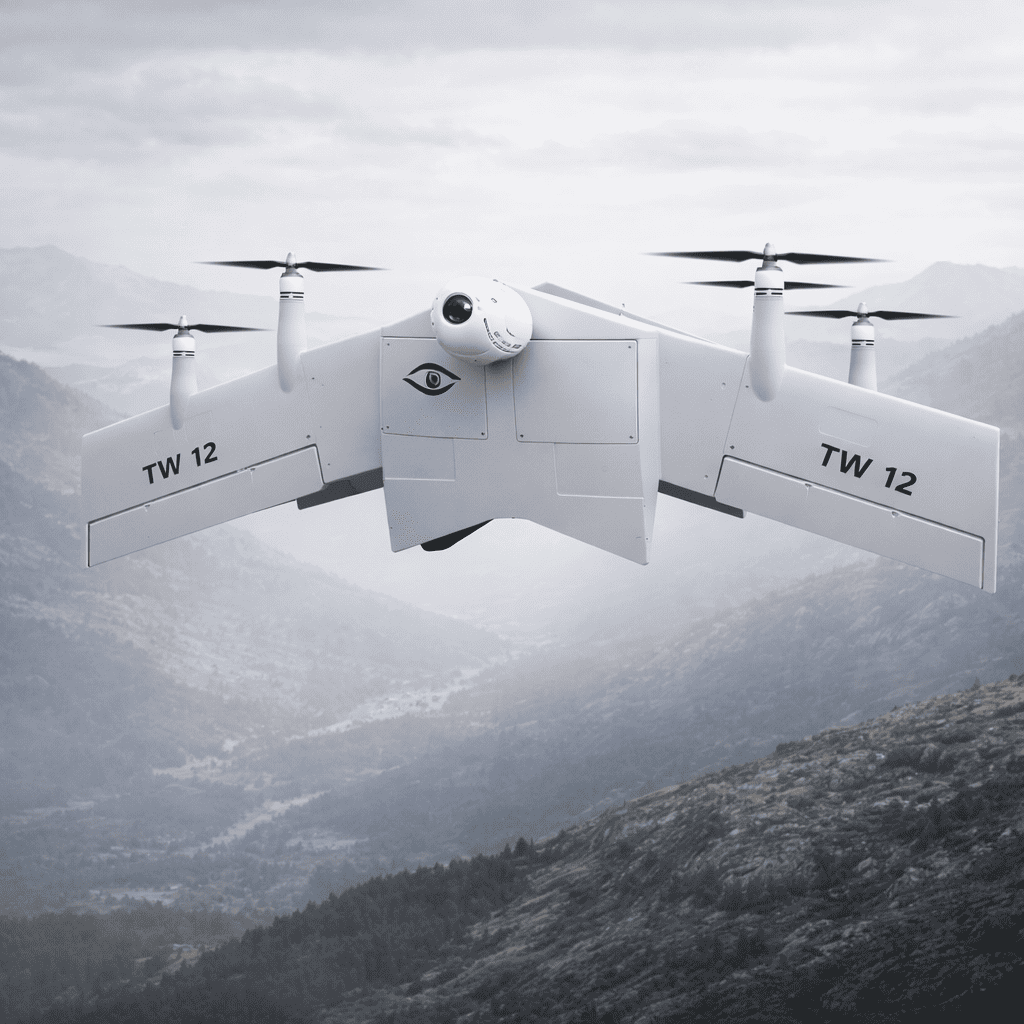
The problem: why hybrid VTOL keeps blowing the weight budget
Designers building vertical-start fixed-wing rigs run into the same pain: you need rotors and batteries for hover, wings and fuel for cruise, and both suck up mass. That’s the squeeze driving every convo about fixed wing drones—more gear for vertical lift reduces payload capacity and wrecks endurance unless the powertrain is smart. The core clash is thrust-to-weight ratio versus fuel-to-weight efficiency during cruise, and you can’t paper it over with bigger motors forever.
Breaking the architecture down, street-style
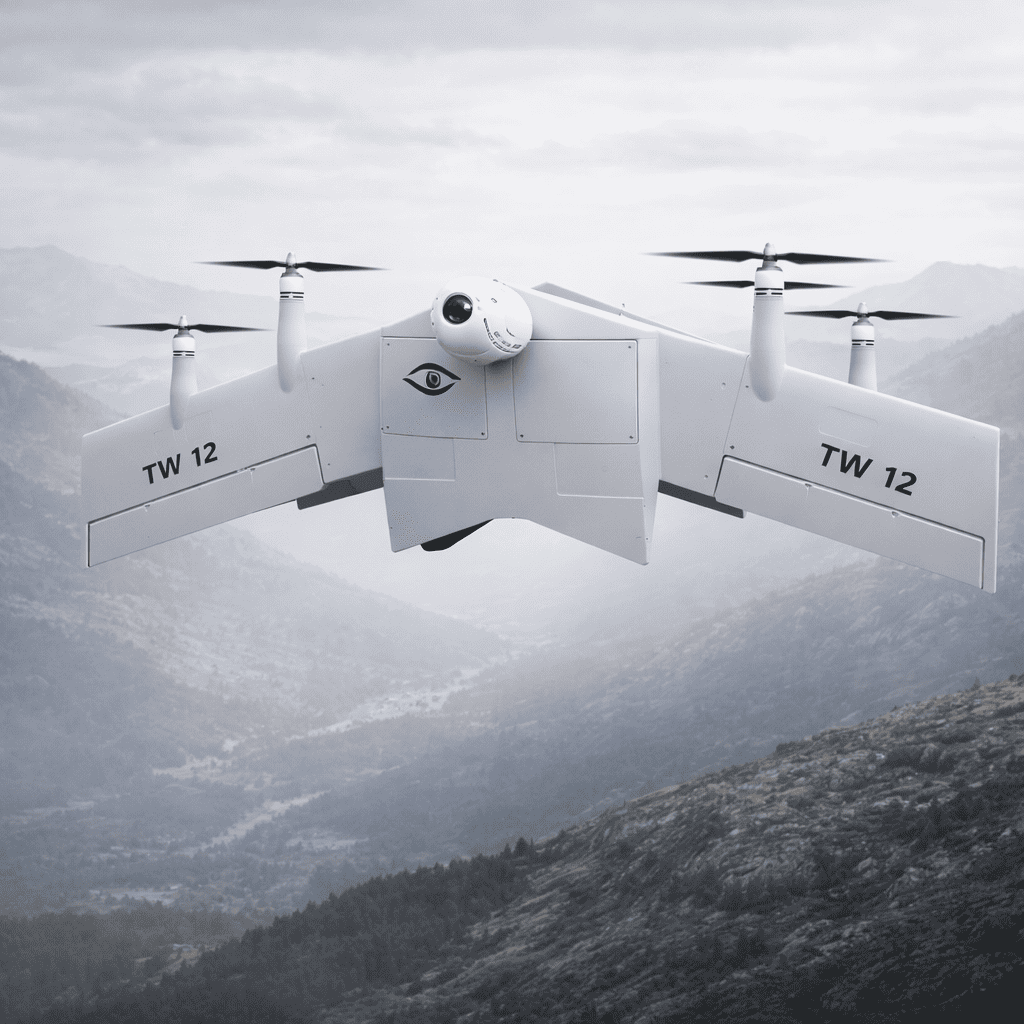
Think modular: lift system, cruise system, energy source, and control logic. Hybrid powertrain means mixing liquid fuel engines with electric motors or turbofans with electric boost. The trick is handing off between hover and cruise without carrying redundant hardware the whole trip. Key terms that matter here: lift-to-drag ratio, wing loading, propulsion system. Nail those and you chop wasted grams that add up real quick.
Where teams trip up — common mistakes
Most screw-ups are simple: over-spec the hover motors, under-optimize wing aerodynamics, and forget duty-cycle mapping for the hybrid system. Teams also stack safety margins by adding heavy structure instead of smarter thermal or control safeguards — that’s lazy weight. — Designers sometimes choose a single heavy fuel tank layout when distributed tanks could cut structural mass while improving CG control. Also, using the wrong propeller pitch for cruise kills efficiency and hikes fuel burn.
Practical fixes that actually move the needle
Apply a few clean moves and you’ll see measurable gains. First, set a target fuel-to-weight ratio early and tie design choices to that ceiling. Second, favor a power-split strategy: light electric for hover, compact internal combustion for cruise. Third, push the aerodynamics — tune the lift-to-drag ratio with modest winglets and optimized aspect ratio rather than brute force wing area. That keeps wing loading sane and improves endurance.
Trade-offs and real-world anchors
No free lunches: reducing hover mass can raise cruise drag if you slim structural elements too much. Test programs at Edwards Air Force Base and other flight-test sites show designers balance these by staging system handoffs and optimizing the control logic. Real test flights make a difference — it’s where numbers stop being theoretical and start being hard data. Use telemetry to monitor propulsion system transitions and keep an eye on payload capacity swings during power swaps.
Metrics that prove whether your design works
Measure these to know you’re not guessing: – Mission fuel-to-weight ratio (fuel mass divided by takeoff mass). – Hover energy fraction (percentage of mission energy used for vertical lift). – Cruise-specific fuel consumption adjusted for lift-to-drag ratio. Track those across flight profiles and iterate. If hover energy fraction stays above ~25–30% for long-range missions, redesign the lift distribution or rethink the hybrid split.
How to avoid rookie decisions and scale right
Start with a baseline design, then run sensitivity sweeps on wing loading and thrust-to-weight ratio. Keep the control electronics flexible so power maps can be updated without a hardware swap. Consider off-the-shelf hybrid modules from trusted vendors when prototyping — they speed tests and let you focus on airframe aero instead of inventing a whole propulsion stack. And use flight logs from comparable fixed-wing drone deployments to ground your assumptions.
Advisory — three golden rules before you commit
1) Lock a mission-weight budget first and defend it: every subsystem must buy its grams back in endurance or capability. 2) Prioritize clean aerodynamic gains over raw power increases; better lift-to-drag beats more thrust. 3) Validate powertrain handoffs with real flight tests early — simulation ain’t destiny. Final rule: design for telemetry — if you can’t measure it in flight, you can’t improve it.
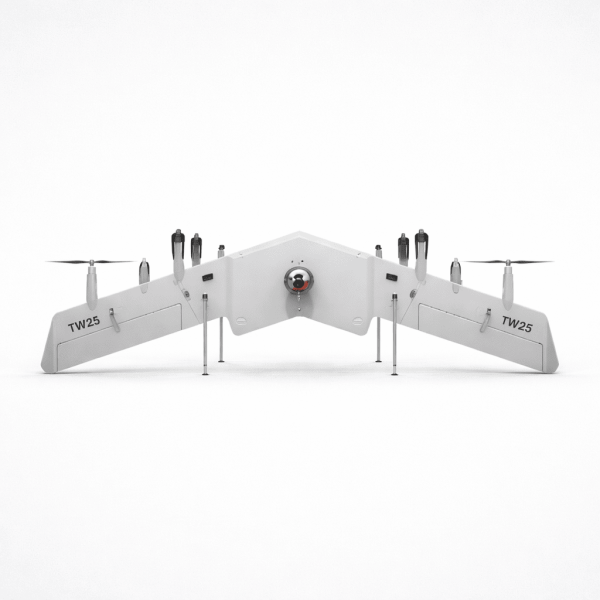
Military-grade insights matter when you want proven outcomes — that’s why real test ranges and operational logs are your best compass. — For practical design notes and up-to-date platform briefings, check the resources at Military Hub.