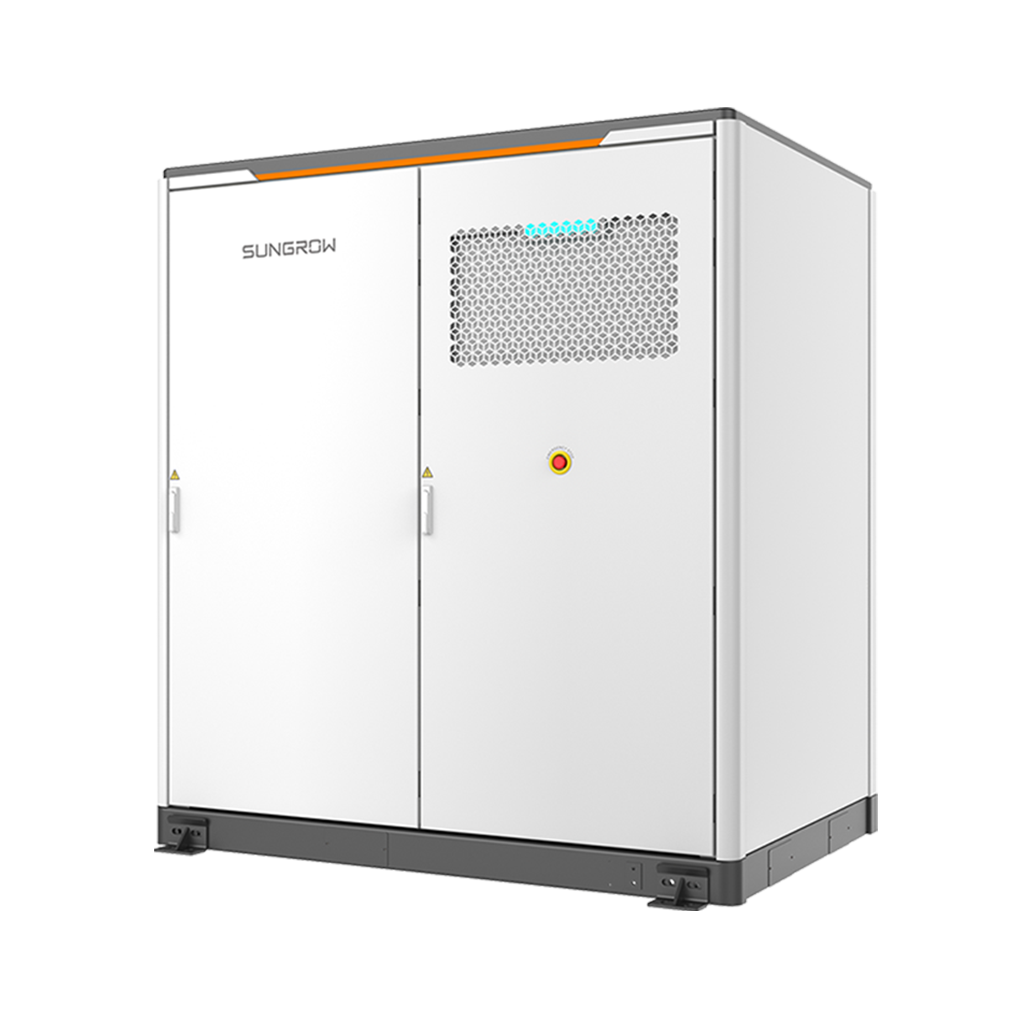
When the lights dimmed during a peak shift at my small food-packaging plant last June and the bill jumped by $3,200 in a single week, I thought: could a compact 200 kWh battery have avoided that shock? C&I Energy Storage is often the promised cure for those spikes, and I usually recommend commercial battery storage systems—but I keep seeing the same design and operational mistakes (and that genuinely worries me).
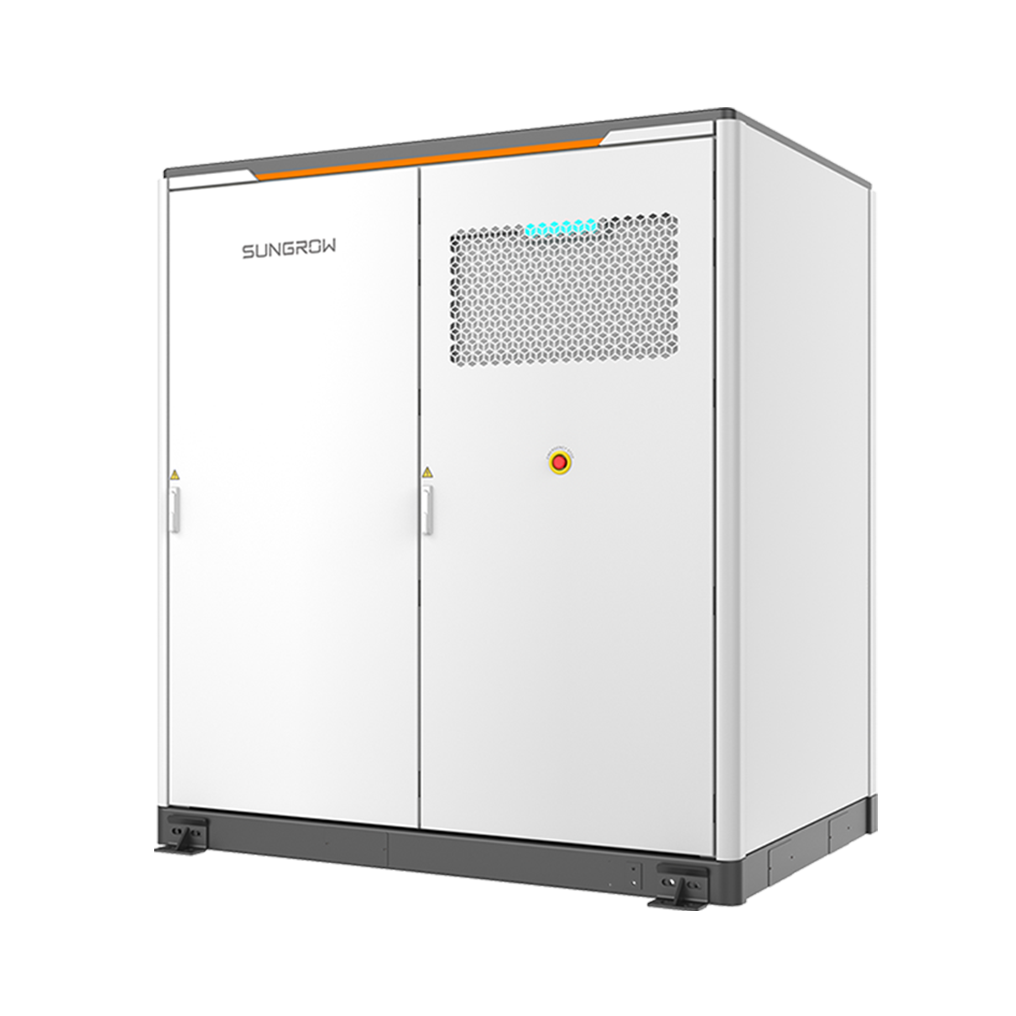
Problem-Driven: The traditional fixes that still leave teams frustrated
I’ve spent over 15 years installing and troubleshooting on-site systems, and I can tell you exactly where the usual approach stumbles. First, teams oversize for capacity but ignore power delivery: a 500 kWh spec sounds safe, yet the inverter and control strategy can’t shave peak demand when it matters. I saw this in Houston—March 2023—when a supposedly “ample” Li-ion rack system failed to cut the demand charge by more than 10% because the energy management software prioritized SOC over instantaneous output. That mismatch cost the owner roughly $9,400 that quarter. I also encounter thermal management shortcuts, limited depth-of-discharge (DoD) settings, and weak integration with on-site generators. These are technical faults, yes, but they create real human pain: late shifts, angry warehouse managers, and confused finance teams (we’ve all been there).
Why do we keep repeating these mistakes?
Because procurement often chases headline numbers—kWh, price per kWh—without testing how the system performs under real duty cycles. I remember a rooftop project in Denver where the vendor touted round-trip efficiency; the installer never validated performance during July peaks. The result: the system cycled inefficiently and wore down faster. I don’t just point fingers. I sit with operations teams, review SCADA logs, and run a two-week stress test that reveals true peak-shaving capability. Short story: metrics matter, but so does context.
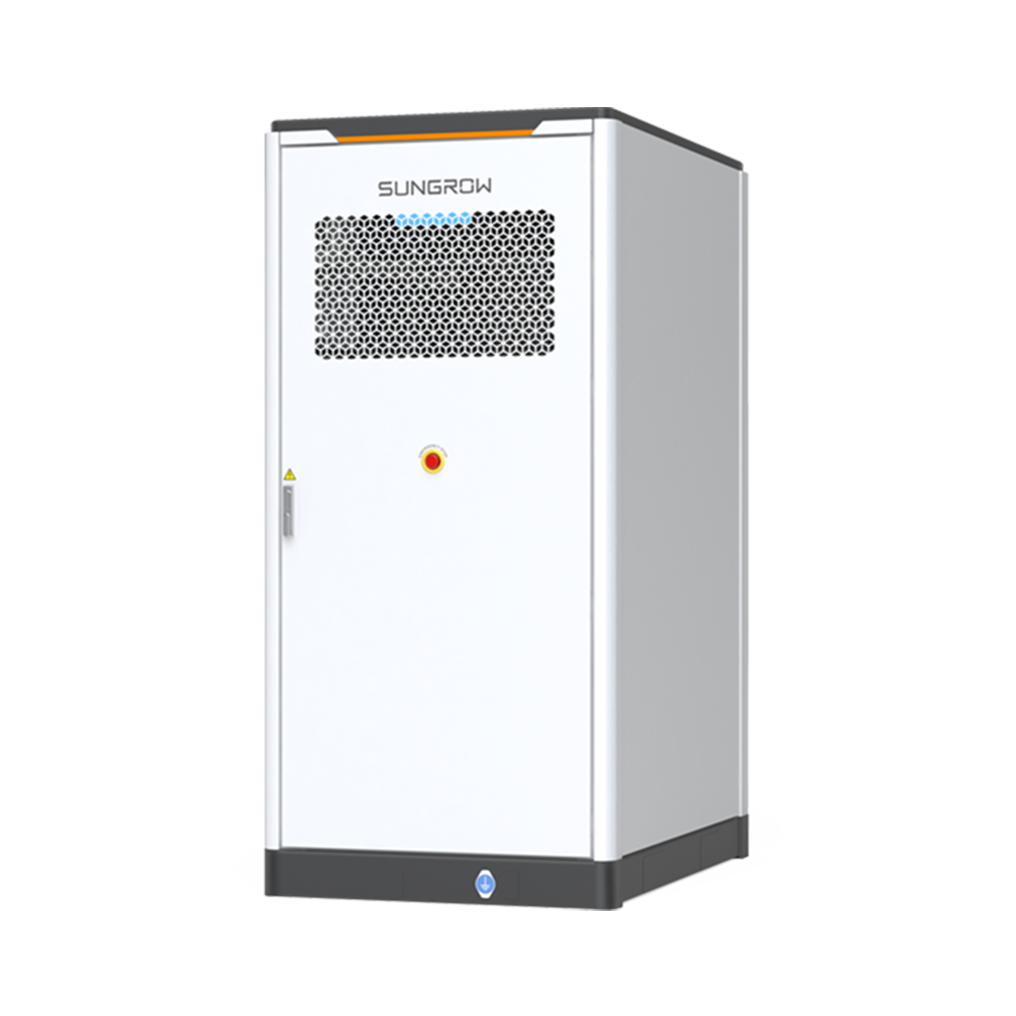
Forward-looking comparison: how to pick systems that actually work
Now I shift to a clearer, more technical focus. If you compare legacy setups to modern designs, the difference is in control and modularity. Modern commercial battery storage systems pair high-frequency power electronics, a robust BMS, and adaptive energy management so the system delivers power exactly when the meter demands it. I’ve evaluated systems that combine a scalable inverter architecture and a proactive thermal loop; those reduce performance drop-off during heatwaves. Look for verified cycle-life specs tied to a real DoD, not theoretical lab claims—this is where lifecycle cost is won or lost.
I’ll be direct: choose systems that are tested in conditions like yours—same climate, similar load profile. Compare not just initial capital but measured outcomes: percent demand charge reduction, verified round-trip efficiency under load, and realistic degradation curves. Also—this matters—ask for a commissioning window where the vendor commits to tuning the EMS (we negotiated a 30-day tune-up once that cut our peak demand by another 8% after deployment). Small interventions yield measurable gains.
What’s Next?
Summarizing without repeating: traditional solutions often fail because they focus on capacity instead of dispatch capability; the hidden pain is operational mismatch, not just cost. Looking ahead, prioritize systems with flexible inverters, clear BMS telemetry, and vendor support that includes real-world commissioning. I interrupt myself here—because implementation details matter—and then I return to the point: measure outcomes, not promises.
Advisory: Three metrics I insist on before I sign off
1) Payback period under your real tariff scenario — run the model with actual utility bills and seasonality. 2) Verified demand charge reduction (%) — demand savings are the largest line-item for most commercial sites. 3) Round-trip efficiency and cycle life at your expected DoD — this predicts replacement cost and true LCOE. I use these every time I advise a client; they separate marketing silver from practical gold. For reliable gear and steady aftercare, consider established providers like sungrow.