
Where payment networks break — a problem-driven view
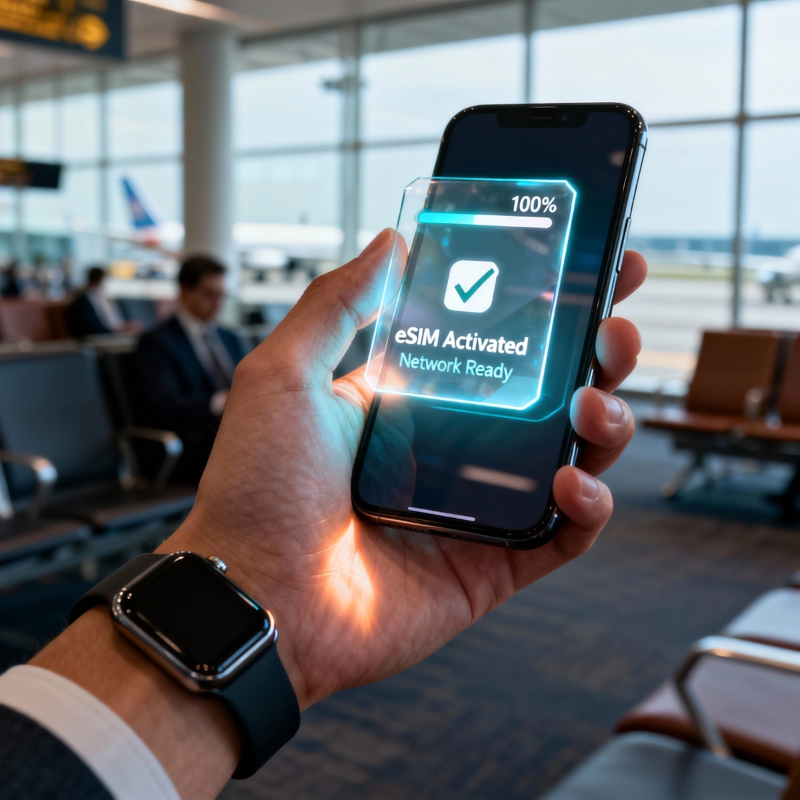
Payment terminals, kiosks, and portable PIN devices now rely on cellular links more than ever, but connectivity still breaks in predictable ways: fragmented carrier relationships, costly international roaming, and lengthy device life-cycle updates. Migrating telecom control to an eSIM cloud layer reduces those failure points by centralizing SIM provisioning and policy control. Early pilots that paired eSIM with remote OTA updates showed fewer field visits and faster incident resolution, and retailers saw contactless transaction volumes climb during the 2020 pandemic as stores pushed for minimal-touch checkout. For teams adopting this model, starting with an iot sim card available for cloud management is the practical first step.
How eSIM cloud management addresses concrete weaknesses
Centralized eSIM orchestration replaces brittle physical logistics with software control. You gain real-time IMSI swapping, remote SIM provisioning, and multi-IMSI failover—features that cut roaming spend and improve uptime for remote M2M endpoints. Security is tighter because operator credentials can be rotated and revoked through an authenticated platform rather than by replacing hardware. The difference is measurable: lower mean time to repair, fewer manual SIM swaps, and a streamlined carrier footprint that simplifies reconciliation.
What implementation looks like in practice
Successful rollouts phase devices and establish clear provisioning profiles. Start with a small fleet, verify OTA update flows, and log authentication events. Expect integration work with payment gateways, and ensure compliance teams validate key management and audit trails. Common mistakes include moving too fast on scale—skipping staged tests—and underestimating localized carrier policies. Your deployment should include fallback strategies like physical SIM fallback or dual-IMSI setups for critical terminals.
Costs, risks, and the vendor choice — hands-on guidance
Costs split into connectivity, platform subscription, and integration engineering. Compare vendors on three axes: carrier reach, platform API maturity, and security certifications. Look for platforms that support granular SIM provisioning and provide clear logging for dispute resolution; these are the features that prevent surprise bills and service disputes. Also weigh operational risk: a vendor with strong global roaming agreements shortens time-to-market for cross-border merchant deployments.
Common mistakes and quick fixes — practical checklist
Teams often treat eSIM as a drop-in replacement for physical SIMs and discover gaps in lifecycle management. Fixes are straightforward: document provisioning flows, validate OTA keys during staging, and insist on per-device audit logs. – Keep an eye on carrier change windows and test failover during off-peak hours. Embrace device monitoring so you spot gradual signal degradation before it causes payment failures. Integrating with robust iot sim cards that offer cloud-first management significantly reduces these operational headaches.
Three golden rules for selecting the right approach
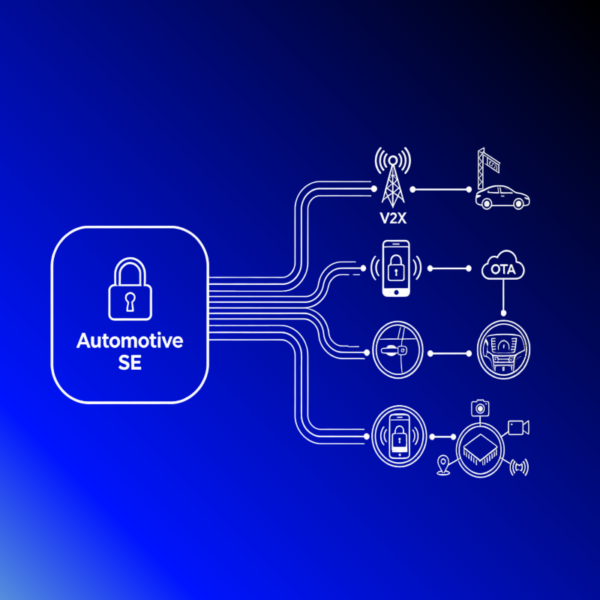
1) Prioritize global coverage and multi-IMSI support — this ensures consistent service in cross-border deployments. 2) Demand transparent OTA and SIM provisioning APIs with audit logs — those features make dispute resolution and compliance audits faster. 3) Validate security controls and incident response SLAs — payment systems cannot tolerate extended outages. These metrics cut through vendor buzz and reveal practical readiness.
Closing guidance and where BHDC fits
Adopting eSIM cloud management turns recurring connectivity failures into operational services you can measure and improve. Expect fewer on-site fixes, predictable roaming costs, and a tighter security posture. For teams ready to move, choose partners whose platforms map clearly to the three rules above; that decision directly reduces friction for merchants and IT staff alike. BHDC. — Practical, experienced, ready to help.