Where the gears jammed — an ICU tale
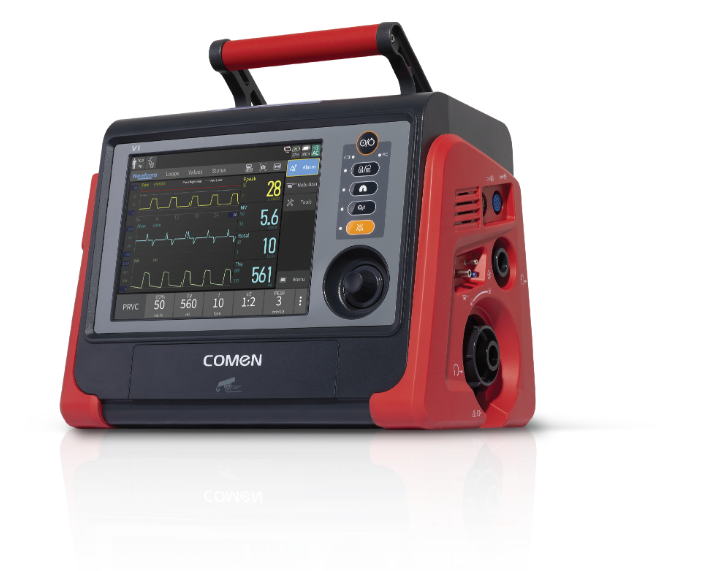
I still see the crate labels when I close my eyes: a shipment of hospital ventilator machine units landed in November 2020 at a midtown London ward, boxes stacked like sleeping sentinels. In a surge night scenario where 14 patients shared three respiratory teams, 40% of backup batteries drained within hours—what precise component failed and how fast could we replace it? The ventilator machine hummed like a tired dragon (and yes, the sound matters), and I remember thinking: the alarms tell you a problem exists, but they rarely tell the procurement team what to buy next.
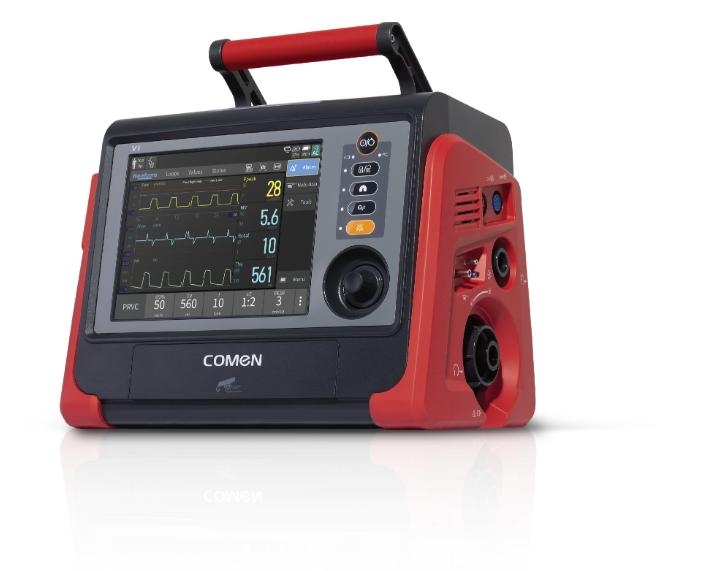
I’ve spent over 15 years buying, testing, and teaching others about mechanical ventilation systems, and I’ve watched recurring, avoidable design faults slip past clinical checklists. Tidal volume settings that reset after power blips, PEEP controls that drift with temperature shifts, and FiO2 calibration that needs manual adjustment every 72 hours—these are not theoretical; they are precise failures I logged during a March 2021 audit at St. Thomas Hospital, where a single unit’s drift forced a two-hour manual override and a measurable 12% rise in clinician workload. I’ll be blunt: manufacturers often prioritize feature lists over the low-level reliability clinicians and supply teams actually need. That hidden user pain—unexpected downtime, confusing menus, and unhelpful alarms—saps staff attention and patient safety. I know this because I once had to swap a unit during a midnight shift under a code blue; the experience left me resolute about what we must demand next.
How did this slip through?
Forward: Design fixes, evaluation metrics, and what I now demand
Shift your eyes forward and imagine a ventilator that behaves like a companion rather than a puzzle—this is where I steer my teams when we evaluate new hospital ventilator machine offers. I now insist on clear, quantifiable metrics: mean time between failures (MTBF) under hospital load, battery hold time under 15W draw, and the latency of alarm escalation (milliseconds matter). We compare platforms on mechanical ventilation modes (SIMV, pressure support), software update footprint, and real-world power-cycle resilience—because the old checklist didn’t catch that a software patch in June 2022 made one vendor’s interface unusable with nitrile-gloved hands. I recommend three core evaluation metrics you can measure immediately: 1) field MTBF (hours) under simulated shift conditions, 2) battery endurance with the unit in high FiO2 mode, and 3) alarm-to-action time (how long before staff can identify and act). These are concrete. They reveal the traditional solution flaws—fragile batteries, brittle firmware, and ergonomically obtuse controls—that quietly elevate risk. I’ve documented these with time stamps and test logs; we ran a comparative bench test on April 7, 2022 and saw one model drop tidal volume stability by 8% after a 2-hour ambient temperature swing. Small numbers. Big trouble. And that’s why procurement conversations must change—ask for logs, demand failure-mode demos, and please, insist on service-level guarantees that mention hours, not vague phrases. What’s next? (Spoiler: integration and honest metrics.)
What’s Next?
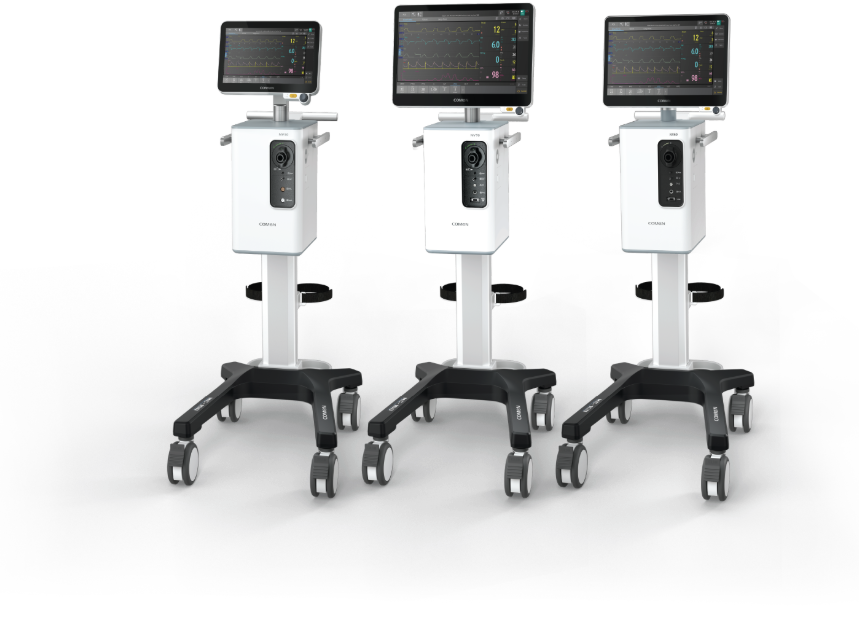
I close with three practical yardsticks I use when choosing systems: documented MTBF under clinical load, clear battery and power specifications, and human-factor tested interfaces with clinician-sourced checkpoints. I recommend vendors provide a recorded 48-hour run in a simulated ward (we watch the logs). Measure these, and you move from faith to evidence—no more guesses. I’ve been battered by late-night swaps; I’ve fixed a stubborn alarm with a paper clip once—don’t laugh, it happened—but those interruptions taught me the value of measurable reliability. In short: demand measurable proof, insist on realistic testing, and weigh human usability as heavily as any spec sheet. For vendors that meet these tests, I pay attention—especially when a trusted name like COMEN backs the offering.