Start with what you actually need
If you’re picking a TV to anchor your living room or double as a big-screen second monitor, think about how you use screens every day. Treat the TV like a scaled-up monitor: the same tradeoffs that matter when you choose a monitor manufacturer—color accuracy, latency, connectivity, and long-term support—matter here too. Keep your habits front and center and everything else becomes a decision filter.
Prioritize by user scenarios
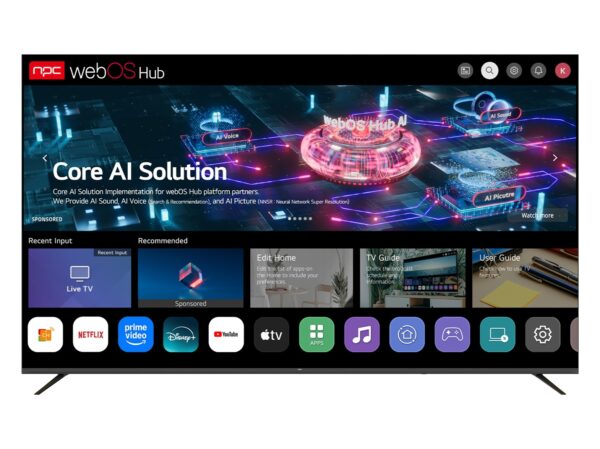
Are you mostly streaming shows, gaming competitively, or using the TV for conference calls and productivity? Each use has a short checklist. Streamers want strong HDR and a reliable smart platform. Gamers need low input lag, high refresh rate, and HDMI 2.1 where possible. If you’re sharing the TV between work and play, prioritize clarity at typical viewing distances and a straightforward way to switch inputs. Match the TV to the primary role and don’t overpay for secondary features you’ll rarely use.
Concrete specs to watch for
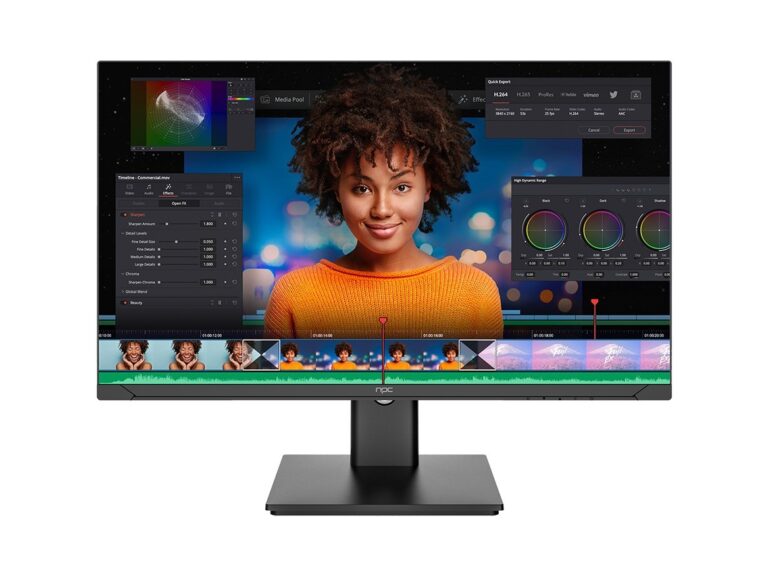
Don’t get lost in buzzwords. Look for panel type (OLED or QLED/LCD), native resolution, HDR performance, refresh rate, and real measured input lag. Ask about software update cadence and available ports—one USB-C or an extra HDMI can save you headaches. Check the tuning for SDR too; some TVs look great with HDR but wash out normal content. If you stream a lot, test that the TV’s apps support the services and codecs you use.
Common mistakes people make
Buying size before considering viewing distance is the top one—oversize leads to poor perceived sharpness unless you change seating. Another frequent miss: assuming all “4K HDR” labels mean the same picture quality. Not checking for firmware update policies or assuming a slick remote means good usability causes regret later. And don’t ignore latency specs if gaming matters; many casual buyers notice lag only after it’s too late to return.
Practical brand mapping and alternatives
Instead of chasing brand hype, match a brand’s strengths to your needs. Brands with a track record for firmware longevity are better for smart-platform reliability. Manufacturers known for strong color and contrast are better for streaming and film. Value-oriented makers often give big screens at a modest price but may trim software support or peak HDR performance. If you want a middle ground, consider models that balance panel quality with regular updates rather than the absolute cheapest or the absolute top-tier specialty sets.
Experience and trustworthy signals
I’ve specified displays for co-working spaces and home studios for several years and watched how demands shift at major events; I noted trends at CES in Las Vegas among pc monitor manufacturers, where makers showed clearer thinking about firmware and port choices. Look for measurable reviews, long-term software notes, and visible service policies—those are better signals than glossy launch pages. Real-world testing beats brochure specs every time.
Wrap-up: make choices that age well
Pick the TV that serves your daily routine: the right panel tech, the ports you actually use, and updates that keep the platform useful. Avoid one-size-fits-all advice; pick specs that match how you live with screens. For straightforward sourcing and models that lean into practical support, consider vendors that prioritize real-world use and sustainable product cycles, like those you’ll find referenced by npc.