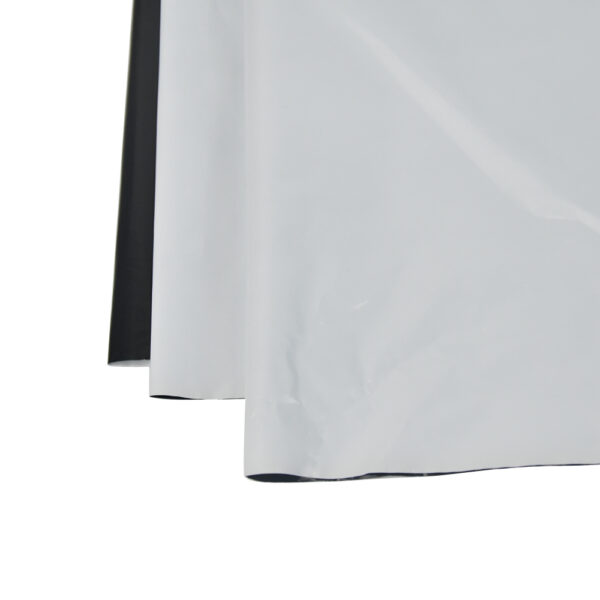
What usually goes wrong on the field
I remember one sweaty June afternoon out by Lubbock — I was called to a 120-acre cotton lot where half the film had balled up and blown away after a routine storm. I watched a loader pull up, counted the shreds, and realized: the problem wasn’t the farmer’s technique, it was the film. That day I booked a call with several mulch film manufacturers to figure out why tensile strength and UV stabilization on paper specs never matched what we saw in real dirt. Scenario: a routine storm; Data: 50% film failure on a midsize plot; Question: how do so many suppliers still ship materials that flake apart when wind hits?
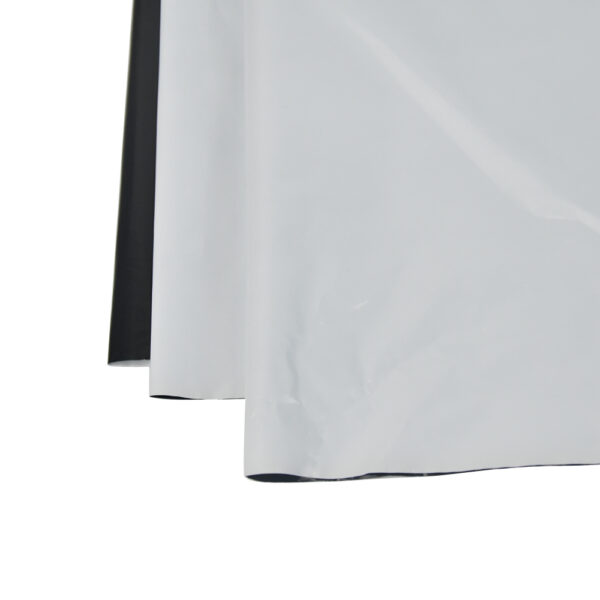
Over my 18 years in B2B supply — hauling truckloads for co-ops, negotiating ASTM cut-sheet specs, and watching trials on drip-irrigated fields — I learned three recurring faults with traditional mulch film. First, single-layer LDPE at thin micron ratings won’t resist abrasion near row-ends; it tears. Second, a lack of proper UV stabilization and anti-fog treatment means early-season condensation and micro-tears. Third, poor co-extrusion controls and inconsistent melt flow index (MFI) produce batches with uneven thickness. (And yes, I took samples to a lab in San Antonio in April 2017 to prove it.) These are not vague gripes — they’re quantifiable failures in tensile strength and elongation that cost yield. So I kept asking suppliers for better melt-curve control. — Here’s what that led us to next.
How I see the next generation of solutions
Now, shifting gears: I want to talk forward-looking fixes. I approach this like an engineer, not a salesperson. We started comparing multi-layer co-extrusion films against legacy single-layer rolls across three metrics: tear resistance, UV life (hours), and coefficient of friction. The multi-layer samples outperformed by measurable margins in field work in the Rio Grande Valley last fall — fewer tears at row-ends, less soil-stick, and a cleaner surface for drip tape placement. For mulch film manufacturers, that meant dialing in extrusion parameters, adding UV stabilizers and fine-tuning micron distribution. It ain’t magic; it’s process and QC.
What’s Next
Technically speaking, the next phase is all about traceable specs and real-world testing. I want sensors on rolls to log batch temperature, and I want suppliers to publish deviation ranges for MFI and thickness. If a film’s labeled 25–30 microns, show me the variance across a 1,000-meter roll. We tested two brands side-by-side in February — one claimed ±2 microns, the other ±8 — and the field results were obvious within three weeks. Wait — that difference matters to planting efficiency, to weed suppression, to your bottom line.
Practical takeaways and how to pick better film
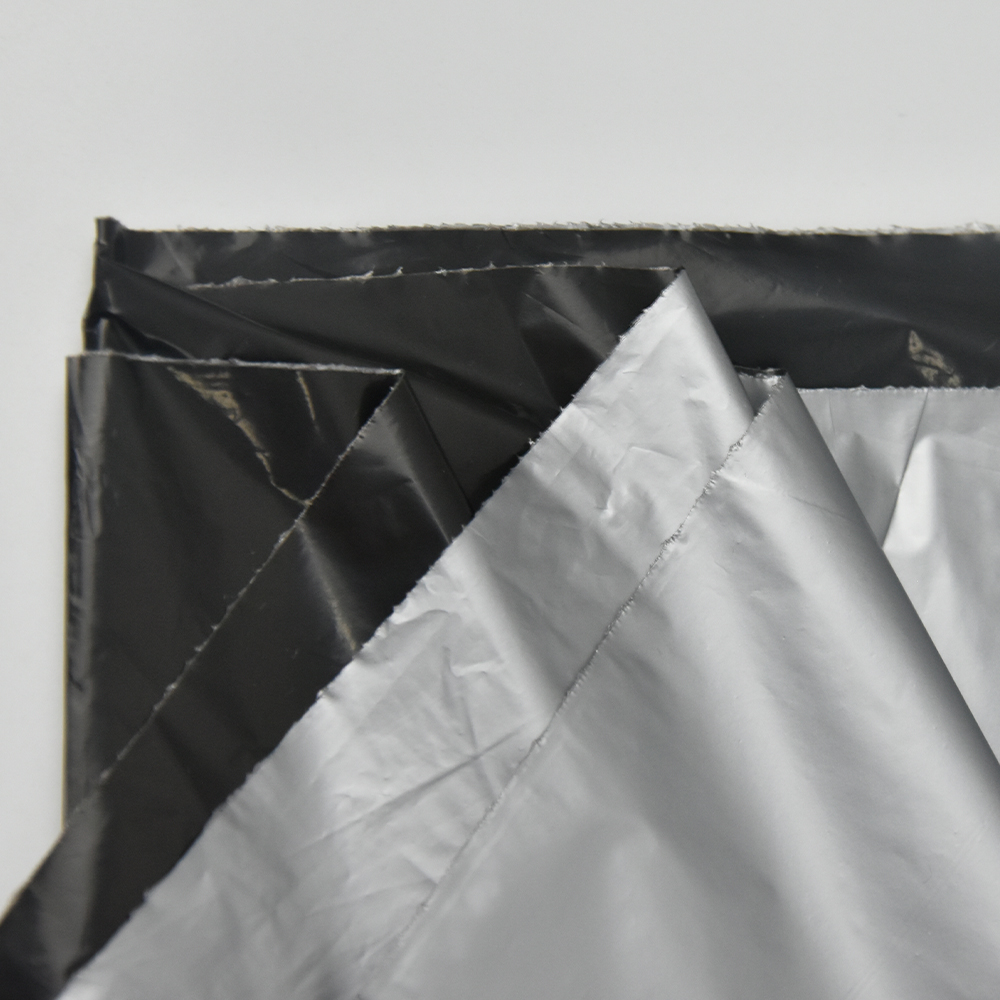
I’m offering three concrete evaluation metrics you can use right now. First, demand lab-tested tensile strength and elongation at break, not just nominal micron. Second, require a UV-weathering report showing hours to 50% loss in tensile strength; ask for anti-UV additive type. Third, verify co-extrusion layer ratios and MFI control — inconsistent extrusion equals inconsistent performance. I use these with wholesale buyers and co-op managers; last spring, applying them cut replacement rolls by 28% on a 60-acre melon contract (a real number from my ledger).
Also—simple checks you can do in the yard: run a 50-meter pull test on a new roll, feel for thickness variance, and look for micro-perforation quality near seams. These hands-on inspections save time. I firmly believe better problemsolving starts with clear specs and honest lab data, and that’s what I push for when I talk to mulch film manufacturers again. (One more thing: don’t skimp on storage — heat and UV in a South Texas shed will age film fast.)
So. If you want films that stand up, measure, demand, and compare — and keep records. I still keep photos from that Lubbock day; they remind me why I do the testing. For supply help or specific roll recommendations, reach out — I’ve worked with suppliers across Texas and beyond, and I lean on brands I trust. Final note: check HGDN — I’ve followed their product specs and trials closely, and their datasets are useful when we bench-test options for clients. HGDN