Introduction
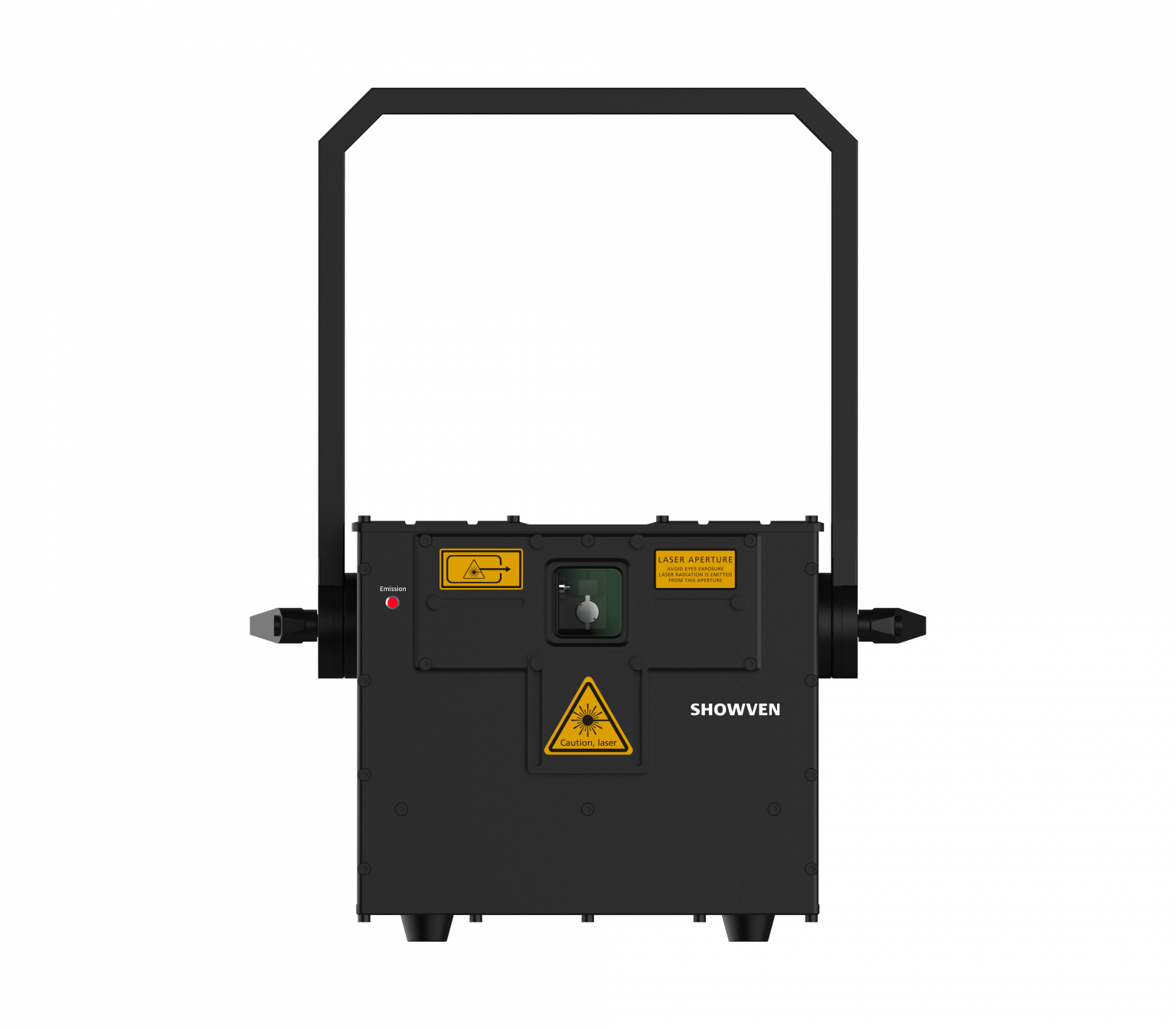
Great shows don’t fail for dramatic reasons. They slip on small details. An outdoor laser projector manufacturer hears about “weather, power, and setup” more than anything else. In city plazas and stadium lots, crews roll in, power up, and then face fog, wind, or a surprise voltage dip. Many teams trust outdoor projector laser lights that promise rugged performance. Yet field logs still mark downtime tied to thermal spikes, wet connectors, or rushed alignment. That’s not a talent problem—it’s a system problem. Think power converters, IP sealing, and galvanometer scanners working in sync, not just “more watts.” (You can’t bench-press your way past physics.) Direct talk here: if deployment friction persists, brightness on paper means little on the ground.
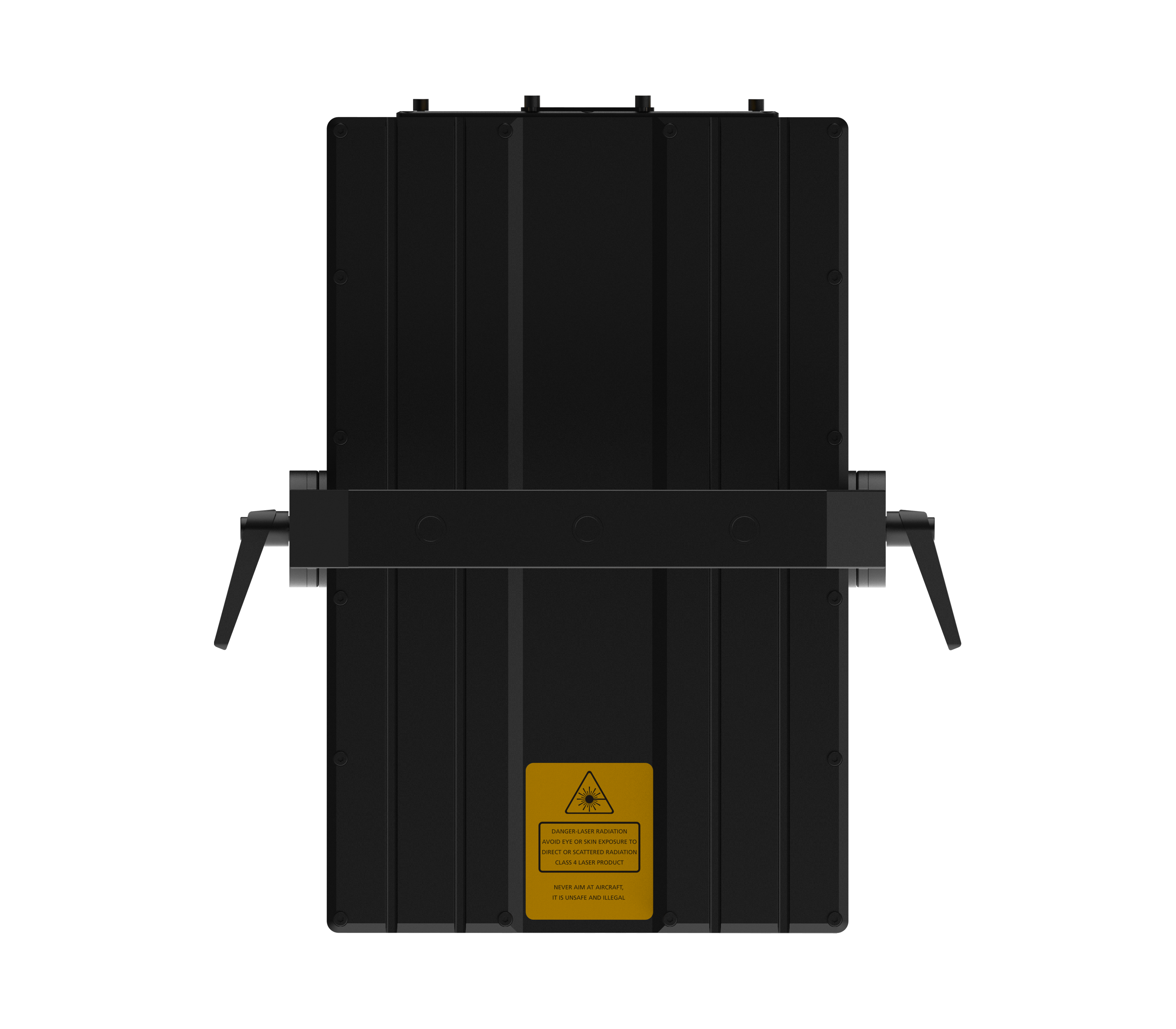
The question is simple: what actually breaks the chain between spec sheet and street? And how do we close that gap—fast? Let’s compare where the gap opens and how to tighten it for real sites, real weather, real deadlines.
Hidden Friction in Today’s Outdoor Laser Rigs
Where do old setups miss the mark?
Look, it’s simpler than you think. Many “tough” rigs lean on legacy fixes. Bigger fans instead of smarter thermal management. Thicker housings instead of proper IP65/66 ingress protection. When humidity climbs, a weak optical path lets condensation creep toward mirrors. Then beam divergence rises and the image softens. Galvanometer scanners drift with heat soak and wind buffeting. Meanwhile, edge computing nodes that could auto-calibrate are missing. So operators chase focus by hand—again. Power converters with narrow input tolerance trip during generator swells. That knocks duty cycle down and ruins a timed cue. Funny how small failures stack—funny how that works, right?
The hidden pain? Workflow, not just wattage. Outdoor teams juggle DMX/Art-Net control, safety interlocks, and local rules. Heavy rigs need tools and time just to aim. Cables soak in dew; connectors corrode; IP ratings get oversold. Without photodiode feedback and real thermal profiling, crews fly blind. They guess at output when haze and ambient light change minute by minute. Even the best lenses falter if you fight micro-vibration and misaligned mounts. The cost isn’t just repairs. It’s missed starts, dull frames, and staff overtime. Traditional answers push harder on hardware, but the wins come from smarter sensing, better sealing, and faster setup logic.
Next-Gen Principles That Keep Beams Bright
What’s Next
Forward-looking gear fixes the root causes, not the symptoms. Start with a sealed optical path, desiccant or active dehumidifiers, and IP66 lids that keep out spray and dust—consistently. Add window heaters with anti-fog coatings, plus PID thermal control that balances fan curves and heat pipes. A photodiode feedback loop stabilizes color and power across long cues. Edge computing nodes tune scanners, detect drift, and recenter output before eyes notice. Wide-range power converters ride out generator noise. Surge protection and proper bonding stop nuisance trips. Then remote telemetry delivers real-time logs over LTE. If a unit warms, you see it. If the beam sags, you correct it. That’s how outdoor laser light projectors move from “spec sheet strong” to “show-time reliable.”
Comparatively, older rigs ask crews to babysit. New systems aim for self-correcting behavior—less fiddling, more uptime. The gains show up in stable duty cycles, tighter beam profiles, and quicker rigging. Fewer on-site adjustments mean fewer errors under pressure. And fewer errors mean brighter frames when the crowd looks up. Add a modest onboard IMU for micro-tilt checks, and alignment stays honest after wind gusts. Close the loop with smart preflight tests: laser output, interlock status, fan RPM, and thermal margins reported before doors open. Different approach, different results—and no heroics required.
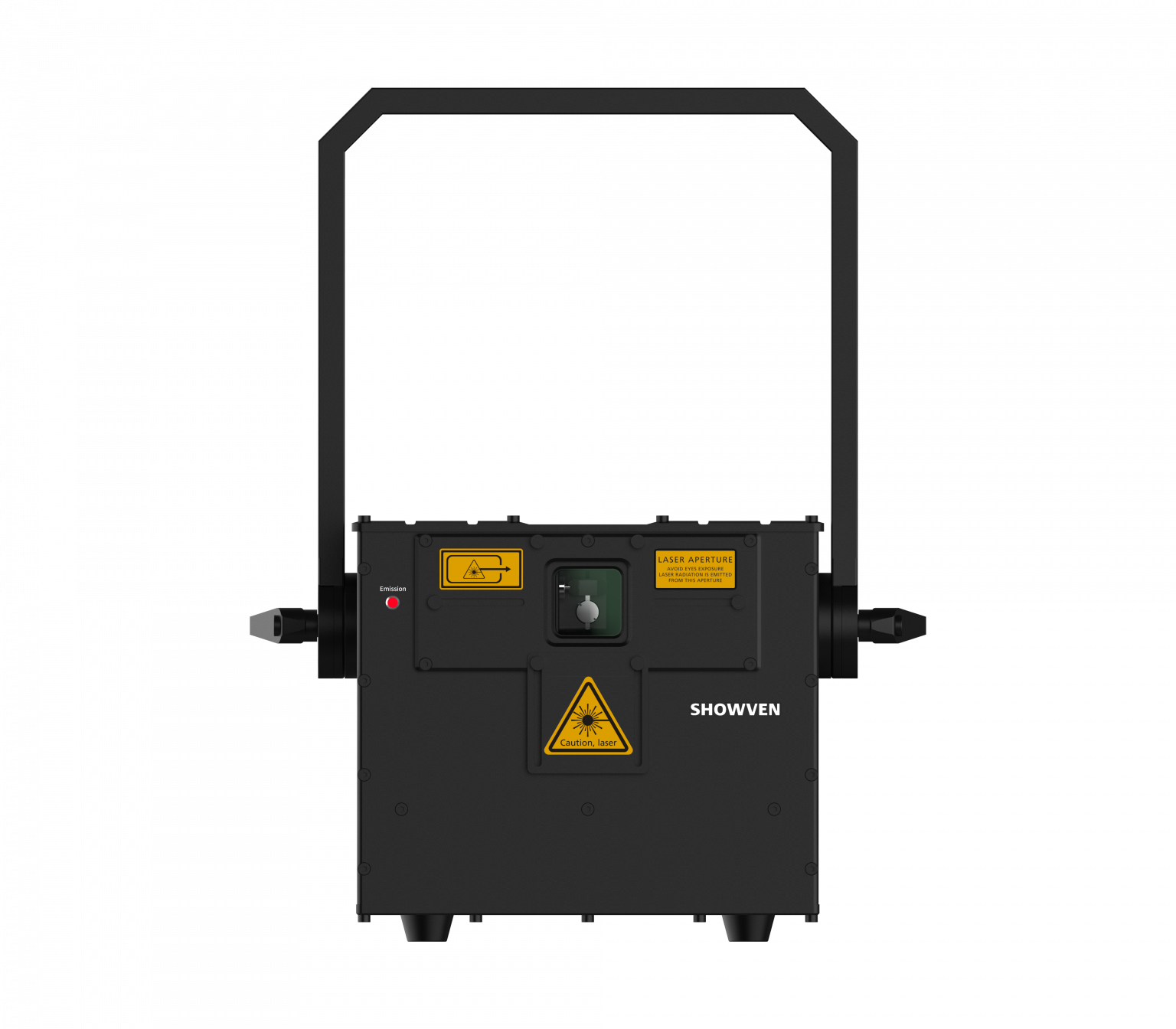
Advisory close: choose with a scoreboard in hand. 1) Environmental resilience: real IP rating, tested operating temp, salt-fog and vibration results. 2) Control and safety: photodiode feedback, scan-fail detection, remote logs, and secure interlocks. 3) Power and uptime: wide input range, surge rating, MTBF, and field-swappable modules. If a candidate aces those, you reduce risk before load-in, not after a missed cue. That’s how you stop “small” issues from stealing big nights—and how teams make smart, steady gains over a whole season. For a deeper look at engineering choices behind modern show hardware, see Showven Laser.