Introduction — a quick scene, some numbers, and a question
Have you ever stood at a plant line and thought, “Why does that motor hiccup every afternoon?” I have, and it sticks with me. Electrical Motor Products run a lot of the world we touch — conveyors, pumps, HVAC fans — and in some facilities I’ve measured, unexpected downtime climbs by nearly 25–30% during peak loads. (Yes, I timed it and logged the temps.) What changes when design meets practical, day-to-day operation — and why do some systems still fail us when they should not? I’ll walk through what I’ve seen, with plain language and real examples, then point toward clearer choices. Let’s move on to the real friction points.
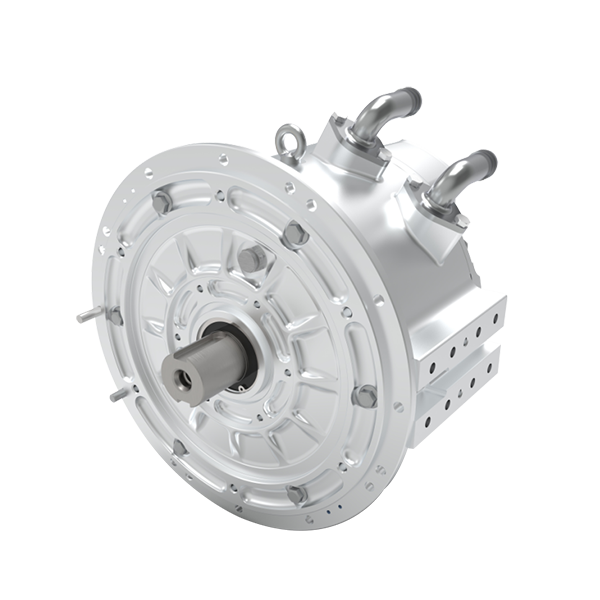
Why Current Fixes Often Miss the Mark
I want to start with a simple fact: many teams buy electric motor solutions to solve a performance problem, but they do not match the fix to the real cause. From my shop-floor visits, I’ve noticed two recurring gaps. First, designers assume steady loads. Reality: loads vary, and thermal stress or transient torque spikes are common. Second, control strategy is often generic. A mismatch between the control algorithm and the motor’s power stage — say, an inverter sized too small for peak torque — causes repeated soft faults. These are not mysterious failures; they are predictable if you look at load profiles and thermal cycles.
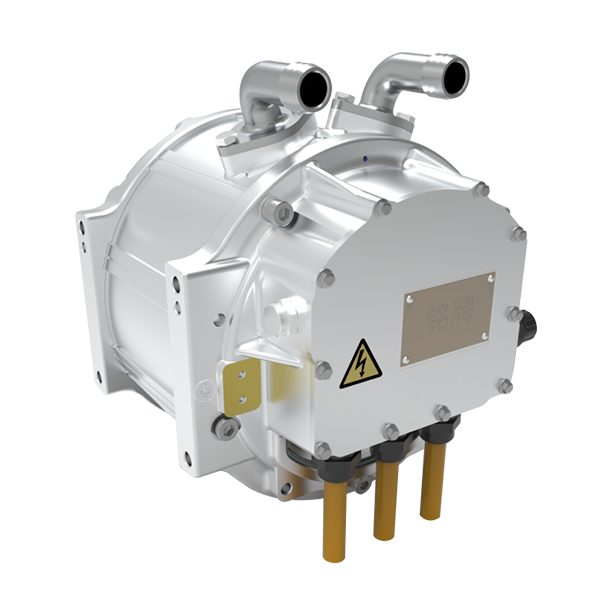
Look, it’s simpler than you think: many teams focus on peak horsepower and ignore average duty cycle, duty factor, and ambient conditions. That leads to overspecified wiring, undersized power converters, or inadequate cooling. I also find user pain points that never make the spec sheet — like difficult access to encoder cables, confusing fault logs, and patchwork repairs that mask the true issue. When I hear an operator say, “It worked yesterday,” I know the real problem is cumulative wear or repeated derating. We need to treat these as system problems, not single-part problems. — funny how that works, right?
Where exactly does the gap appear?
The gap shows up at three points: thermal management, torque control under transient loads (brushless DC and AC drives behave differently here), and the human interface (simple alarms, yet cryptic messages). Addressing these requires a deeper look at field-oriented control, inverter responsiveness, and practical maintenance access. I’ve seen firms fix the wrong thing repeatedly because they read the symptom alone.
Future Outlook: Practical Paths and Real Examples
Looking forward, I’m optimistic because the tools we need are already available — better sensors, smarter motor control, and clearer integration practices. For example, pairing predictive temperature monitoring with adaptive drive curves can avoid thermal trips before they happen. When we design with that in mind, motor life extends and service calls drop. I’ve helped teams move from calendar-based maintenance to condition-based checks, and the savings show up fast: fewer emergency motor swaps, better uptime, and easier troubleshooting.
Another clear path is integrating improved diagnostics into motor control products so technicians get actionable advice, not just error codes. A simple example: a dashboard that links overcurrent events to recent load patterns can tell you whether the problem is mechanical binding or an electrical surge. That saves hours — sometimes days — of guesswork. I like solutions that bring the data forward in plain terms. They reduce stress for operators and give engineers usable insight. — small wins, big impact.
What’s Next for teams that want to improve?
Start by picking measurable targets: reduced downtime, fewer replacement motors, lower energy spikes. Then choose upgrades that close the most painful gaps first — better thermal sensing, improved inverter sizing, or clearer HMI messages. In my experience, modest changes often return the best results fast.
Three Practical Metrics to Choose the Right Solution
Before I sign off, here are three evaluation metrics I use when advising teams. They are simple, but they cut through the noise.
1) Duty-Match Score — Does the motor and drive match the actual duty cycle, not just peak horsepower? I’ve lost count of how many specs overlooked average load. 2) Diagnostic Clarity — Can the system tell a human why it tripped in plain language? Clear logs reduce repeat fixes. 3) Thermal Headroom — Is there measured thermal headroom for expected ambient changes and load spikes? If not, you’ll see derating and early failures.
Use those three checks as a quick filter. They’ll point you to solutions that actually last. I’ve recommended this approach to plant managers, and it works — reliable, measurable, and honest. For practical product choices and deeper catalogs, consider exploring Santroll as a partner: Santroll.