Introduction — a quick scene, a fact, a nagging question
Ever stood at the end of a broiler shed just as lights come up and wondered why some flocks look calm while others scatter? In many barns, broiler house lighting sets the rhythm for birds’ activity and feed patterns, and that rhythm shapes growth, welfare and farm economics (you know the drill). Data from growers and field trials show consistent links between light timing, intensity and flock uniformity — but the results still vary wildly from house to house. So, why do two barns with the same fixtures and schedules produce such different outcomes? Let’s pull the cord on that question and move toward what’s really at work under the lamps.

Looking beneath the fixtures: why standard fixes often fall short
When I audit houses, I keep coming back to one thorny fact: swapping bulbs or raising wattage rarely solves the real problem. The market pushed a “one-size-fits-all” approach for years, and barns ended up with mismatched spectral distribution, poor dimming drivers and inconsistent photoperiod control. Those are not just buzzwords — they’re the daily pain points. For example, a feed-conversion improvement promised by a new lamp will vanish if the power converters cycle unpredictably or if the spectrum shifts as LEDs age. I’ve seen perfectly good schedules ruined by flicker from cheap drivers; birds react to tiny changes in lumen output.
Why do old fixes keep failing?
Because traditional solutions focus on light quantity, not the quality and control loop. You can bolt in high-lumen fixtures, but if you ignore spectral tuning, timer drift and the barn’s microclimate, the flock won’t respond as expected. Look, it’s simpler than you think — the lamp is only part of the story. You also need reliable dimming circuits, proper placement to avoid shadowing, and a control strategy that matches bird age and behavior. That mix is where performance lives, and where many installs leave room for frustration.
What comes next: principles for future-ready lighting systems
Moving forward, I believe the best results come from pairing thoughtful hardware with smarter control. With poultry led lighting that supports spectral tuning and stable dimming, you can design schedules that match bird biology rather than an electrician’s habit. New systems lean on sensors and edge computing nodes to keep light levels steady as conditions change — so you get repeatable outcomes, not surprises. They also use robust power converters to prevent flicker and extend lamp life. — funny how that works, right?
What practical gains should you expect?
In practice, that means fewer uneven birds at harvest, steadier feed intake across the flock, and lower maintenance calls. I’ve worked with farms that cut lighting-related downtimes by half simply by upgrading controllers and standardizing spectral profiles. The technical stuff—spectral distribution, dimming drivers, sensor calibration—matters, but the result is practical: calmer birds and more predictable performance. We don’t chase glamorous specs; we chase repeatable gains.
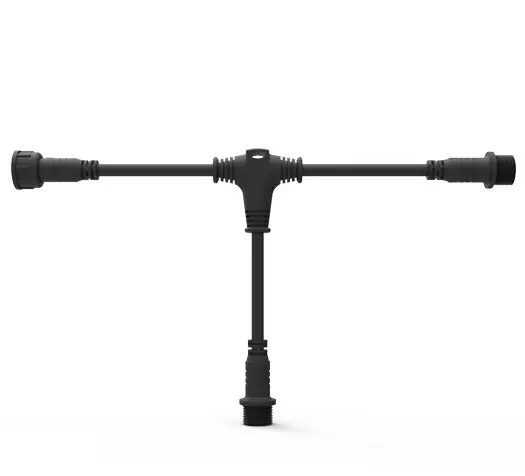
Three quick evaluation metrics before you buy
If you’re evaluating options, I suggest focusing on three metrics I use in every barn check: 1) Control fidelity — can the system hold target lux and spectrum throughout the day? 2) Electrical stability — are the power converters and dimming drivers certified to avoid flicker and voltage drift? 3) Data feedback — does the system provide usable logs or edge analytics so you can spot trends and adjust schedules? Those three tell you more than a flashy lumen number.
I’ve learned these lessons the hard way and I say them plainly because I want you to avoid the small mistakes that cost time and money. We can make lighting a predictable part of production, not a recurring headache. For practical tools and systems that follow these principles, check out szAMB.