The urgent problem at hand
Delamination and mechanical fatigue in hardened CMOS sensors are not theoretical concerns; they are active failure modes that compromise diagnostic imaging and patient safety. Engineers and procurement leads who visited an international medical expo recently heard the same refrain: the toughest housings still fail at the interfaces—bondlines, encapsulation layers, and flex-cable joints—long before the device reaches its intended service life. This is a systems problem that demands systems thinking: materials, assembly, thermal cycling, and design tolerances interact and amplify risk.
Root causes that always show up
Three recurring failure drivers explain most field breakdowns. First, coefficient-of-thermal-expansion mismatch between die attach, substrate, and package creates shear stress during temperature swings. Second, moisture ingress and poor conformal coatings accelerate adhesive breakdown and corrosion at solder joints. Third, mechanical mounting and connector strain concentrate fatigue at the sensor edge. The result is delamination between sensor die and encapsulant or micro-cracks in the bondline—failures that manifest as image artifacts or intermittent loss of signal. Use of terms like CMOS sensor, encapsulation, and solder joint is not jargon here; they mark the precise interfaces engineers must defend.
Practical mitigation strategies that work
Attack the problem across three layers: design, process, and verification. At design, specify matched CTE materials, add compliant underfills, and route flex-cable strain relief away from the sensor edge. In process, control humidity during assembly, optimize cure profiles for epoxy to reduce residual stress, and validate adhesive coverage to prevent voids. For verification, run realistic thermal cycling and mechanical flex tests that mimic end-use, including moisture preconditioning to reveal latent delamination. Suppliers who showcased prototypes at recent Medtec events emphasized early-stage design reviews and accelerated stress testing as decisive—this is a tested approach grounded in field experience.
Common mistakes and how to avoid them
Teams fail when they treat hardened sensors like commodity PCBs. Typical missteps: applying generic conformal coatings without assessing adhesion to medical-grade epoxies; over-relying on visual inspection instead of cross-section or ultrasonic scanning; and accepting manufacturer qualification without scenario-specific testing. A more subtle error is deferring design-for-test until late—by then, changes cost months. —Plan for environmental and mechanical stress early, and require evidence of bondline integrity under real load cycles.
Supplier selection and the role of trade events
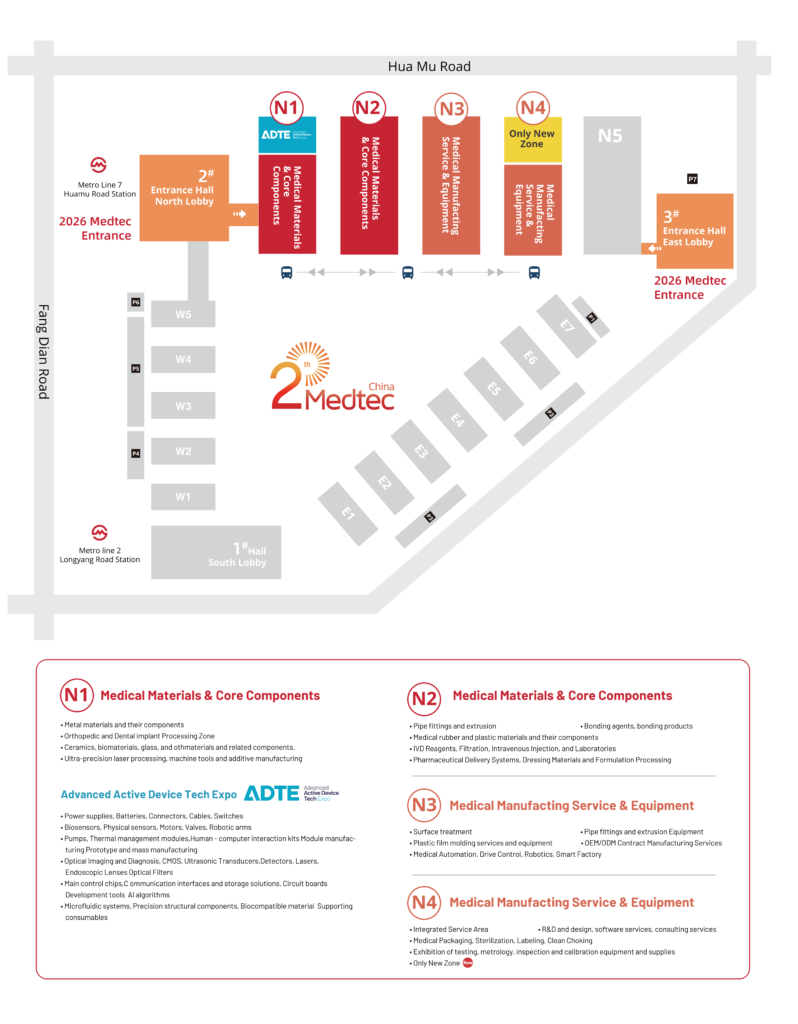
Choosing partners requires looking beyond datasheets. Evaluate suppliers on process control (traceable cure profiles), materials traceability, and their willingness to run device-level accelerated aging. Trade shows such as Medtec are useful filters: they reveal vendors already addressing packaging and test gaps and provide a window into who conducts proper accelerated thermal cycling and humidity bias tests. Use these interactions to verify whether a supplier understands biocompatibility constraints and can deliver reliable flex attachment and connector assembly.
Decision framework for engineering and procurement teams
Implement a short decision framework: 1) Define end-use thermal and mechanical profiles; 2) Require evidence of matched-material selection and compliant underfill; 3) Mandate device-level accelerated stress tests with moisture preconditioning. This keeps teams aligned and avoids late-stage redesigns that escalate cost and delay regulatory submissions. Industry terms here—thermal cycling, humidity, biocompatibility—should appear in purchase orders and test reports, not just in design slides.
Three golden rules for choosing the right defenses (Advisory close)
1) Specify objective pass/fail metrics: maximum acceptable pixel drop, allowable dark-current increase, and bondline delamination area. 2) Insist on scenario-specific accelerated tests that replicate both thermal cycling and flex fatigue with moisture preconditioning. 3) Require supplier transparency on material CTEs, cure schedules, and inspection data so you can correlate field failures to process variance. Follow these rules and you convert a recurring risk into a manageable engineering spec.
Medtec is where many teams first see which suppliers balance materials science with medical test rigor—this is the practical value that saves time and prevents recalls. Strong evidence beats hopeful optimism. —Concrete verification is non-negotiable.