Introduction: Old Roads, New Eyes
A warm street, late afternoon, and a low rumble rolls past the café—every head turns. The vintage cruiser still carries that hush of respect. Last year, search interest for classic silhouettes jumped by nearly a third, and rider age skewed younger by about four years; that is not a small wave, nhé. But what are people actually buying into—comfort, style, or the feeling of time slowed down? And are we comparing like for like when we match “retro” hype with real riding needs (đúng không)? The story gets interesting when we put old-school frames beside modern tuning and safety. So, let’s unpack the differences in a clean, side-by-side way—without the romance fogging the visor. Next, we’ll look under the paint to see where expectations meet the road.
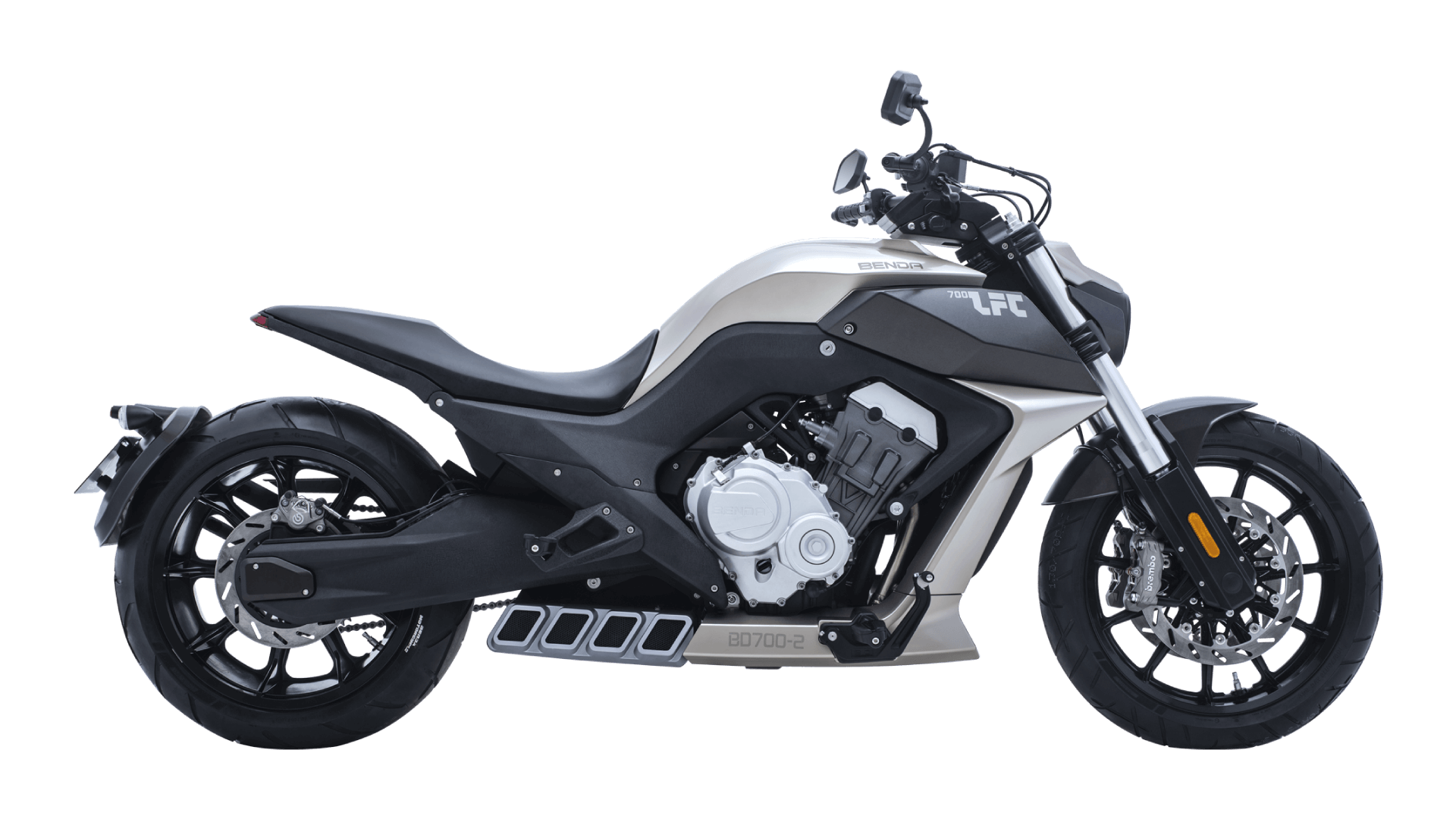
Hidden Friction: Where Bobber Dreams Meet Road Reality
Where do riders actually feel the pinch?
Let’s strip it to the frame, Technical style. A classic bobber motorcycle promises purity: low seat, narrow tank, clean lines. Look, it’s simpler than you think—and that simplicity is both gift and tax. The bobber stance, with altered rake and trail, can steady straight-line cruising but make tight urban turns feel heavier. Shorter suspension travel looks tidy yet passes more shock to your spine. Old-school carburetor jetting chases a vibe, while fuel injection mapping nails consistency across altitude and heat. Even the torque curve matters: if it peaks high, city riding becomes a stall-fest; if it’s flat from 2–4k rpm, you glide. And sprocket ratio choices? They decide whether you leap off the line or settle into calm highway cadence—funny how that works, right?
Traditional solutions carry sneaky flaws. Slim tires on laced rims are beautiful, but braking distance grows when brake bias and pad compound are not tuned for weight transfer. A rigid or near-rigid rear can sell “authentic,” yet repeated hits add fatigue across a long day. Low bars reduce wind lift but tilt your wrists; the wrong reach-seat-footpeg triangle strains shoulders and hips over time. Spec sheets rarely show these pain points. You feel them in traffic gaps, in U-turns, in hot stoplights where heat soak creeps up. Yes, nostalgia is strong—but ride dynamics, not chrome, decide if you keep the bike for years.
Forward Look: Keeping Soul, Adding Sense
What’s Next
Now we compare futures, not just frames. Modern principles can hold the bobber vibe without the old aches. Think ECU tuning that flattens low-end torque, a slip-assist clutch for friendlier takeoff, and ABS calibrated for short wheelbase and low center of gravity. Add proper compression and rebound damping, and small bumps stop feeling like insults. Even a lightweight swingarm improves unsprung mass balance. These are invisible wins—until a wet corner arrives. A well-sorted retro bobber motorcycle can carry vintage lines yet run safer and calmer, thanks to smarter engine mapping and brake modulation. And if we peer ahead—mini-IMUs, better heat shields, and quieter chain pitch through refined sprocket profiles—riders get comfort without losing the stripped-back look.

So how do we decide with clear eyes? Compare not paint, but outcomes. First, ergonomics: measure the fit triangle—seat height, bar reach, and peg position—so wrists and hips stay happy after an hour. Second, usable pull: aim for a torque-to-weight sweet spot at 2–4k rpm, where daily riding lives. Third, control stack: consistent ABS behavior and predictable front-rear brake bias shorten stops and steady your mind. If those three check out, the rest is joy. Side note—nostalgia is best when it doesn’t hurt. In the end, the lesson is simple: keep the soul, upgrade the stress points, and ride longer with fewer surprises. Shared knowledge, not hype, takes us there with BENDA.